You start eating healthier.
You begin exercising regularly.
The scale suddenly drops faster than expected.
At first, it feels exciting.
Maybe you lose:
- 2 kilos in the first week
- inches around your waist
- bloating from your stomach
Naturally, motivation becomes high.
You think:
“Finally, this is working!”
But then something frustrating happens.
After a few weeks:
- progress slows down
- the scale barely moves
- weight loss feels harder
Suddenly, panic starts.
You begin wondering:
- “Did my metabolism stop working?”
- “Why was weight loss fast before?”
- “Why is everything slowing down now?”
If this sounds familiar, you’re not alone.
This happens to almost everyone during a weight loss journey.
And honestly?
In many cases, it’s completely normal.
The good news is that slow progress does not automatically mean failure.
In fact, understanding why weight loss slows down can help you stay consistent instead of giving up too early.
Let’s break this down properly.
Why Weight Loss Happens Faster in the Beginning
The first few weeks of weight loss often feel dramatic.
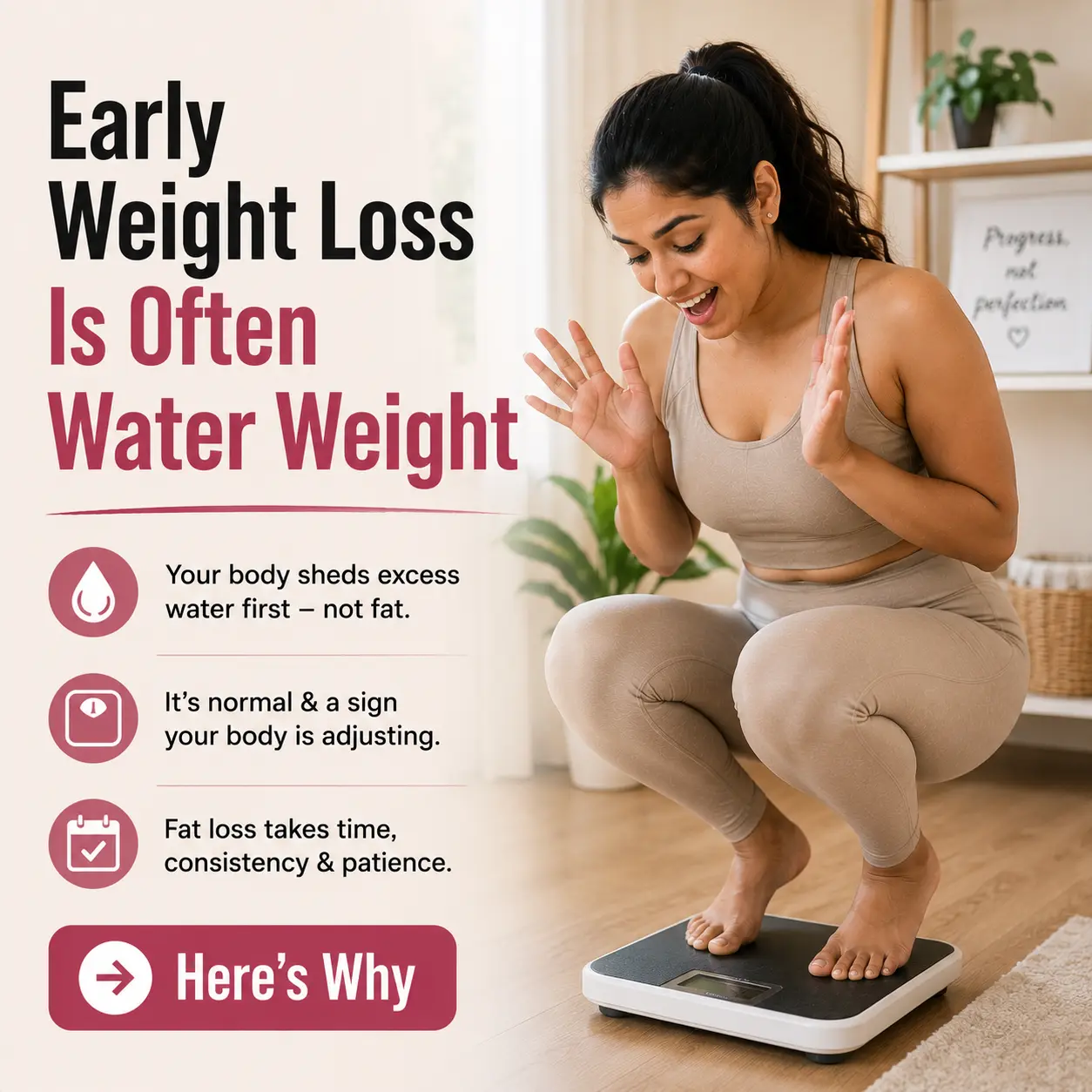
However, much of that early change is not pure body fat.
Water Weight Drops Quickly First
When people start:
- eating healthier
- reducing processed foods
- lowering sugar intake
- moving more
…the body often releases stored water weight quickly.
This is especially common if you previously consumed:
- high sodium foods
- packaged snacks
- sugary drinks
- excess carbohydrates
As a result, the scale drops rapidly at first.
That fast drop feels motivating, but it can create unrealistic expectations later.
According to the Mayo Clinic, early weight loss often includes water loss in addition to fat reduction.
Fat Loss Naturally Slows Over Time
This is one of the most important things beginners need to understand.
Your body adapts over time.
In the beginning:
- workouts feel new
- calorie burn increases quickly
- daily movement improves
However, after a few weeks, your body becomes more efficient.
That means:
- workouts feel easier
- calorie burn becomes slightly lower
- progress appears slower
This does not mean your body “stopped working.”
It simply means your body is adapting.
And honestly, adaptation is a normal part of fitness.
Your Body Needs Less Energy After Weight Loss
As body weight decreases, the body naturally requires fewer calories.
For example:
A heavier body burns more energy during:
- walking
- exercise
- daily movement
However, after losing weight, your body becomes lighter and more efficient.
As a result:
- calorie burn decreases slightly
- weight loss slows naturally
This is another reason early progress feels faster than later progress.
Weight Loss Is Not Linear
This is where many people become emotionally frustrated.
They expect the scale to:
- drop every day
- move consistently every week
- show constant progress
Real weight loss does not work that way.
Instead, progress usually looks like:
- fast weeks
- slow weeks
- plateaus
- fluctuations
Some weeks your body may:
- hold more water
- feel bloated
- recover from workouts
- experience hormonal changes
That’s completely normal.
👉 You may also like:
Why the Scale Lies About Your Fat Loss Progress
Hormones and Stress Affect Weight Loss Speed
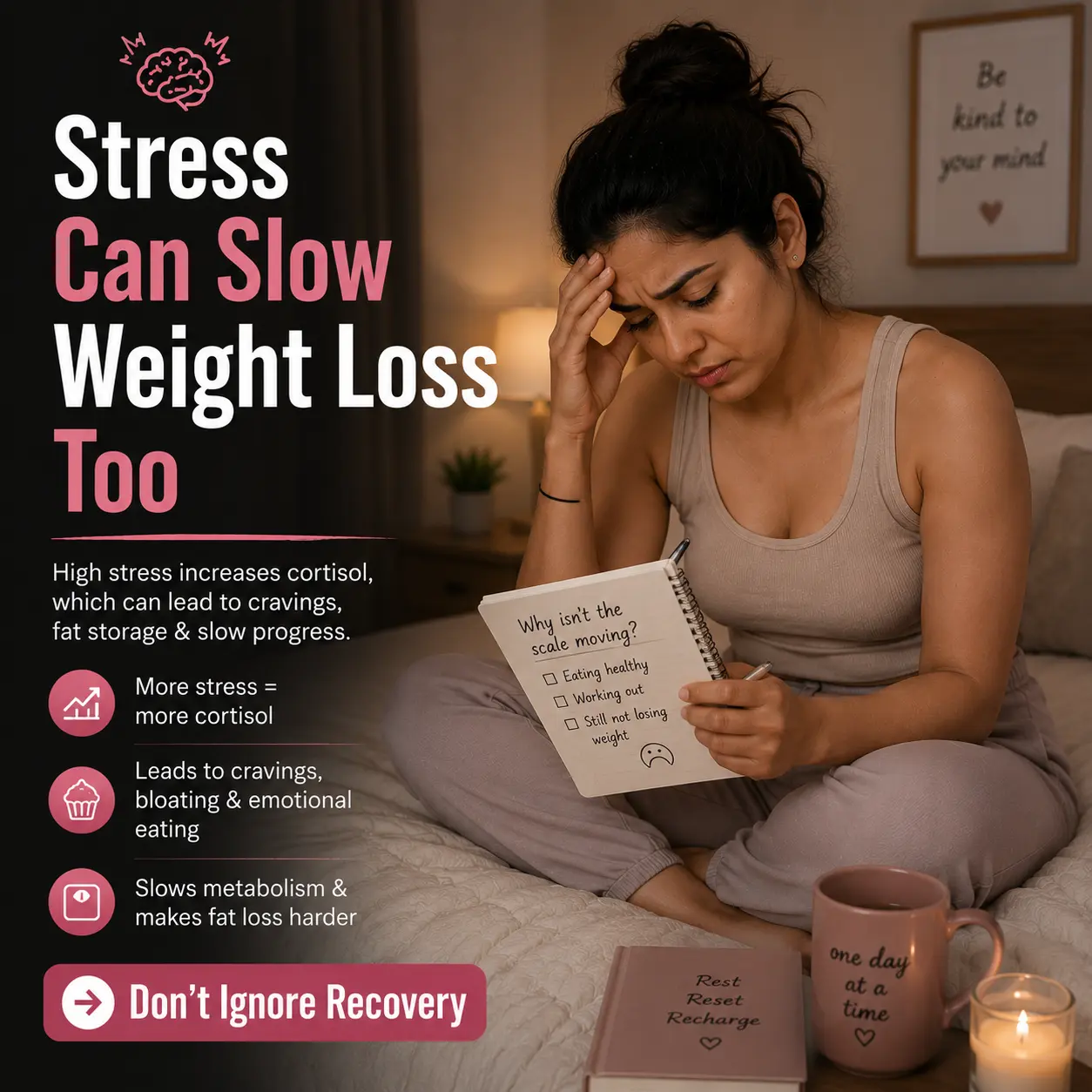
Stress affects much more than mood.
It can also affect:
- cravings
- sleep
- water retention
- recovery
- appetite
When stress stays high:
- cortisol levels increase
- emotional eating becomes easier
- motivation decreases
As a result, weight loss may feel slower.
Poor Sleep Makes Things Worse
Sleep also affects:
- hunger hormones
- recovery
- energy levels
Many people underestimate how much poor sleep impacts fat loss.
Harvard Medical School also explains that poor sleep may affect appetite regulation and weight management.
Doing Too Much Too Fast Can Backfire
This is another common mistake.
When progress slows, many people panic and try:
- starving themselves
- over-exercising
- removing entire food groups
- doing excessive cardio
Unfortunately, this often creates:
- burnout
- cravings
- stress
- inconsistency
Extreme plans rarely last long-term.
Sustainable Habits Work Better
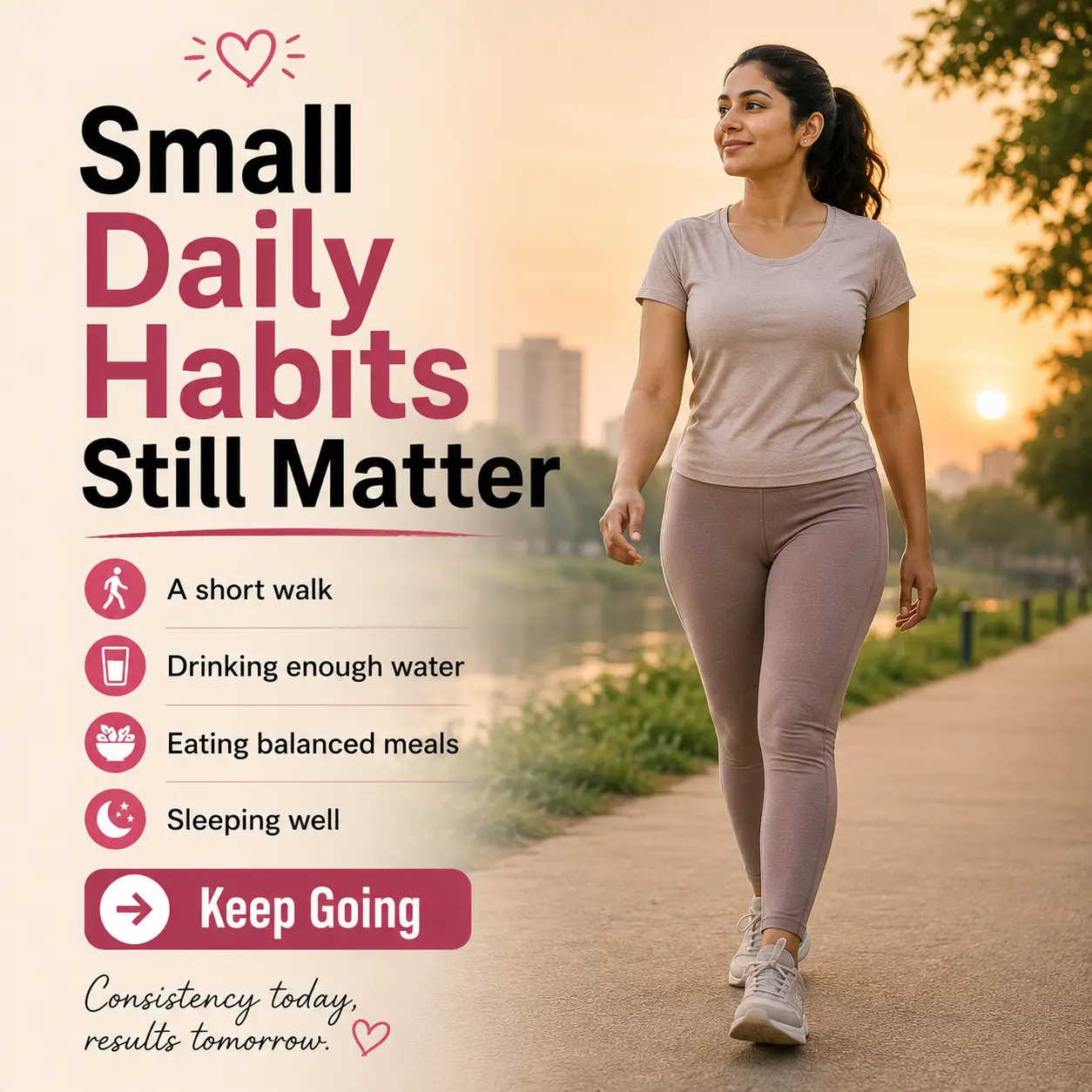
Instead of chasing fast results:
- focus on consistency
- improve sleep
- eat balanced meals
- move regularly
Slow progress is still progress.
Why Plateaus Happen During Weight Loss
A plateau means progress temporarily slows or pauses.
This can happen because:
- the body adapts
- routines become repetitive
- activity levels decrease
- calorie intake changes unintentionally
Plateaus are common.
They do not mean failure.
Signs You’re Still Making Progress
Even during plateaus, your body may still improve.
Look for:
- looser clothes
- better stamina
- improved strength
- reduced bloating
- healthier habits
The scale is not the only measurement that matters.
👉 You may also enjoy reading:
Fat Loss vs Weight Loss: Which One Should You Focus On?
Belly Fat Often Reduces More Slowly
This frustrates many women emotionally.
Sometimes:
- face fat reduces first
- arms become slimmer
- legs feel leaner
…but belly fat changes slowly.
That’s completely normal.
Hormones, stress, and genetics all affect where fat leaves the body first.
👉 Related read:
Why Belly Fat Is Harder to Lose for Women
Why Comparing Yourself to Others Is a Mistake
Social media creates unrealistic expectations.
You see:
- fast transformations
- “30-day results”
- dramatic before-after photos
However, you do not see:
- editing
- lighting
- unhealthy dieting
- unsustainable routines
Your body will lose weight differently than someone else’s body.
That’s normal.
The goal should not be:
“How fast can I lose weight?”
Instead, focus on:
“Can I build healthy habits I can maintain long-term?”
What Actually Helps When Weight Loss Slows Down
Now let’s focus on practical solutions.
1. Increase Daily Movement
Small movement matters more than many people realize.
Helpful habits include:
- walking after meals
- taking stairs
- standing more often
- treadmill walking
- stretching regularly
Consistency matters more than intensity.
👉 You may also like:
5 Walking Mistakes That Stop Weight Loss
2. Add Strength Training
Many beginners rely only on cardio.
However, strength training:
- supports metabolism
- preserves muscle
- improves body composition
And honestly, it’s one of the best long-term fat loss tools.
👉 You can also explore:
Low-Impact Home Workout for Weight Loss (No Jumping)
3. Stop Obsessing Over Daily Weight
Daily fluctuations are normal.
Instead:
- track weekly trends
- take progress photos
- measure inches
- focus on energy levels
This gives a more realistic view of progress.
4. Eat Enough Protein
Protein helps:
- control hunger
- improve fullness
- support recovery
- preserve muscle
Simple protein-rich foods include:
- paneer
- eggs
- lentils
- curd
- tofu
- sprouts
Balanced eating works better than extreme restriction.
👉 You may also read:
Healthy Indian Diet Plan for Weight Loss (7 Days)
5. Stay Patient Long Enough
This is the hardest part emotionally.
Most people quit:
- right before visible results
- during slow progress phases
- after temporary plateaus
Real transformation takes:
- consistency
- time
- realistic expectations
Not motivation for one week.
Signs Your Weight Loss Journey Is Still Working
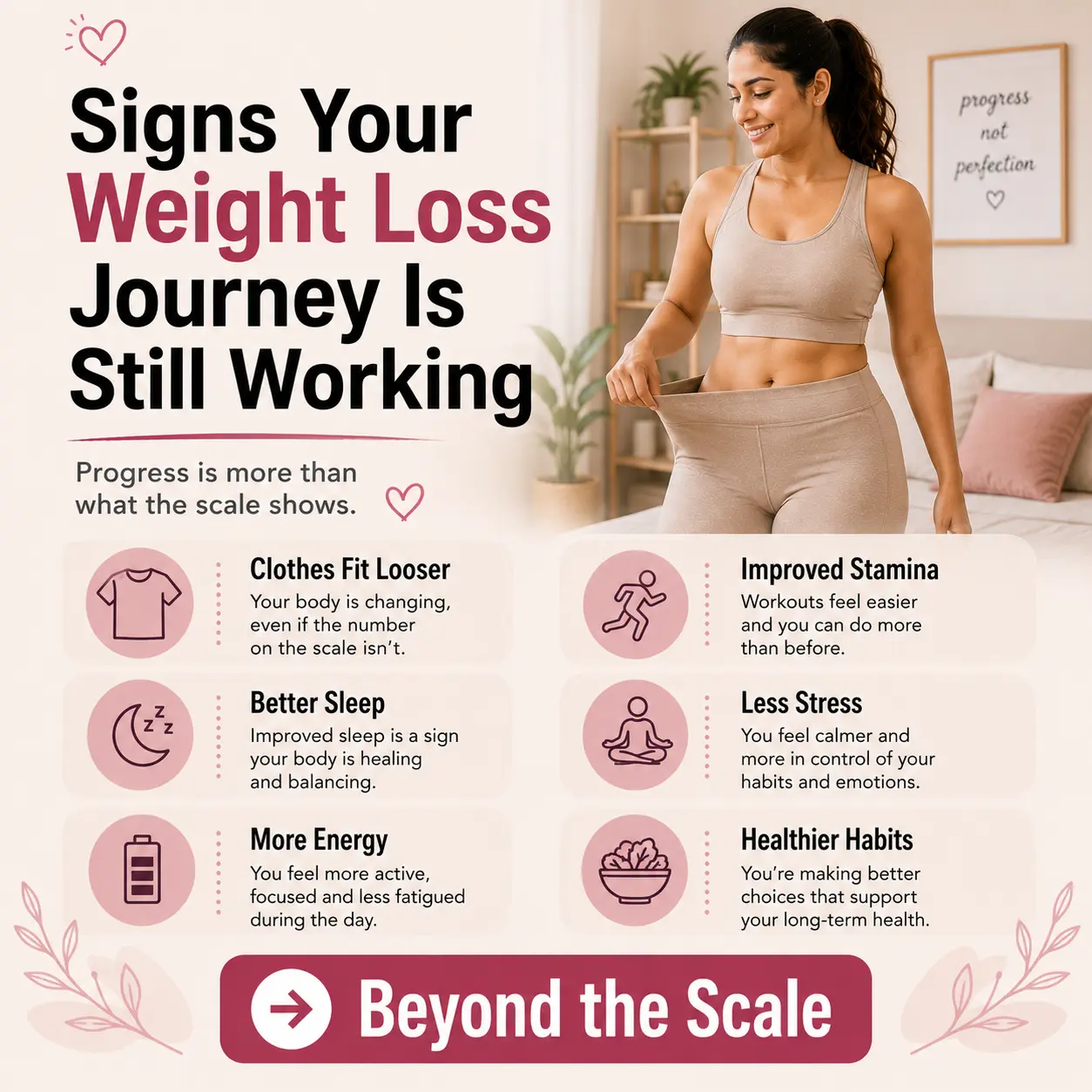
Even if the scale slows down, positive changes may still happen.
Look for:
- improved stamina
- better sleep
- reduced cravings
- increased confidence
- looser clothes
- healthier routines
These improvements matter too.
Frequently Asked Questions
Early weight loss often includes water weight along with fat loss, which makes progress feel faster initially.
Yes. Sustainable fat loss usually slows over time as the body adapts.
Temporary plateaus can happen because of stress, water retention, routine adaptation, or hormonal fluctuations.
Yes. Stress may affect cravings, sleep, hormones, and water retention.
Increasing daily movement, improving sleep, adding strength training, and staying consistent may help support progress.
Final Thoughts
Fast early weight loss feels exciting.
However, slower progress later is completely normal.
Your body is adapting, changing, and becoming more efficient over time.
That does not mean your journey has failed.
Instead of chasing dramatic results:
- focus on sustainable habits
- move consistently
- eat balanced meals
- stay patient
Because long-term progress is usually slower than social media promises — but it’s also healthier and far more realistic.

