

Many people believe they need intense workouts, expensive gym memberships, or complicated fitness routines to lose weight. As a result, they often overlook one of the simplest and most effective forms of exercise available: walking.
If you’ve ever wondered whether walking alone can help you lose weight, the answer is yes. In fact, walking is one of the most sustainable ways to burn calories, improve overall health, and support long-term fat loss.
The best part is that walking is suitable for almost everyone. Whether you’re a beginner, returning to exercise after a long break, or simply looking for a realistic fitness habit, walking can fit easily into your daily routine.
Let’s explore why walking works, how it helps with weight loss, and how you can make the most of it.
Can Walking Really Help You Lose Weight?

Yes, walking can absolutely help you lose weight.
Weight loss happens when you consistently burn more calories than you consume. This is known as a calorie deficit.
While walking may not burn as many calories as high-intensity workouts, it has one major advantage: consistency.
Many people quit intense workout programs after a few weeks. However, walking is easy to maintain for months and even years. Therefore, the calories burned through regular walking often add up significantly over time.
For example:
A 30-minute walk may burn 120–200 calories.
A 60-minute walk may burn 250–400 calories.
Daily walking can create a meaningful calorie deficit over weeks and months.
As a result, walking can contribute to steady and sustainable weight loss.
According to the CDC Benefits of Physical Activity, regular physical activity such as walking can help improve overall health, support weight management, and reduce the risk of chronic diseases.
Why Walking Is Easier to Maintain Than Intense Exercise
One of the biggest challenges with weight loss is staying consistent.
Many people start with motivation. However, motivation often fades. When workouts feel exhausting or difficult, it’s easy to skip them.
Walking is different.
Walking:
Requires no special skills
Doesn’t need expensive equipment
Can be done almost anywhere
Puts less stress on joints
Feels manageable for beginners
Because walking feels easier, people are more likely to continue doing it regularly.
And consistency is often more important than intensity.
👉 Related Reading:
How Walking Burns Calories
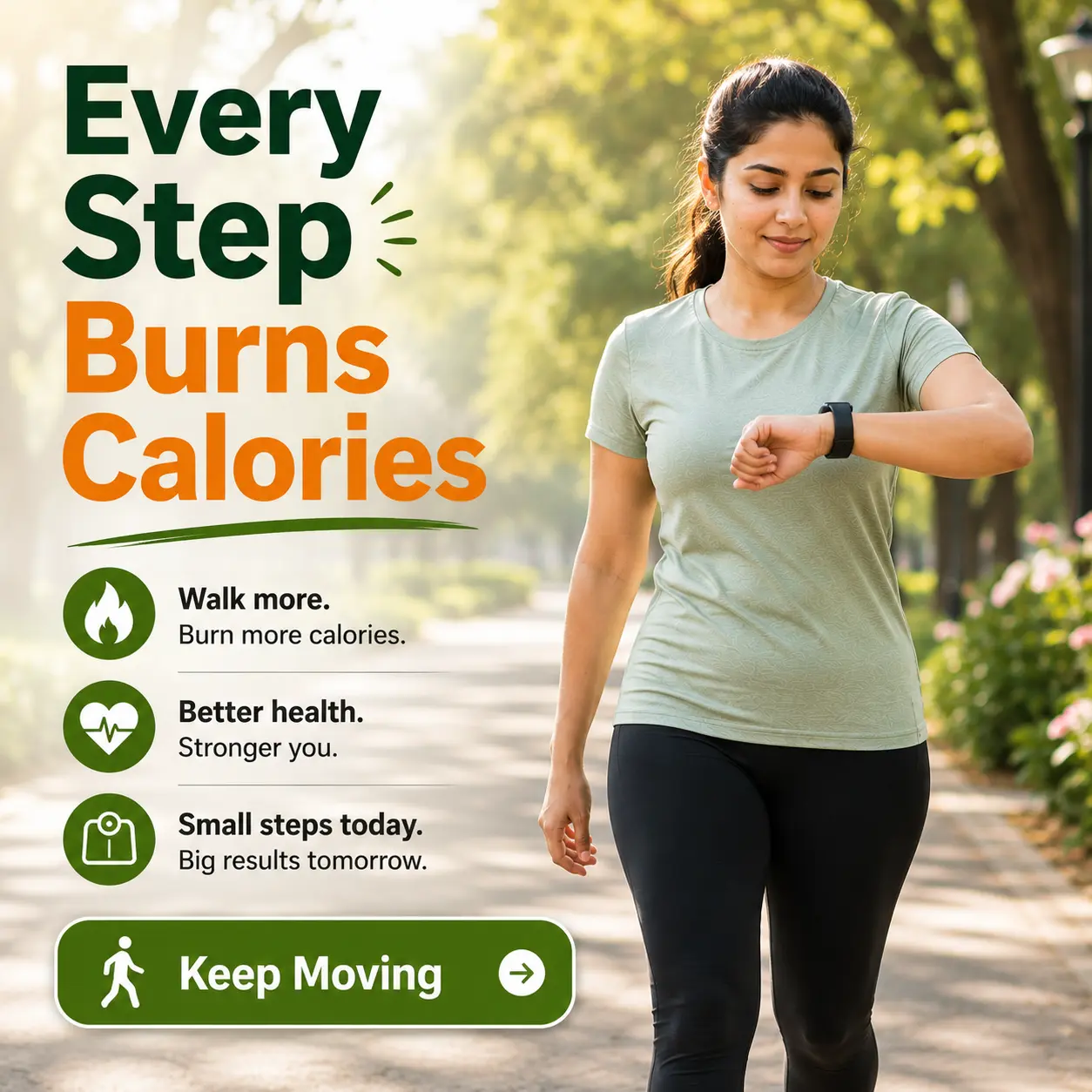
Every movement requires energy.
When you walk, your body uses calories to power your muscles, maintain posture, and keep you moving forward.
The number of calories burned depends on:
Body weight
Walking speed
Walking duration
Terrain
Incline
Generally speaking, heavier individuals burn more calories because their bodies require more energy to move.
Walking uphill or increasing your pace can also increase calorie burn.
Although walking burns calories gradually, those calories accumulate over time.
That’s why a daily walking habit can make a significant difference.
Walking Supports Fat Loss Without Extreme Stress
Many people focus only on weight loss. However, fat loss is often a better goal.
Extreme workouts can sometimes increase stress, fatigue, and recovery demands.
Walking offers a more balanced approach.
Benefits include:
Lower stress on the body
Better recovery
Improved circulation
Reduced risk of injury
Sustainable daily movement
Because of this, walking is especially helpful for beginners and women who are building healthier habits.
👉 Related Reading:
Walking Helps Control Appetite
Many people are surprised to learn that intense workouts can increase hunger.
In contrast, moderate activities such as walking may be easier to balance with healthy eating habits.
Walking can:
Reduce stress-related eating
Improve mood
Encourage healthier choices
Support consistent routines
While walking isn’t a magic solution, it can become part of a lifestyle that supports long-term weight management.
👉 Related Reading:
Walking Improves Metabolic Health
Weight loss isn’t the only benefit.
Walking can also improve:
Blood sugar regulation
Heart health
Blood circulation
Insulin sensitivity
Energy levels
These improvements support overall health and make it easier to maintain healthy habits.
According to the World Health Organization, regular physical activity helps reduce the risk of numerous chronic diseases and supports overall well-being.
How Many Steps Do You Need Per Day?
Many people aim for 10,000 steps per day.
However, you don’t need to hit 10,000 steps immediately.
If you’re currently inactive:
Start with 4,000–5,000 steps
Gradually increase each week
Focus on consistency
Even moderate increases in daily activity can provide meaningful health benefits.
The best step goal is the one you can maintain consistently.
Walking vs Running for Weight Loss
Running burns more calories per minute.
However, that doesn’t automatically make it better.
Walking offers:
| Walking | Running |
|---|---|
| Beginner friendly | Higher impact |
| Lower injury risk | Higher recovery needs |
| Easier consistency | More demanding |
| Less fatigue | Greater intensity |
Many people successfully lose weight through walking because they can stick with it long term.
Remember, the best exercise is the one you can continue doing.
Best Times to Walk for Weight Loss
The best time is simply the time you’ll do consistently.
However, some people find these options helpful:
Morning Walks
Benefits:
Boost energy
Create routine
Improve consistency
After-Meal Walks
Benefits:
Support digestion
Help regulate blood sugar
Increase daily activity
Evening Walks
Benefits:
Reduce stress
Improve mood
Help unwind after work
Choose the option that fits your lifestyle.
Simple Walking Plan for Beginners
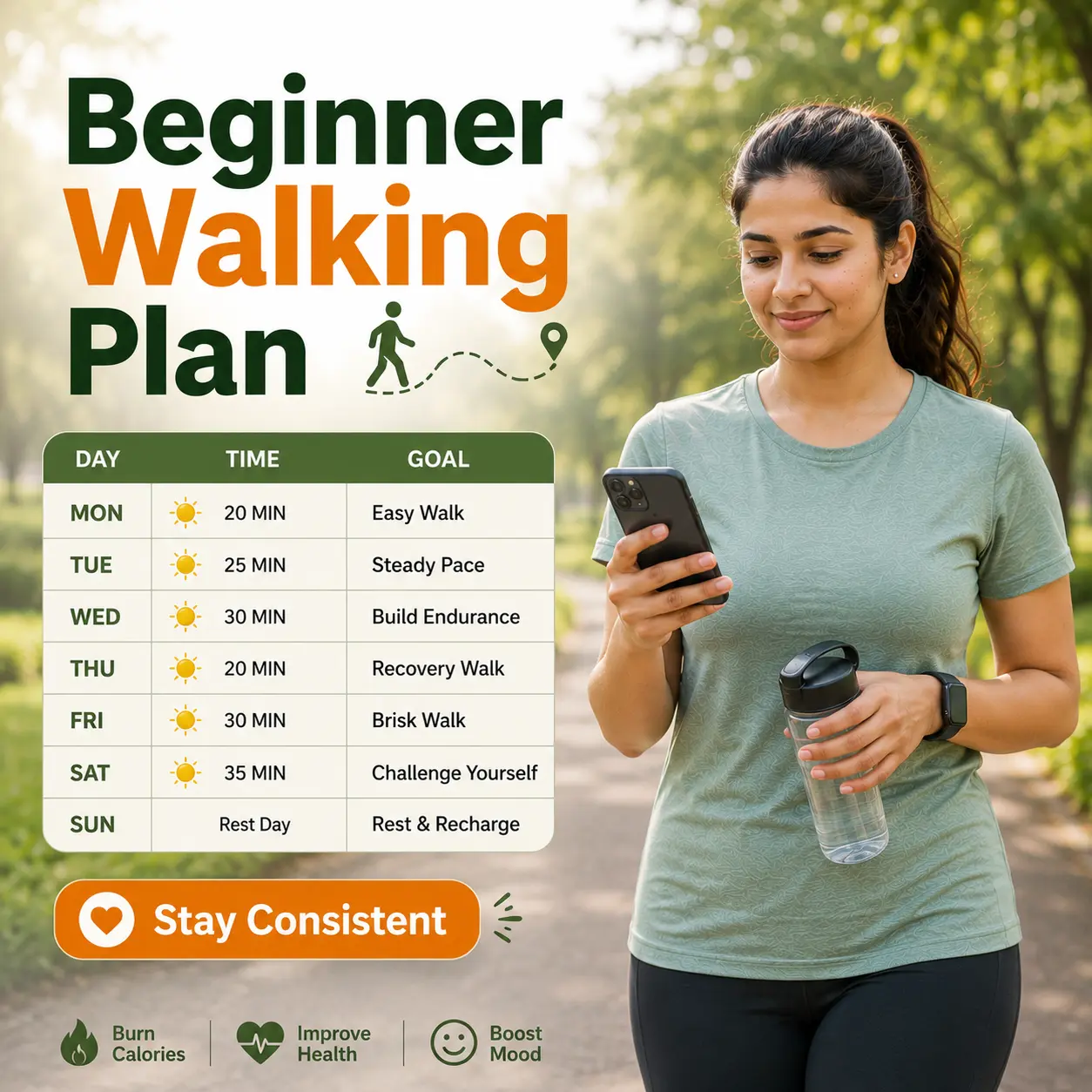
Week 1:
20 minutes per day
5 days per week
Week 2:
25 minutes per day
5 days per week
Week 3:
30 minutes per day
5–6 days per week
Week 4:
35–45 minutes per day
5–6 days per week
Small improvements add up.
Common Walking Mistakes
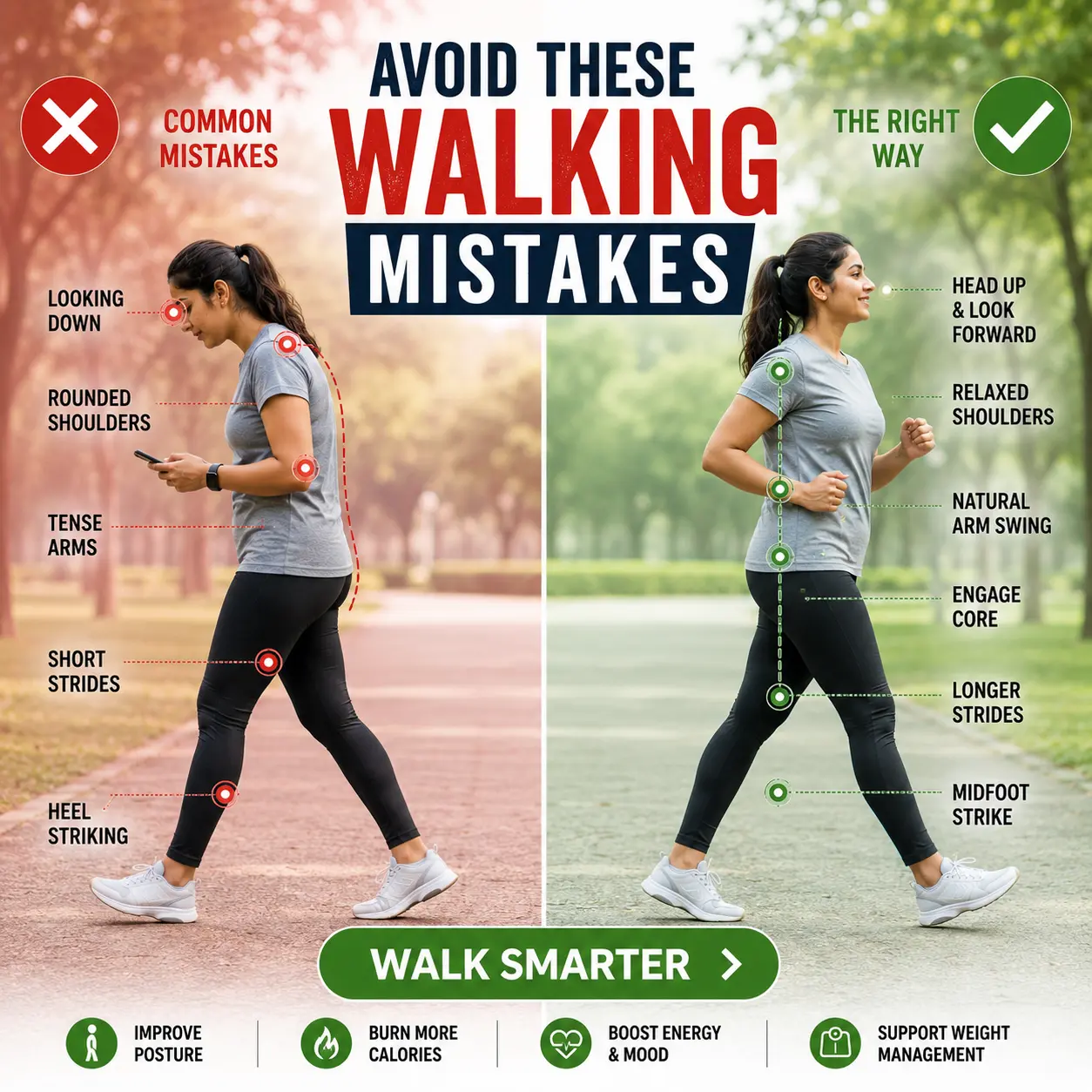
1. Walking Too Inconsistently
A long walk once a week won’t produce the same results as shorter daily walks.
2. Expecting Immediate Results
Weight loss takes time.
3. Ignoring Nutrition
Walking helps create a calorie deficit. However, food choices still matter.
4. Focusing Only on the Scale
Progress can also include:
Better energy
Improved fitness
Better endurance
Healthier habits
👉 Related Reading:
Final Thoughts
Walking may seem simple, but simple habits often create the biggest results.
You don’t need extreme workouts to start improving your health. Daily walking can help burn calories, support fat loss, improve cardiovascular health, and build a routine that lasts.
Most importantly, walking is sustainable.
Start where you are. Walk consistently. Stay patient.
Over time, those small daily steps can lead to significant changes.