Why Your Weight Goes Up After Starting Exercise

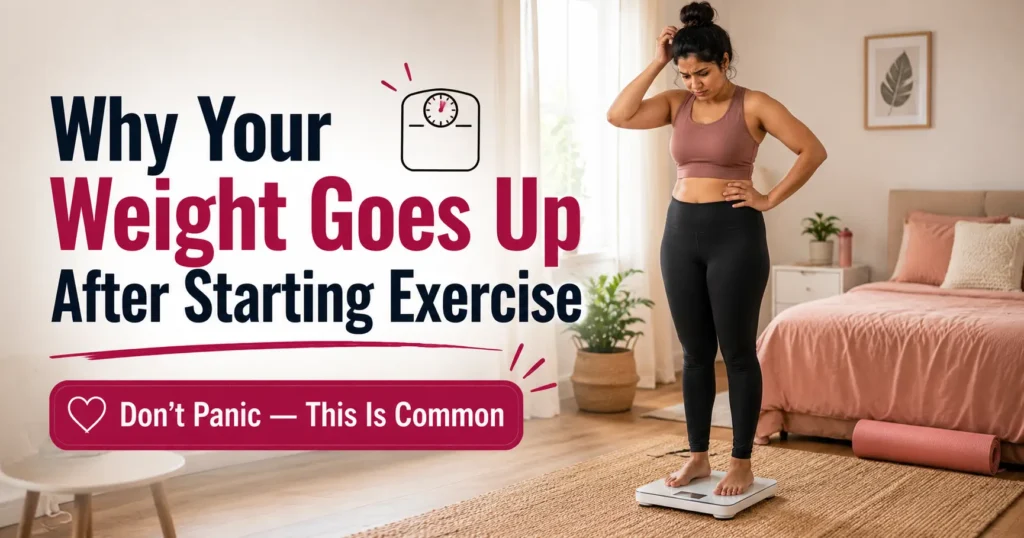
woman confused about weight gain after starting exercise

You finally decide to start exercising.

Maybe you begin:

  • walking daily
  • doing treadmill workouts
  • trying home workouts
  • following YouTube fitness routines

At first, you feel motivated and hopeful.

You expect:

  • the scale to go down
  • your body to feel lighter
  • quick visible changes

But then something frustrating happens.

Instead of losing weight…

the number on the scale goes UP.

Naturally, panic starts.

You may wonder:

“Why am I gaining weight after exercising?”
“Is exercise making me fat?”
“Should I stop working out?”
“Am I doing something wrong?”

If this sounds familiar, don’t worry.

This happens to many beginners.

And honestly?
In most cases, temporary weight gain after starting exercise is completely normal.

Your body is adjusting to:

  • increased activity
  • muscle recovery
  • water retention
  • hormonal changes

The scale does not always show fat loss immediately.

That’s why understanding what’s happening inside your body is so important.

Let’s break it down properly.

Exercise Does Not Instantly Burn Visible Fat

This is one of the biggest misconceptions about fitness.

Many people think:

“I exercised today, so the scale should drop tomorrow.”

Unfortunately, the body does not work that way.

Fat loss is usually:

  • gradual
  • inconsistent
  • non-linear

Your body may go through temporary changes before visible weight loss happens.

That’s completely normal.

👉 Related read:
Why Weight Loss Slows Down After the First Few Weeks

Water Retention After Exercise Is Very Common
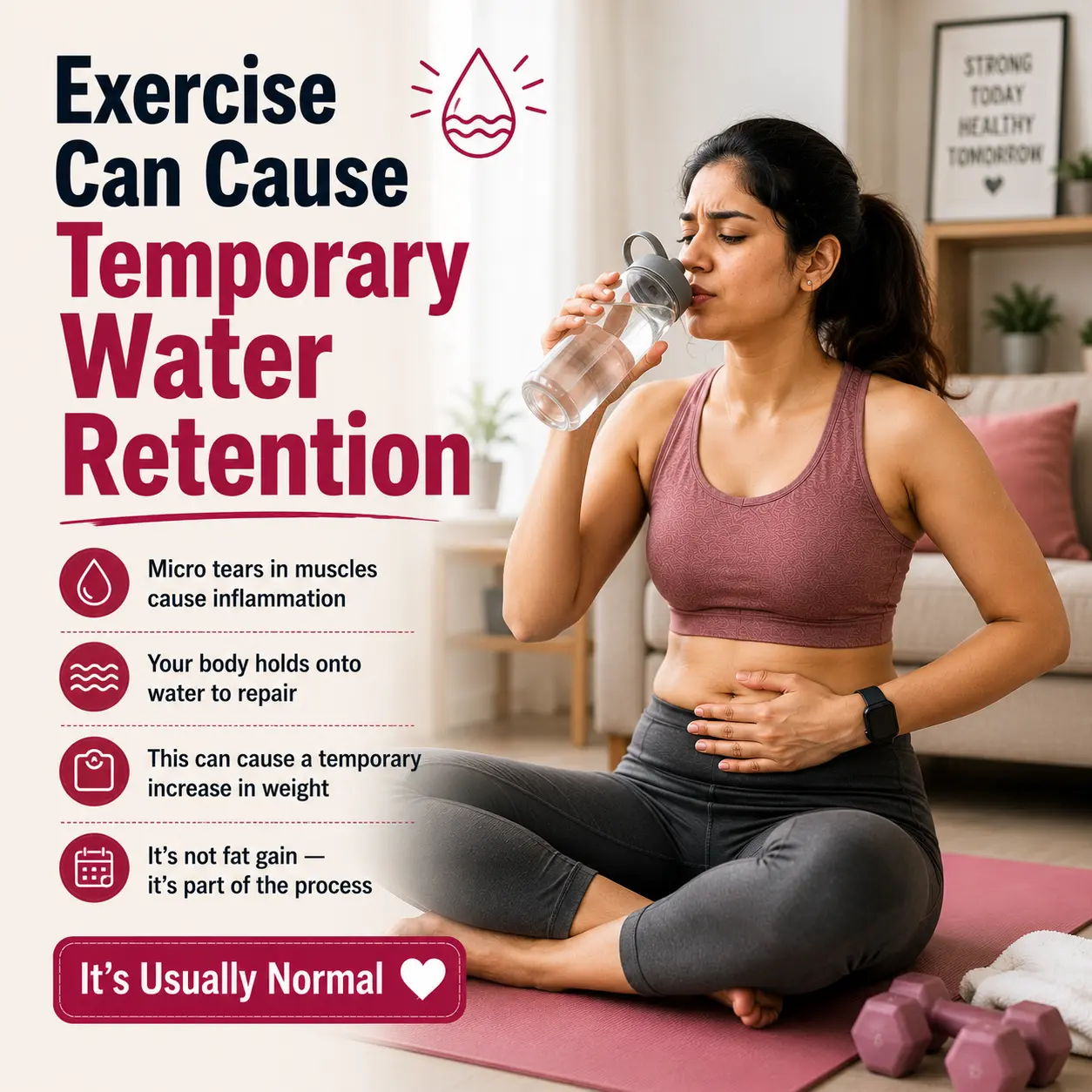
water retention after starting workouts


This is probably the #1 reason beginners see the scale increase after workouts.

When you start exercising, your muscles experience:

  • stress
  • tiny tears
  • inflammation

This is part of normal muscle recovery.

To repair itself, your body temporarily holds extra water around muscles.

As a result:

  • the scale may increase
  • your body may feel slightly swollen
  • clothes may feel tighter temporarily

This does NOT automatically mean fat gain.

According to Cleveland Clinic, exercise-related inflammation and muscle repair can temporarily increase water retention and body weight.

Muscle Recovery Can Affect the Scale
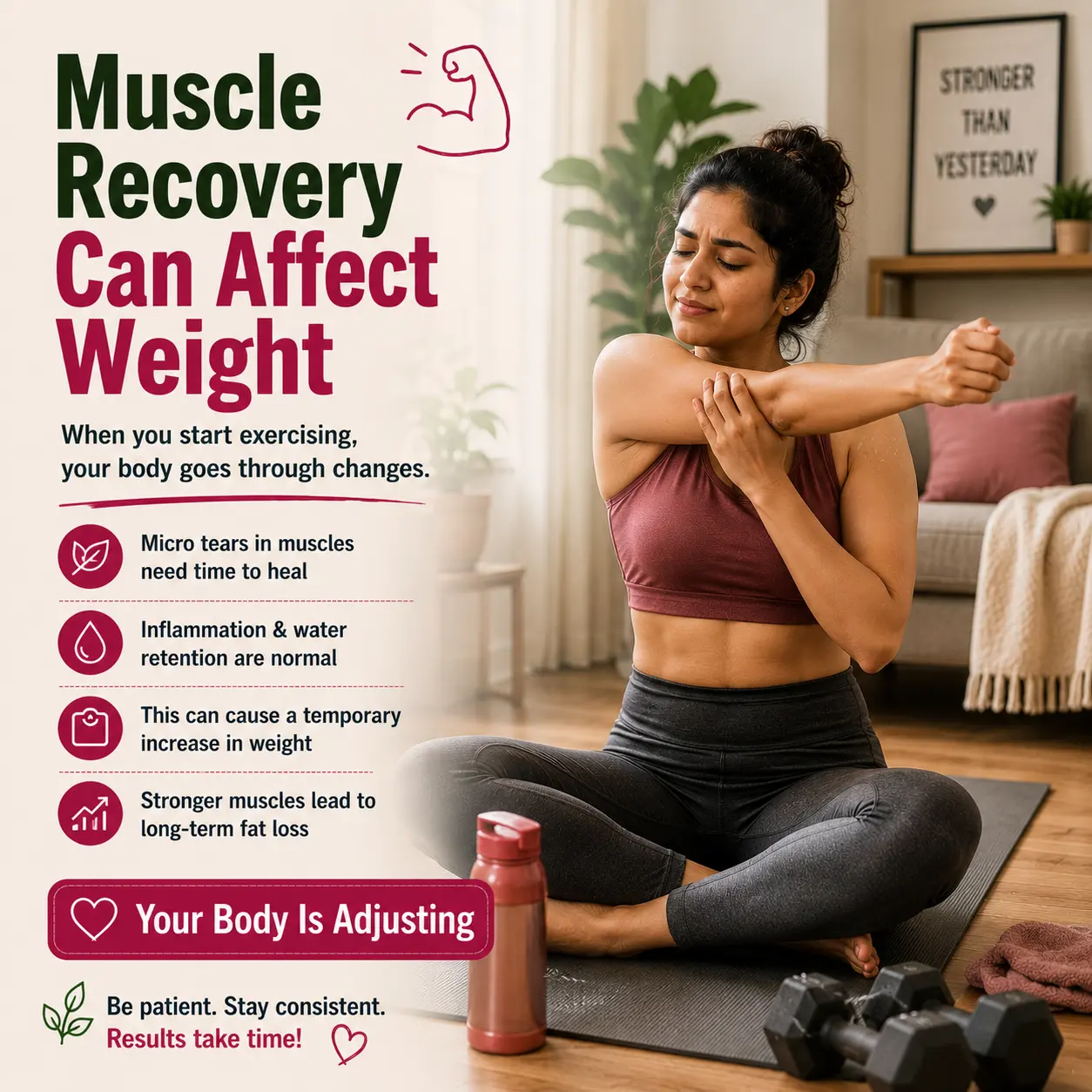
muscle recovery causing scale fluctuations


When muscles recover after workouts, your body stores glycogen for energy.

Glycogen naturally holds water.

So even if:
✅ fat loss is happening

…the scale may temporarily rise because:

  • glycogen increases
  • water retention increases

This is especially common when starting:

  • strength training
  • treadmill workouts
  • intense home workouts

Soreness Often Means Your Body Is Adapting

If your muscles feel sore after workouts, your body is recovering and adapting.

That recovery process can temporarily increase:

  • inflammation
  • water weight
  • scale fluctuations

Beginners often panic during this phase because they expect immediate weight loss.

However, the body needs time to adjust.

Women May Notice Bigger Weight Fluctuations
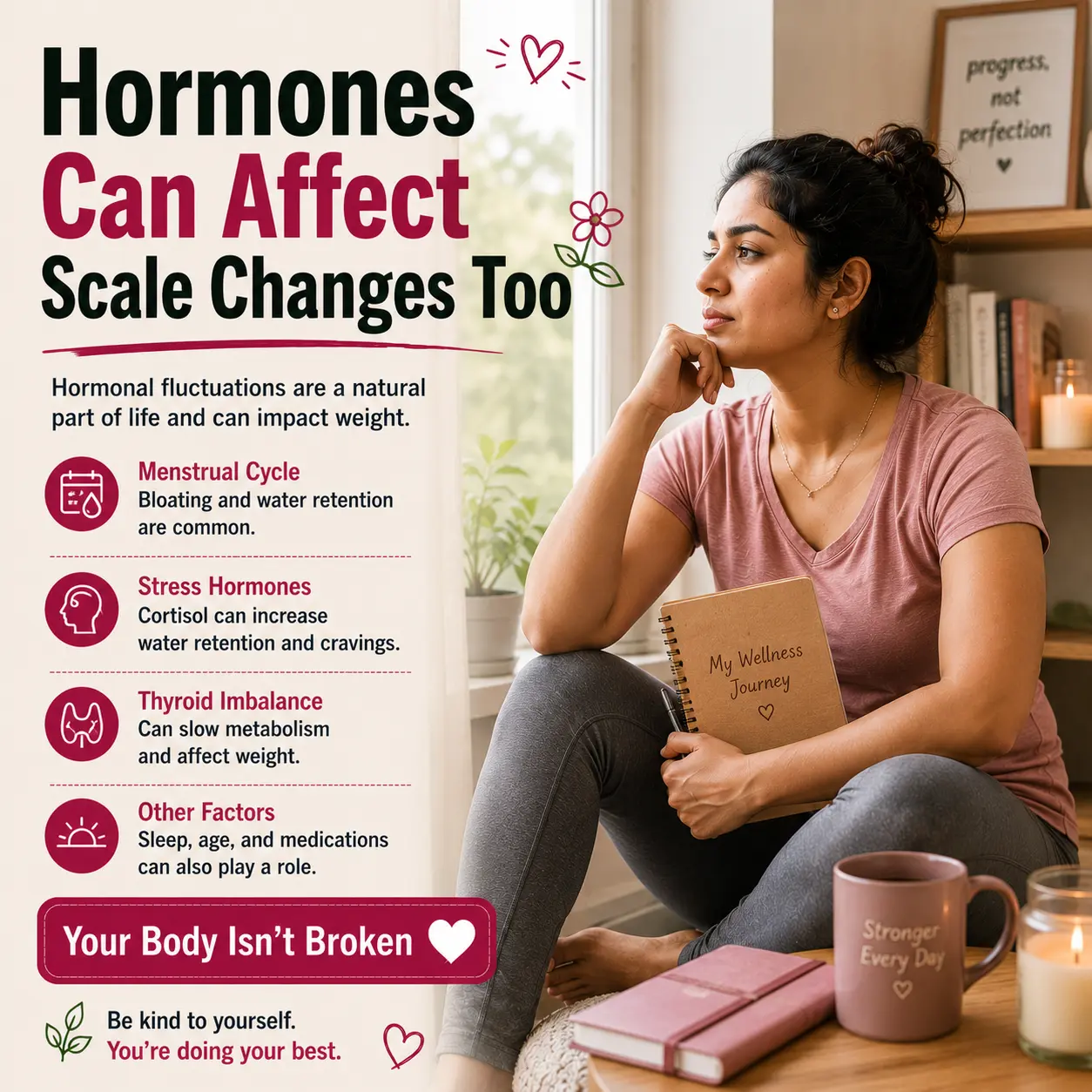
women hormonal weight fluctuations during fitness journey


Hormones can strongly affect:

  • water retention
  • bloating
  • appetite
  • weight fluctuations

Some women notice:

  • scale increases before periods
  • more bloating after workouts
  • temporary puffiness

This is very common.

Your body is not failing.

Hormonal changes can temporarily hide fat loss progress on the scale.

👉 You may also like:
Why Belly Fat Is Harder to Lose for Women

Increased Appetite Can Also Affect Weight

woman feeling hungrier after workouts


Exercise sometimes increases hunger.

As a result, beginners may unknowingly:

  • snack more
  • increase portions
  • reward themselves with extra food

This does not mean workouts are “bad.”

It simply means appetite awareness becomes important.

👉 Related article:
Why You Feel Hungrier After Starting Workouts

The Scale Does Not Show the Full Picture
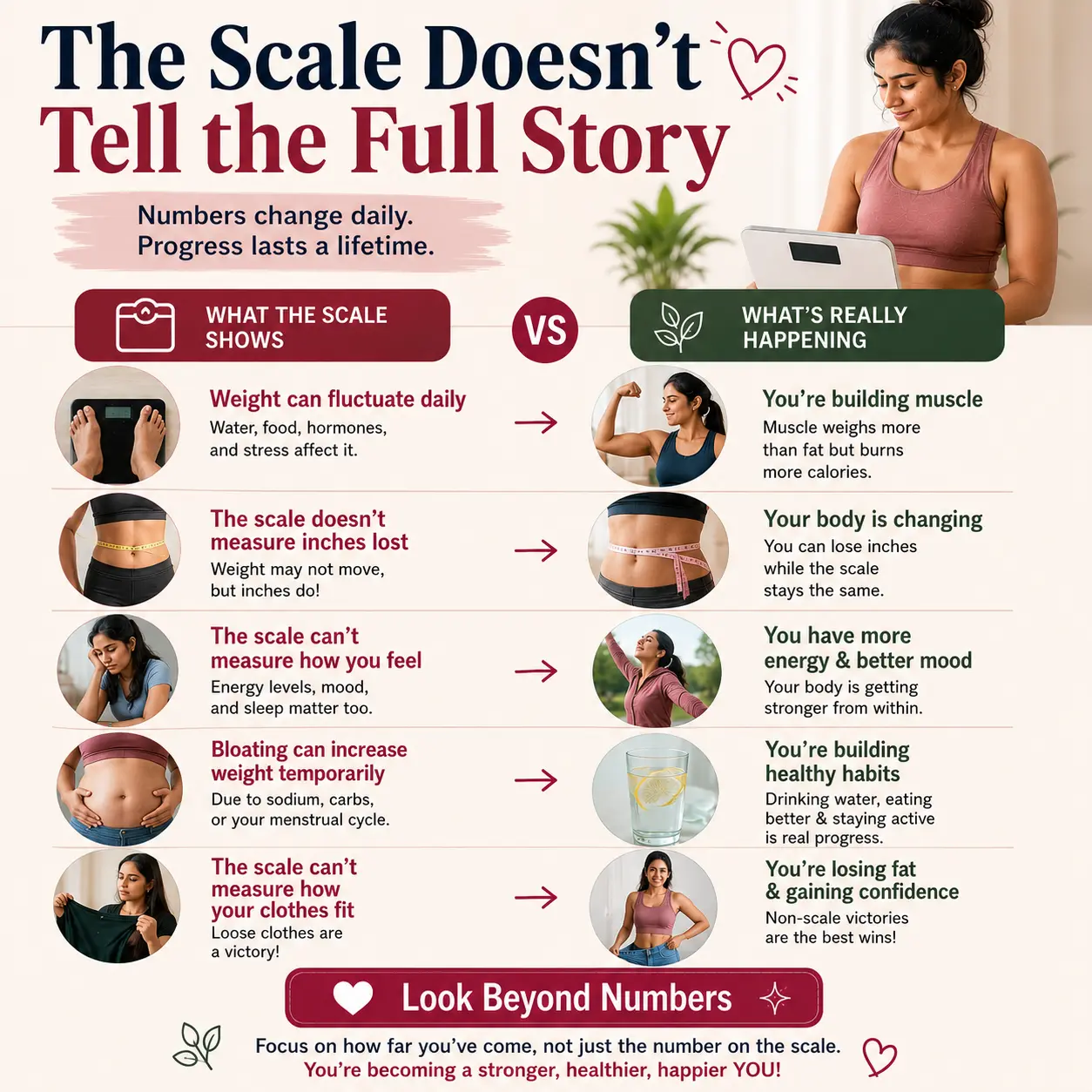
difference between scale weight and real fat loss progress


This is extremely important to understand.

The scale only shows:

total body weight

It does NOT separately show:

  • fat
  • water
  • muscle
  • inflammation
  • digestion
  • hormonal fluctuations

That’s why scale numbers can be misleading.

👉 You can also read:
Why the Scale Lies During Fat Loss

You May Actually Look Better Before the Scale Changes

This surprises many people.

Sometimes:

  • clothes fit better
  • bloating reduces
  • stamina improves
  • posture improves

…before major scale changes happen.

That’s because body composition may improve even when weight fluctuates.

Starting Exercise Can Increase Muscle Mass Slightly

No, beginners do NOT suddenly become “bulky.”

However, small muscle adaptations can happen when you start exercising consistently.

Muscle is healthier and denser than fat.

So sometimes:

  • fat loss begins
  • muscle improves slightly
  • water retention increases

…and the scale temporarily stays similar or rises slightly.

This is normal.

Stress Can Also Affect Weight Fluctuations

Starting a new routine can sometimes increase:

  • physical stress
  • mental pressure
  • cortisol levels

Poor sleep and stress may contribute to:

  • bloating
  • water retention
  • fatigue

That’s why recovery matters just as much as workouts.

👉 Related read:
Why You Feel Tired During Weight Loss

Beginners Often Expect Results Too Fast

This is another major issue.

Social media creates unrealistic expectations.

People see:

  • dramatic transformations
  • “7-day fat loss”
  • overnight results

Then they expect instant changes from normal workouts.

Real fat loss usually takes:

  • consistency
  • patience
  • weeks of realistic habits

Not just a few workouts.

Signs Your Body Is Actually Improving

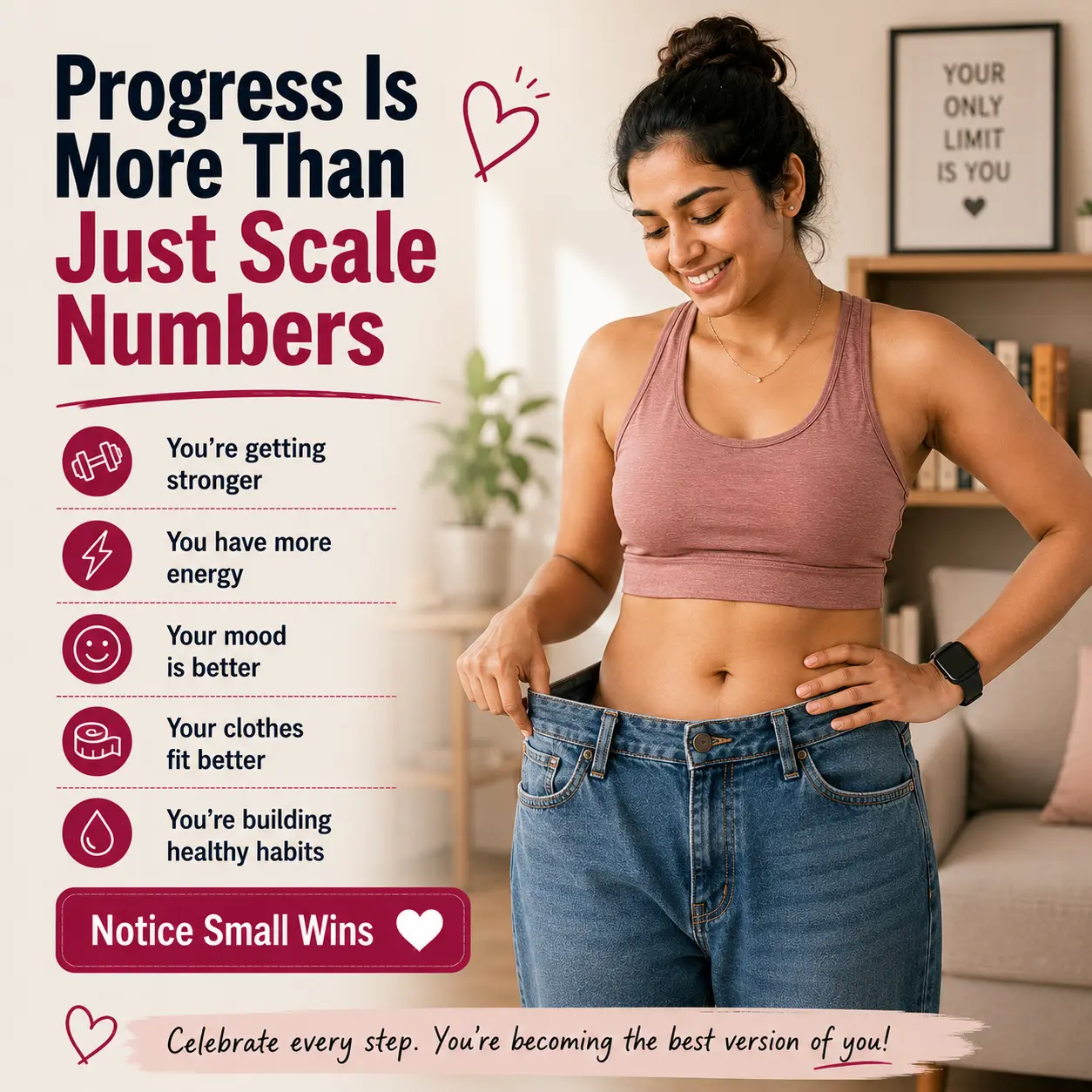
non scale progress during weight loss journey


Even if the scale feels frustrating, look for other progress signs.

Positive changes include:

  • improved stamina
  • better sleep
  • less breathlessness
  • improved mood
  • looser clothes
  • healthier habits
  • increased energy

These changes matter too.

Weight Fluctuations Are Completely Normal

Body weight naturally changes daily because of:

  • hydration
  • sodium intake
  • hormones
  • digestion
  • stress
  • sleep
  • workouts

Small fluctuations are not failures.

That’s why checking weight emotionally every single day usually creates unnecessary stress.

How to Track Progress More Realistically

Instead of obsessing over the scale alone, also track:

  • body measurements
  • progress photos
  • energy levels
  • workout consistency
  • clothing fit
  • stamina

These often show progress earlier than the scale.

What You Should NOT Do

After seeing temporary weight gain, many people:
❌ quit workouts
❌ start crash dieting
❌ over-exercise
❌ panic emotionally

This usually makes things worse.

Consistency works much better than emotional reactions.

Healthy Ways to Continue Your Fitness Journey

Here’s what actually helps long-term.

1. Stay Consistent

Your body needs time to adapt.

Avoid quitting after a few scale fluctuations.

2. Drink Enough Water

Hydration supports:

  • recovery
  • digestion
  • energy
  • reduced bloating

3. Avoid Extreme Workouts

Exhausting yourself daily often increases:

  • soreness
  • burnout
  • stress

👉 You may also enjoy:
Low-Impact Home Workout for Weight Loss (No Jumping)

4. Focus on Realistic Nutrition

Balanced meals support:

  • recovery
  • energy
  • fat loss

👉 Related article:
Healthy Indian Diet Plan for Weight Loss (7 Days)

5. Give Your Body Time

This is probably the most important advice.

Real transformation takes:

  • weeks
  • months
  • consistency

Not a few days.

When Weight Gain May Actually Need Attention

Temporary fluctuations are normal.

However, you may want professional guidance if:

  • weight keeps rapidly increasing
  • swelling becomes severe
  • fatigue becomes extreme
  • you feel unwell consistently

In some cases, medical conditions or hormonal issues may also affect weight changes.

According to Mayo Clinic, sudden unexplained weight changes may sometimes need medical evaluation.

Frequently Asked Questions

Yes. Water retention, muscle recovery, and inflammation can temporarily increase body weight after workouts.

No. Exercise itself does not cause fat gain. Temporary scale increases are often related to water and recovery processes.

For many beginners, temporary fluctuations improve within a few weeks as the body adapts.

Body composition changes can happen before large scale changes appear.

No. Temporary fluctuations are common and usually not a reason to quit your fitness routine.

Final Thoughts

Seeing the scale increase after starting exercise can feel discouraging.
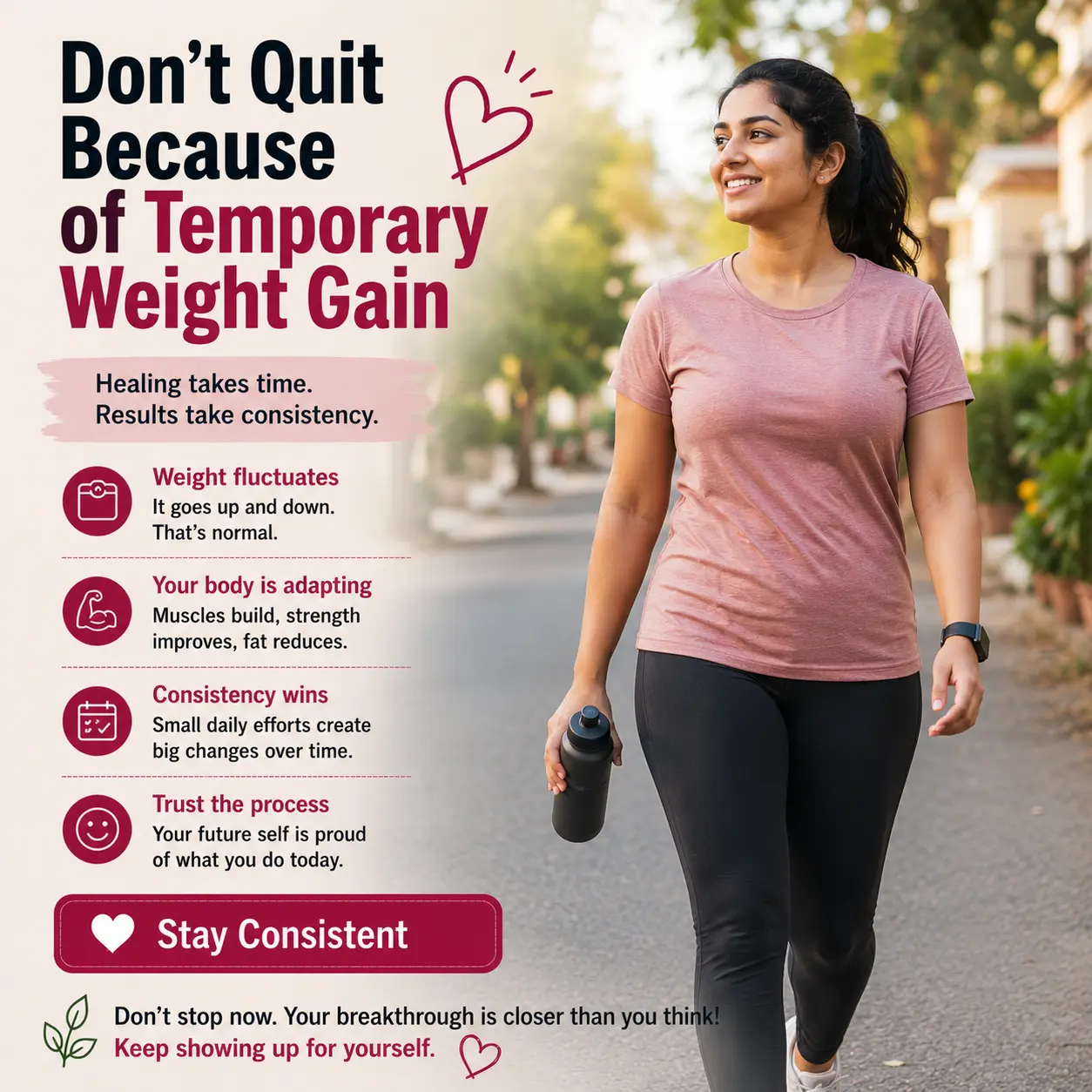
 

woman staying consistent with healthy workouts


However, in many cases:

it’s completely normal.

Your body may simply be:

  • recovering
  • holding water
  • adapting to movement
  • rebuilding energy stores

The scale does not always reflect fat loss immediately.

That’s why patience matters.

Instead of reacting emotionally to daily numbers:

  • stay consistent
  • focus on healthy habits
  • give your body time to adjust

Because real fitness progress is usually much slower — and much more realistic — than social media makes it seem.

Leave a Comment

Your email address will not be published. Required fields are marked *

Scroll to Top