Starting a workout routine feels exciting at first.
You begin walking daily.
Maybe you try home workouts, treadmill sessions, or standing exercises.
At first, you expect:
- more energy
- faster fat loss
- visible changes
But then something confusing happens.
Suddenly:
- you feel hungry more often
- cravings increase
- portions become bigger
- snacking feels harder to control
And naturally, many people panic.
They start wondering:
“Why am I feeling hungrier after exercising?”
“Is working out making me gain weight?”
“Am I eating back all the calories I burned?”
If this sounds familiar, don’t worry.
Feeling hungrier after starting workouts is actually very common.
And honestly?
In many cases, it’s completely normal.
Your body is adjusting to increased movement, energy use, and recovery needs.
However, there’s also an important difference between:
- real physical hunger
- emotional reward eating
- boredom eating after workouts
Understanding that difference can help you avoid frustration and stay consistent with your fitness journey.
Let’s break everything down properly.
Why Exercise Can Increase Hunger
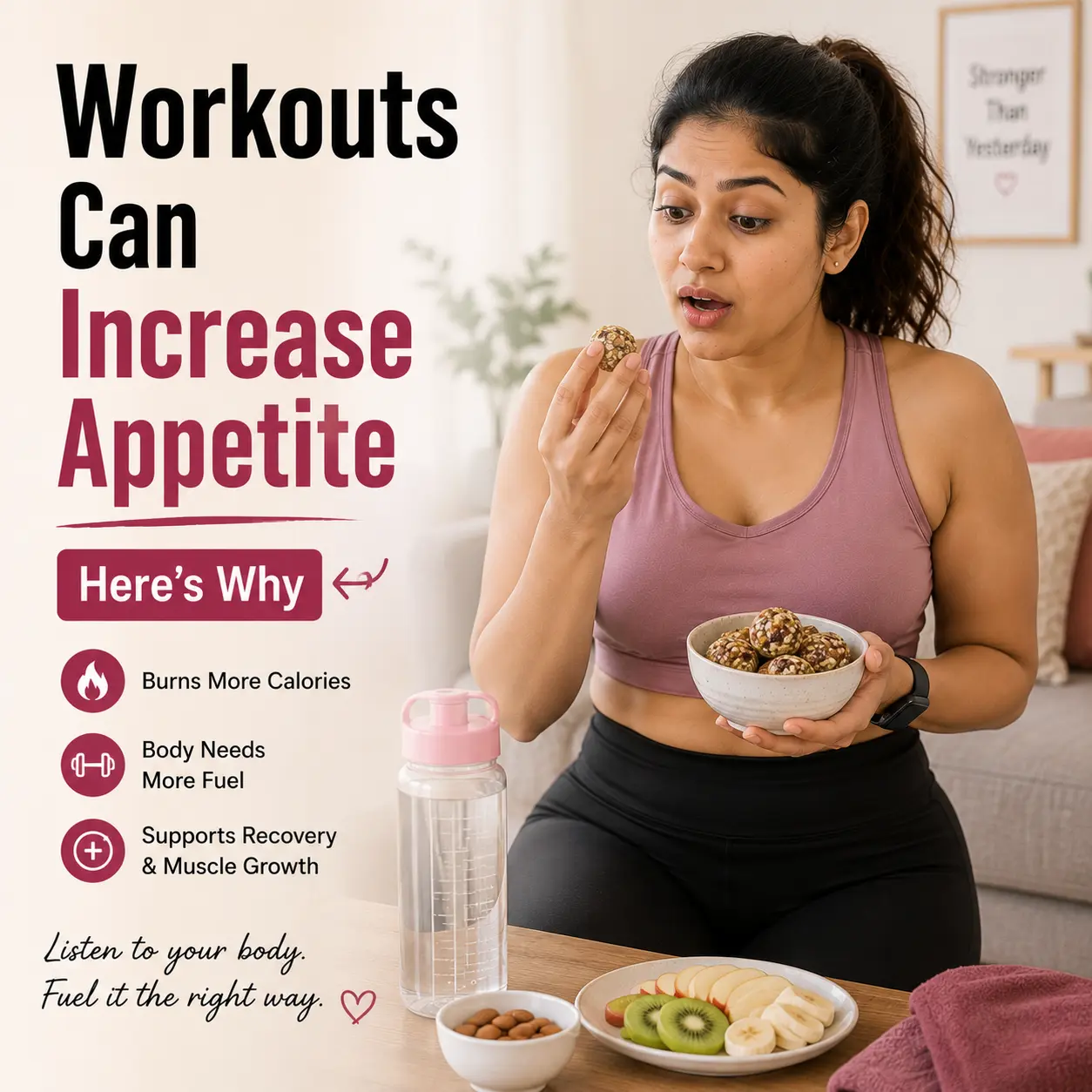
When you begin exercising, your body suddenly starts using more energy.
As a result:
- muscles work harder
- recovery increases
- calorie demand changes
Naturally, your appetite may increase too.
This does not automatically mean:
❌ your workouts are failing
❌ you are gaining fat
❌ exercise is “bad” for weight loss
It simply means your body is responding to increased activity.
Your Body Needs Energy for Recovery
This is one of the biggest reasons hunger increases.
After workouts:
- muscles recover
- glycogen stores refill
- tissues repair themselves
All of this requires energy.
That’s why your body may send stronger hunger signals.
According to Harvard Health, physical activity can affect appetite hormones and energy balance differently from person to person.
Hunger Feels Stronger When Workouts Are New
Beginners often notice hunger more intensely during the first few weeks.
Why?
Because the body is:
- adapting to movement
- experiencing muscle soreness
- adjusting to routine changes
Over time, many people notice appetite becomes more balanced again.
👉 You may also like:
Why Weight Loss Slows Down After the First Few Weeks
Sometimes You’re Actually Just Thirsty
This is surprisingly common.
After workouts, dehydration can sometimes feel like hunger.
You may think:
“I need food.”
But your body may actually need:
- water
- electrolytes
- hydration
This is especially common after:
- treadmill workouts
- sweating heavily
- summer workouts
- fasted workouts
Simple Fix
After exercise:
- drink water slowly
- wait 15–20 minutes
- then decide if you’re truly hungry
This small habit helps many people avoid unnecessary overeating.
Exercise Can Trigger Reward Eating

This is where many beginners struggle.
After workouts, people sometimes think:
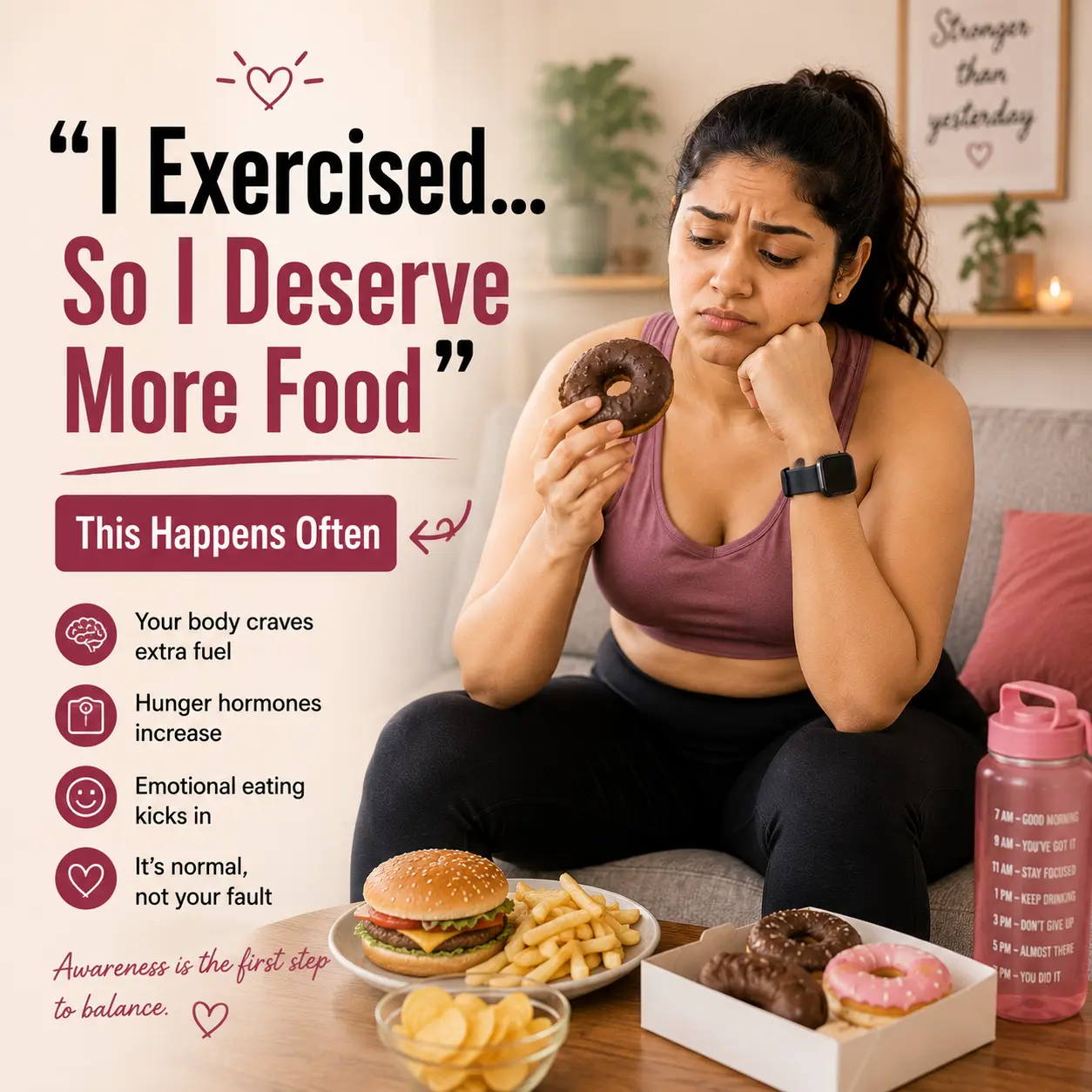
“I exercised today, so I deserve extra food.”
This mindset can quietly increase calorie intake.
Examples:
- extra desserts
- sugary drinks
- oversized cheat meals
- emotional reward snacking
As a result:
- workouts happen
- but fat loss slows
👉 Related read:
Why You’re Not Losing Weight Even After Daily Exercise
Intense Workouts May Increase Appetite More
Not all workouts affect hunger equally.
For example:
- long cardio sessions
- intense HIIT workouts
- exhausting routines
…may increase appetite more strongly for some people.
Meanwhile:
- walking
- low-impact workouts
- moderate strength training
…often feel easier to manage consistently.
That’s why beginners sometimes do better with realistic workouts instead of extreme routines.
👉 You may also enjoy:
Low-Impact Home Workout for Weight Loss (No Jumping)
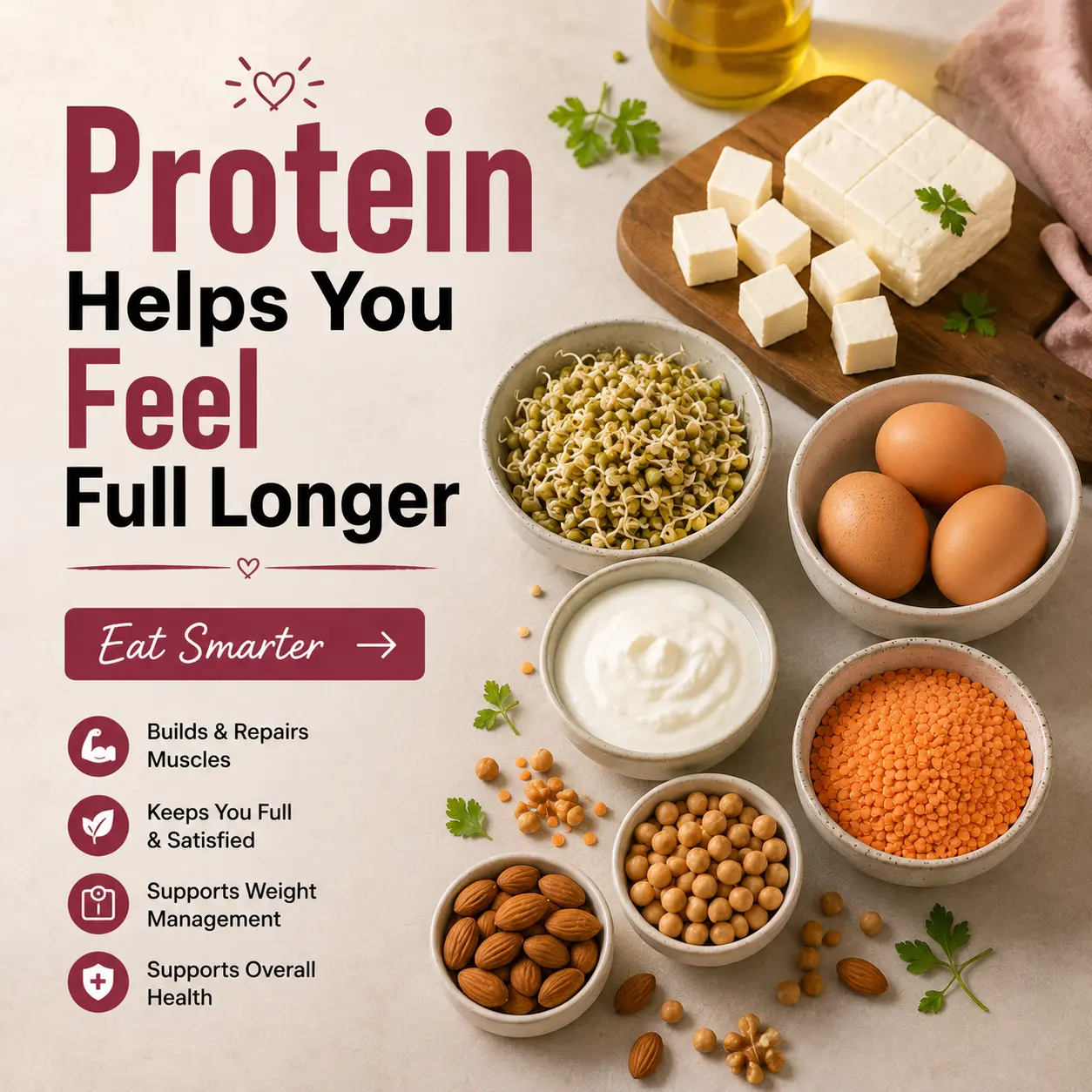
Lack of Protein Makes Hunger Worse

This is a HUGE issue for many people trying to lose weight.
If meals lack protein, you may:
- feel hungry quickly
- crave snacks
- struggle with fullness
Protein helps support:
- muscle recovery
- satiety
- stable energy
Simple protein-rich foods include:
- eggs
- paneer
- lentils
- tofu
- Greek yogurt
- sprouts
Balanced meals help control hunger much better than random snacking.
👉 You can also read:
Healthy Indian Diet Plan for Weight Loss (7 Days)
Poor Sleep Can Increase Hunger Too
Many people blame workouts alone.
However, sleep plays a major role in appetite regulation.
Poor sleep may increase:
- cravings
- emotional eating
- late-night snacking
- hunger hormones
According to the Sleep Foundation, inadequate sleep can affect hormones linked to hunger and appetite.
Women May Notice Hunger Changes Differently
Hormones can influence:
- appetite
- cravings
- water retention
- energy levels
Some women feel:
- hungrier around periods
- more cravings after workouts
- fluctuating energy levels
This is normal.
Your body is not “broken.”
Hormonal patterns can affect how your body responds to exercise and food.
👉 Related article:
Why Belly Fat Is Harder to Lose for Women
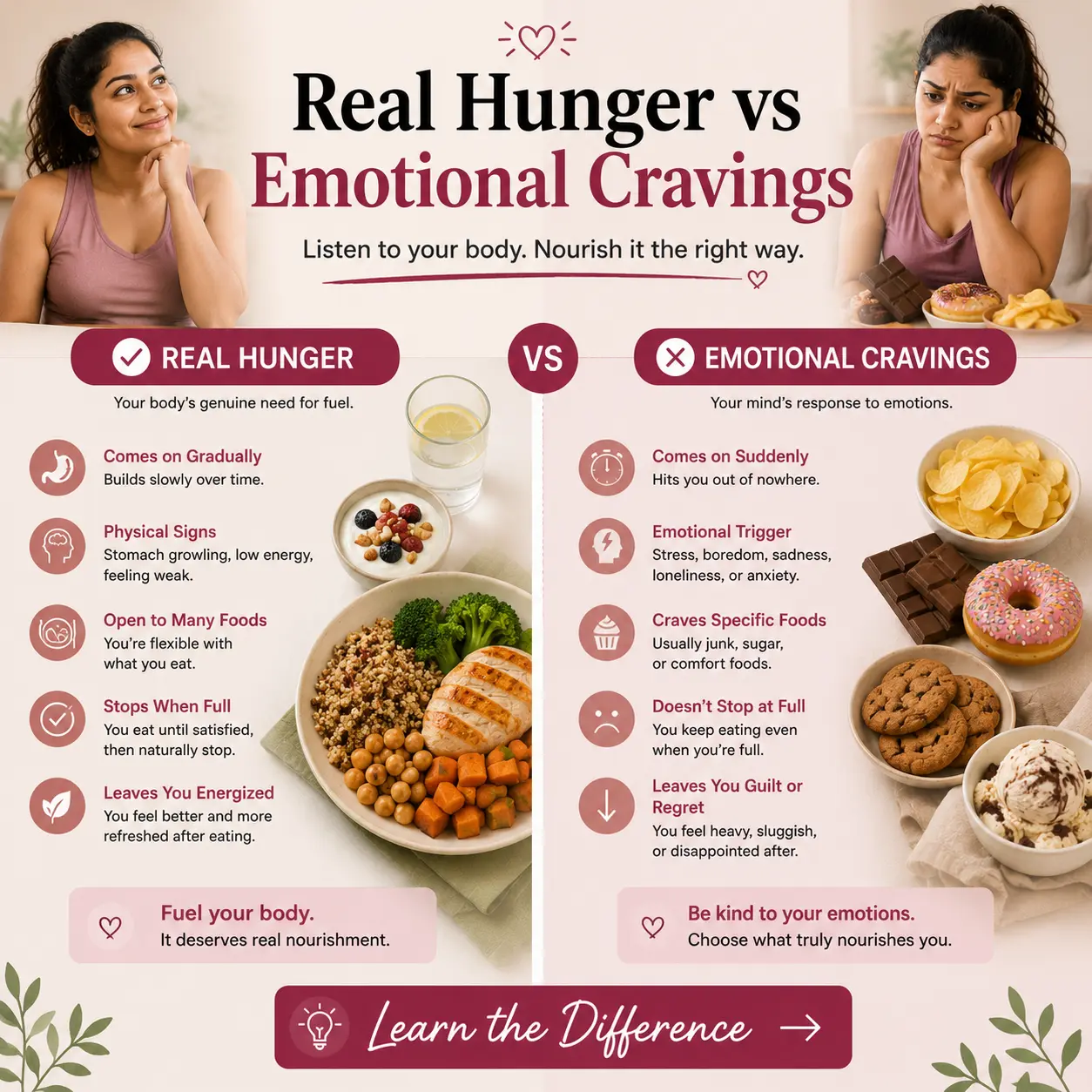
Signs You’re Actually Hungry

Real physical hunger usually:
- builds gradually
- feels calm
- allows flexible food choices
For example:
“I could eat rice, eggs, fruit, or dal.”
Signs It’s More Emotional Craving
Emotional hunger often:
- feels sudden
- targets specific junk foods
- appears after stress or boredom
For example:
“I NEED chips, chocolate, or fast food right now.”
Learning this difference is extremely helpful for long-term fat loss.
Should You Eat After a Workout?
In many cases:
✅ yes
Especially if:
- workouts are intense
- sessions are long
- you feel low energy
- meals are spaced far apart
However, post-workout eating does not need to become:
- binge eating
- oversized cheat meals
- reward eating
Simple balanced options work well:
- fruit + curd
- eggs + toast
- protein smoothie
- paneer wrap
- sprouts bowl
Starving Yourself After Exercise Usually Backfires
Some people try:
“I’ll avoid eating after workouts to lose weight faster.”
Unfortunately, this often causes:
- stronger cravings later
- overeating at night
- low energy
- poor consistency
Extreme restriction rarely works long-term.
Better Ways to Control Hunger After Workouts
Here are realistic strategies that actually help.

1. Eat Balanced Meals
Include:
- protein
- fiber
- healthy fats
- complex carbs
Balanced meals improve fullness.
2. Stay Hydrated
Drink enough water throughout the day — not only during workouts.
3. Avoid Extreme Dieting
Very low-calorie diets often increase hunger dramatically.
4. Choose Sustainable Workouts
Overly intense routines may increase burnout and cravings.
👉 You may also like:
Standing Exercises for Weight Loss at Home
5. Focus on Weekly Progress — Not One Meal
One snack or one hungry day does not ruin fat loss.
Consistency matters much more.
👉 Related read:
Why the Scale Lies About Your Fat Loss Progress
Can You Still Lose Weight If You Feel Hungrier?
Absolutely.
Feeling hungry after workouts does not automatically stop fat loss.
The key is learning:
- portion awareness
- balanced eating
- consistency
- realistic expectations
Your goal should not be:
“Never feel hungry.”
Instead:
“Learn how to respond to hunger realistically.”
Frequently Asked Questions
Yes. Increased movement and recovery needs can naturally increase appetite, especially for beginners.
This may happen because of reward eating, dehydration, poor sleep, or overly restrictive dieting.
Yes, in many cases. Balanced post-workout meals can support recovery and help prevent overeating later.
For some people, yes. Very intense exercise may trigger stronger hunger signals.
Yes. Sustainable fat loss depends more on long-term habits and consistency than temporary hunger changes.
Final Thoughts
Feeling hungrier after starting workouts can feel frustrating at first.
However, it does not mean your fitness journey is failing.
In many cases, your body is simply:
- adapting
- recovering
- using more energy
The solution is not starvation.
Instead:
- eat balanced meals
- stay hydrated
- avoid reward eating
- choose sustainable workouts
- stay consistent
Because realistic habits almost always work better than extreme restrictions.