

Exercising Daily but Still Not Losing Weight? You’re Not Alone
You wake up early.
You exercise almost every day.
You sweat, stretch, and stay consistent.
However, the scale still doesn’t move.
As a result, frustration kicks in. You start questioning your effort. Some people even wonder whether exercise works at all.
Here’s the honest truth:
Exercise alone does not guarantee weight loss.
In fact, many people face this exact problem. Despite daily workouts, results don’t show up because a few key factors are being ignored.
Once you understand those factors and fix them, progress becomes much easier.
So let’s break this down clearly and practically.
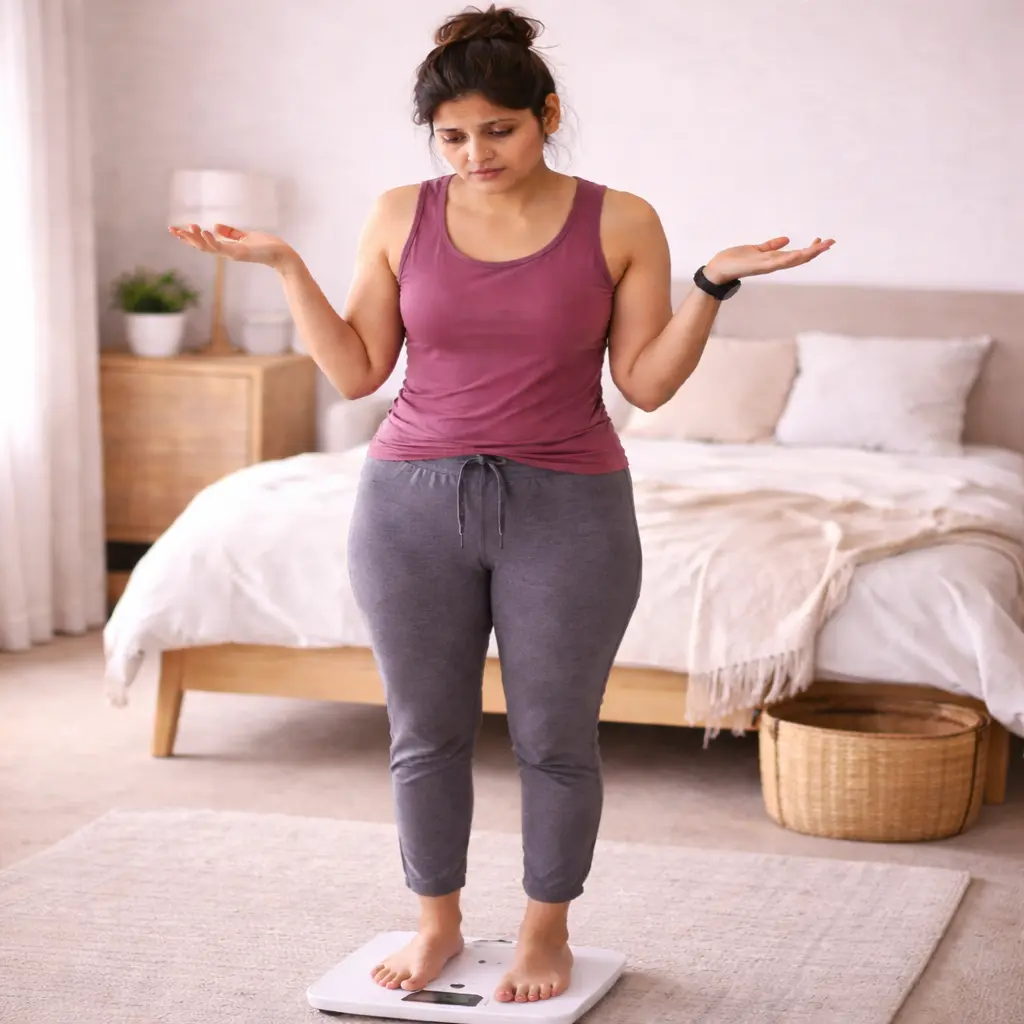
1. You’re Burning Fewer Calories Than You Think
Many people overestimate how many calories they burn during exercise.
A 30-minute workout may feel intense, but in reality, it usually burns only 150–250 calories. That’s less than one plate of snacks.
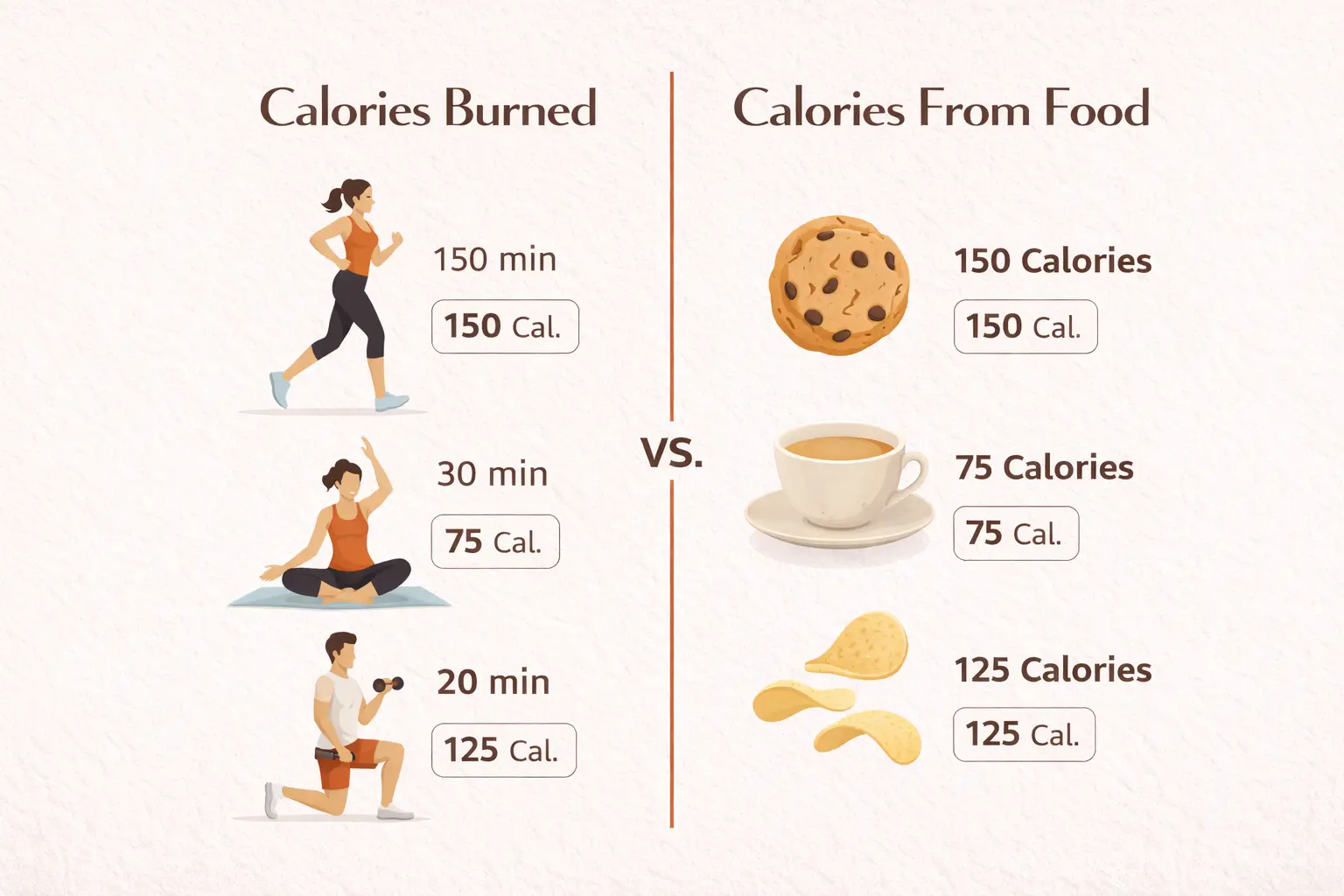
Exercise is important, but it’s not a free pass to eat more.
If your food intake quietly increases, your calorie deficit disappears.
What to do instead:
Focus on overall daily movement, not just workouts
Avoid rewarding workouts with extra food
Keep portions realistic, even on workout days
4. Stress Is Blocking Your Fat Loss

Stress is a silent weight-loss killer.
When you’re stressed, your body releases cortisol. High cortisol encourages fat storage, especially around the belly.
Even daily exercise won’t fix this if:
Sleep is poor
Work pressure is constant
You’re mentally exhausted
Simple stress fixes that work:
Walk after meals
Stretch at night
Sleep 7–8 hours
Avoid intense workouts every single day
Recovery matters as much as exercise.
5. You’re Losing Fat but Expecting Scale Changes
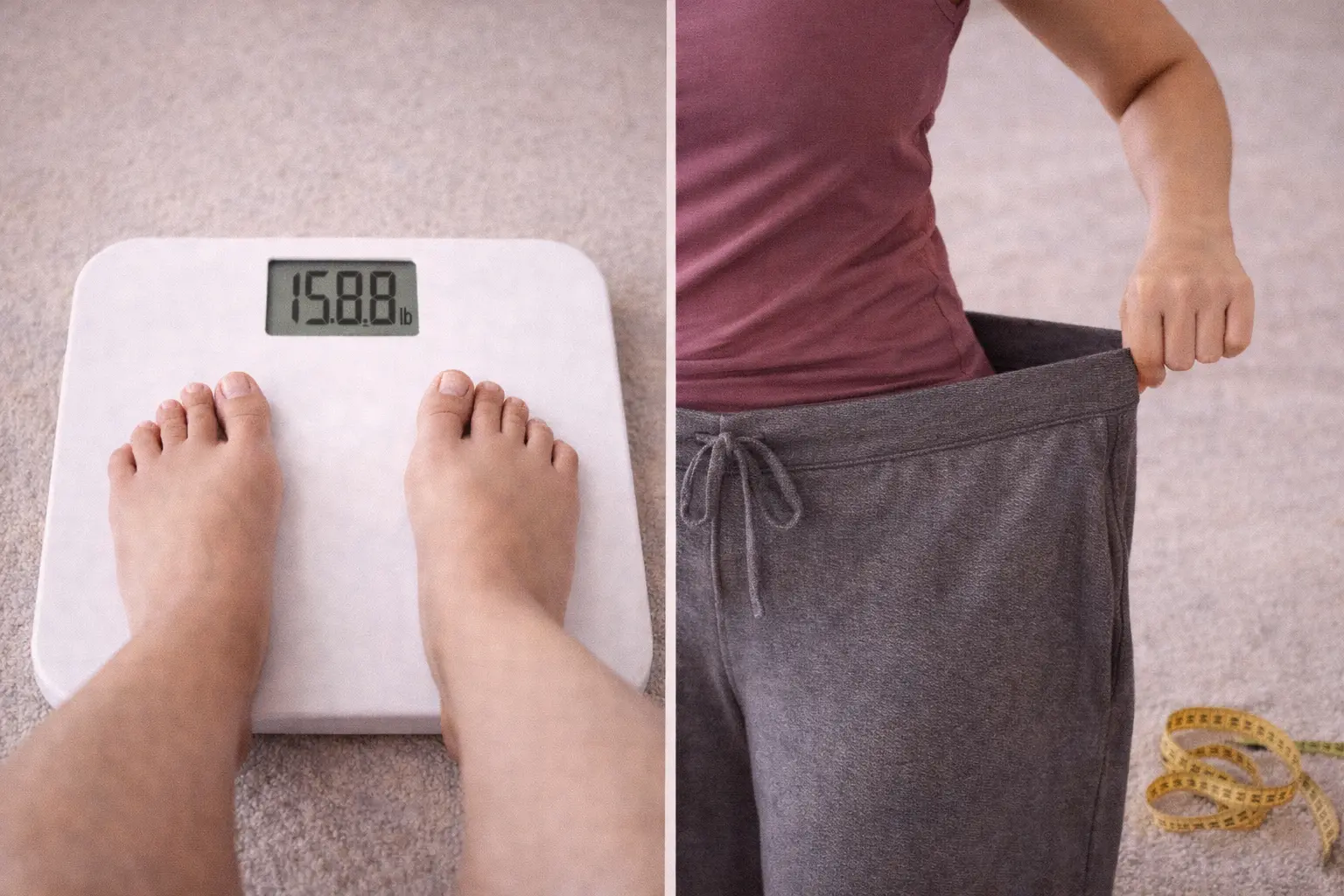
Weight loss and fat loss are not the same.
When you exercise regularly:
You may gain muscle
You may lose fat
Your weight may stay the same
The scale doesn’t show body composition.
Look for better signs:
Clothes fitting better
Inches reducing
Improved energy
Better posture
6. You’re Exercising Too Much, Too Often

More is not always better.
Daily high-intensity workouts can:
Increase hunger
Raise cortisol
Slow recovery
This often leads to overeating without realizing it.
Better approach:
4–5 workout days per week
1–2 active recovery days
Mix slow + fast workouts
Consistency beats exhaustion.
Low-impact home workout tools like resistance bands or yoga mats can improve results without overtraining.
7. Hormones or Health Issues May Be Involved

Sometimes weight loss stalls due to internal reasons, not lack of effort. According to Mayo Clinic, metabolism and hormonal balance directly influence how the body burns calories, even with regular exercise.
Common issues include:
Thyroid imbalance
PCOS
Insulin resistance
Poor gut health
If you’ve tried everything and nothing works, medical guidance is important.
Exercise helps, but health always comes first.