
If you’ve ever asked yourself, “Yoga kya hai?” — you’re not alone. Whether you want to boost your flexibility, manage stress, or simply move your body more mindfully, yoga is a powerful practice to explore. But before rolling out your mat, it’s important to understand what yoga truly is beyond those picture-perfect Instagram poses.
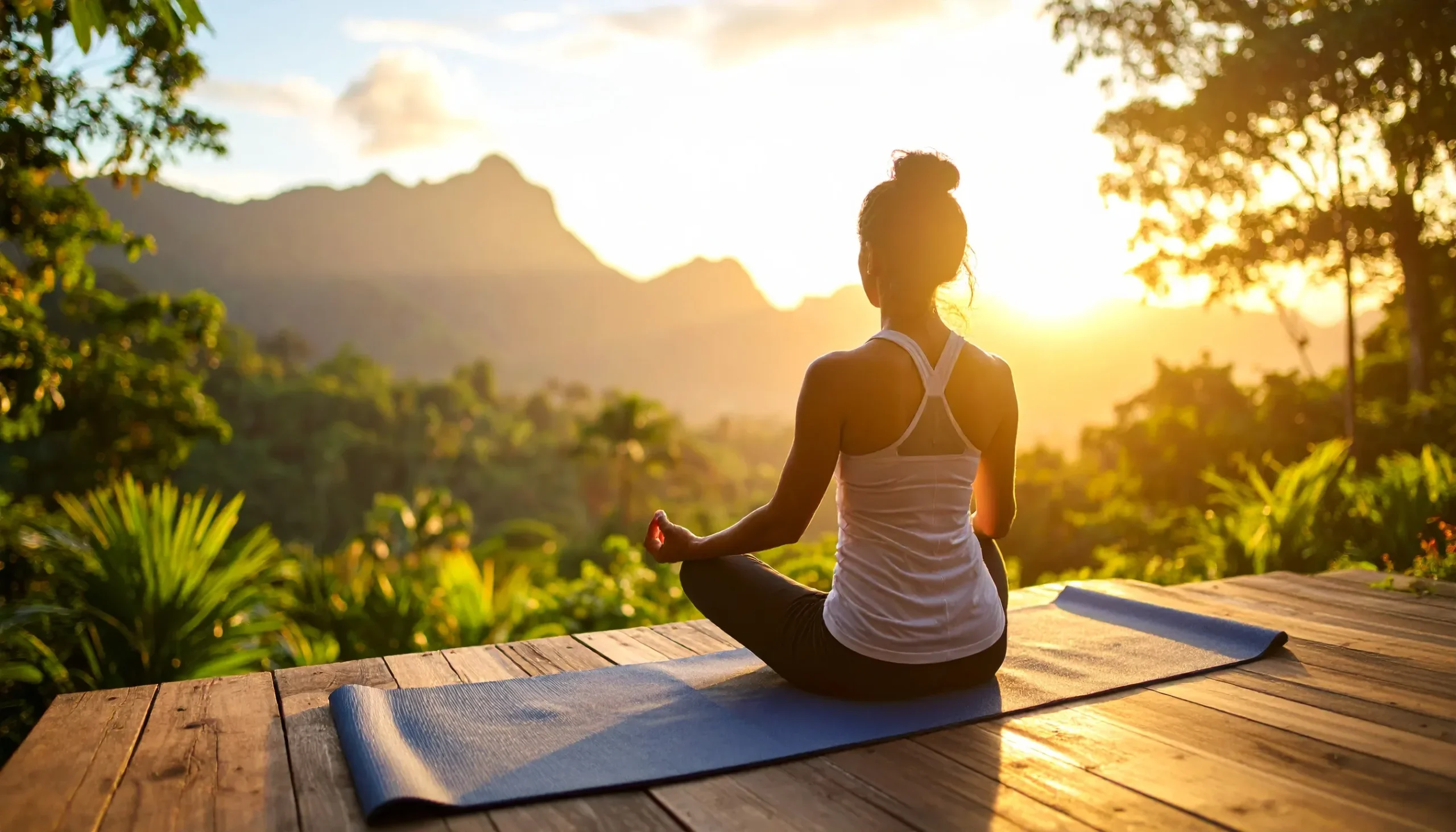
In this beginner-friendly guide, we’ll explore the meaning, history, types, and benefits of yoga, and bust some myths along the way (like “Is yoga a sin?”).
What Is Yoga?

At its core, yoga is a holistic practice that unites the mind, body, and spirit. The word “yoga” comes from the Sanskrit word “yuj,” which means to join or unite.
In simple terms, yoga helps you connect with yourself — mentally, physically, and emotionally — using postures (asanas), breathing techniques (pranayama), and meditation.
Think of yoga as a toolbox — not just for fitness, but for mental peace, self-awareness, and emotional resilience.
A Glimpse Into the History of Yoga
Yoga has been practiced for over 5,000 years, with its roots in ancient India. The first mention of yoga appears in the Rig Veda, one of the oldest sacred texts.
Over centuries, yoga evolved through various schools of philosophy like:
Bhakti Yoga – the path of devotion
Karma Yoga – the path of selfless action
Jnana Yoga – the path of knowledge
Raja Yoga – the path of meditation
Who Is the Father of Yoga?
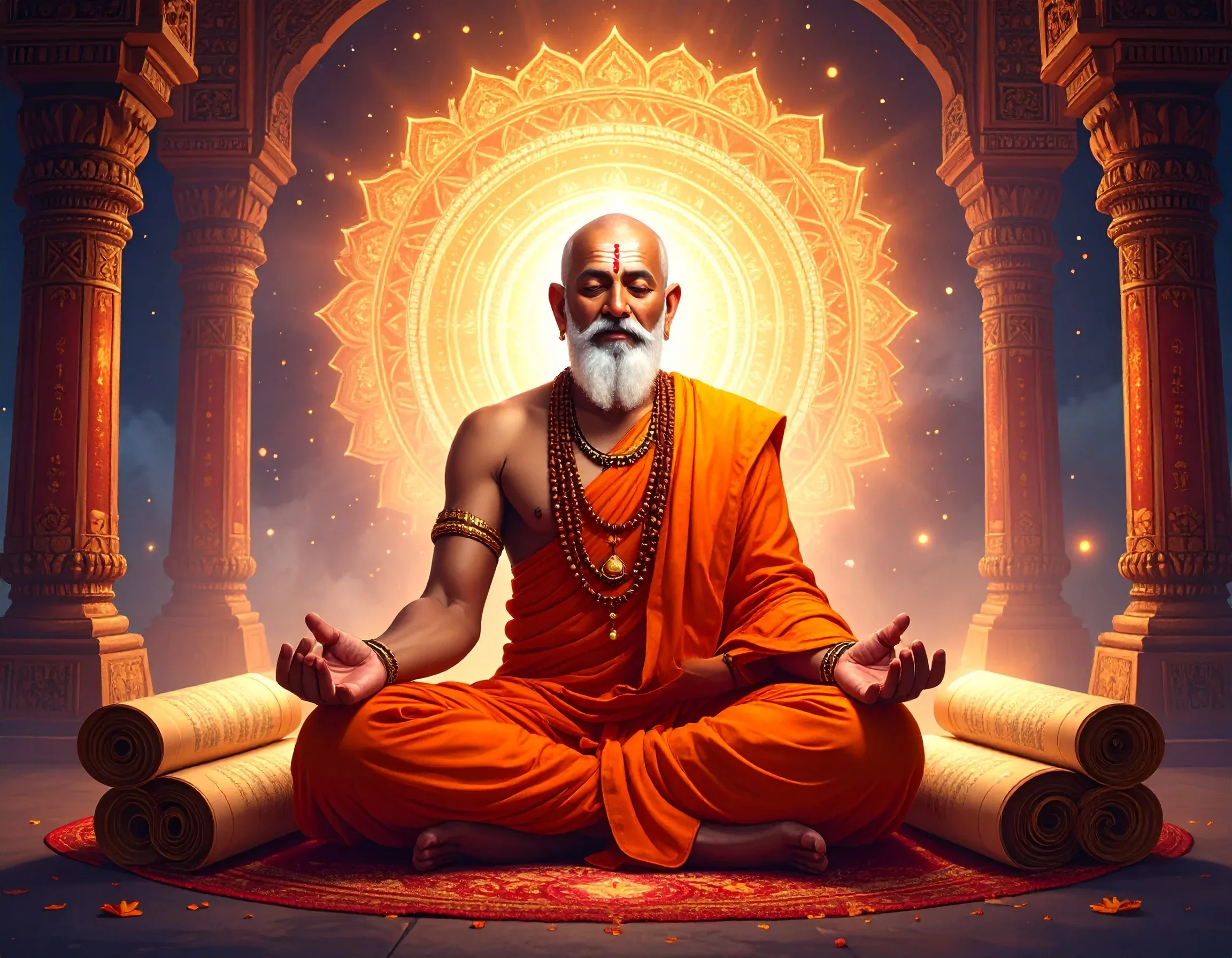
Maharishi Patanjali is considered the Father of Yoga. He compiled the Yoga Sutras, a guide that outlines the philosophy and practices of yoga.
Benefits of Practicing Yoga

Yoga isn’t just about touching your toes. Here are some scientifically-backed benefits:
Physical Benefits
Improves flexibility and posture
Builds strength and muscle tone
Aids in digestion and metabolism
Helps with chronic pain and injury recovery
Mental & Emotional Benefits
Reduces stress and anxiety
Boosts mood and emotional balance
Increases focus and concentration
Enhances sleep quality
A Harvard study found that regular yoga practice significantly lowers cortisol (stress hormone) levels.
🧘♀️ Different Types of Yoga for Beginners
Not all yoga styles are created equal — some are intense and athletic, while others are calming and meditative. If you’re just starting out, picking the right style can make a huge difference in how much you enjoy and stick to your practice.
Here’s a breakdown of the most beginner-friendly types of yoga to help you choose what suits your body and lifestyle best:
1. Hatha Yoga – The Foundation of All Yoga

Best for: Absolute beginners, seniors, people recovering from injury
Hatha Yoga is the most traditional form of yoga and often considered the best starting point. It’s slow-paced, with an emphasis on basic postures, breathwork (pranayama), and relaxation. You’ll hold each pose for a few breaths, which helps improve flexibility, balance, and mind-body awareness.
👉 Think of it as the “ABC” of yoga — simple, structured, and gentle.
Why beginners love it:
Gives time to adjust and understand each pose
Reduces stress and promotes calmness
No rush — go at your own pace
2. Vinyasa Yoga – Flow with Your Breath

Best for: People who like movement, mild cardio, or dance-like routines
Vinyasa (pronounced vin-yah-sa) means “to place in a special way.” In this style, poses are linked together in a flow, guided by your inhale and exhale. You’ll move from one posture to the next without stopping — creating a seamless, almost dance-like experience.
👉 Imagine a graceful choreography of yoga — energizing and fluid.
Why beginners love it:
Boosts energy and stamina
Helps with weight management
Great for people who get bored easily
💡 Tip: If you’re a beginner, look for “Slow Flow Vinyasa” classes.
3. Yin Yoga – Deep Stretch & Stillness
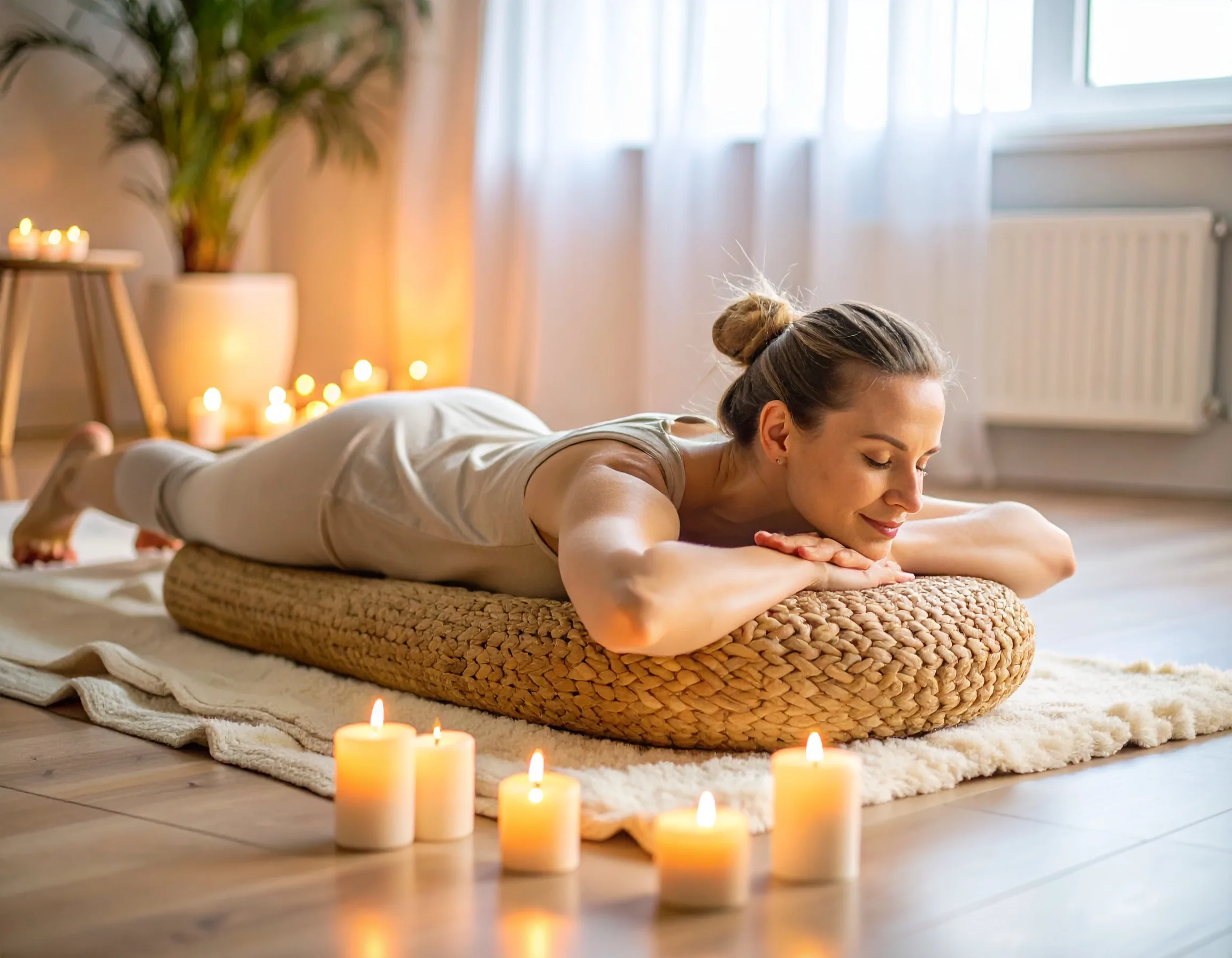
Best for: Flexibility, joint health, calming the mind
Yin Yoga is the opposite of fast-paced Vinyasa. Here, you hold poses for 2–5 minutes or more, targeting deep connective tissues like fascia, ligaments, and joints. The long holds improve flexibility and promote stillness and mindfulness.
👉 Think of Yin as yoga’s version of slow, mindful stretching.
Why beginners love it:
Enhances deep flexibility and patience
Extremely calming — perfect after a long day
Helps release tight hips, back, and hamstrings
4. Yoga Nidra – The Yoga of Sleep

Best for: Insomnia, anxiety, mental relaxation
Yoga Nidra means “yogic sleep.” But don’t worry — you won’t be snoozing through a class. Instead, it’s a guided meditation done lying down, where your mind moves between wakefulness and sleep. It’s like a reset button for your nervous system.
👉 One 30-minute session can feel as restorative as 2 hours of sleep.
Why beginners love it:
No poses — just lie down and listen
Great for overthinkers or stressed-out minds
Enhances sleep quality and emotional well-being
New to yoga? Start with Hatha or Yin Yoga.
How to Get Started With Yoga

Start Slow: Begin with 10–15 minute sessions.
Use Online Resources: YouTube channels like Yoga with Adriene are beginner-friendly.
Wear Comfortable Clothing: Avoid anything too tight or too loose.
Set Up a Calm Space: Preferably with minimal distractions.