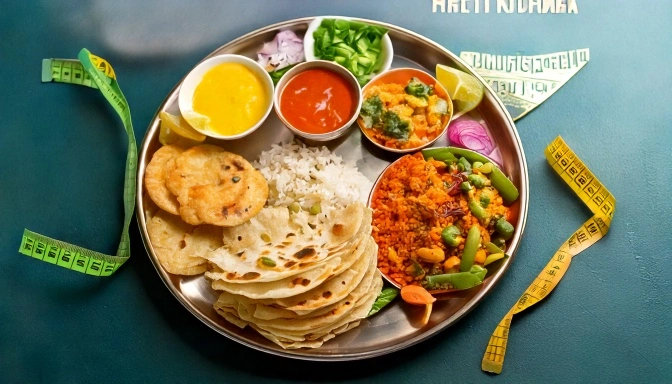
Losing weight is a journey that demands commitment, consistency, and a balanced diet. For many, the biggest hurdle is finding a sustainable, effective diet plan suited to their lifestyle and cultural food preferences. If you’re looking for a healthy Indian diet plan for weight loss, you’ve come to the right place. India boasts a diverse array of foods, many of which are inherently healthy and nourishing. However, modern lifestyles, sedentary habits, and the prevalence of processed foods have contributed to weight gain and various lifestyle-related disorders. A healthy Indian diet can assist you in losing weight while ensuring you receive essential nutrients. In this guide, we’ll explore a healthy Indian weight loss diet, its advantages, and a 7-day meal plan to help you kickstart your journey.
Why Choose an Indian Diet for Weight Loss?
The Indian diet is packed with fiber, protein, healthy fats, and complex carbohydrates, making it a fantastic weight-loss option. Adopting an Indian diet can be advantageous:
- Nutrient-Dense – Indian cuisine features a wide range of vegetables, legumes, whole grains, and spices, providing essential vitamins and minerals.
- High in Fiber – Fiber supports digestion, helps you feel full, and curbs cravings.
- Variety of Choices – With options like dals, sabzis, rotis, and rice, the diverse selection keeps your meals interesting.
- Ayurvedic Advantages – Spices commonly used in Indian cooking, such as turmeric, cumin, and coriander, can enhance digestion and boost metabolism.
- Vegetarian-Friendly – A lot of Indian dishes are plant-based, making them ideal for vegetarians aiming to shed pounds.
How to Create a Healthy Indian Diet Plan for Weight Loss
When crafting a weight loss meal plan, consider these key principles:
- Control Your Portions: Even healthy foods can contribute to weight gain if you overeat. Use smaller plates, measure your portions, and pay attention to your body’s hunger signals.
- Choose Whole Grains: Swap out refined grains like white rice and maida for healthier alternatives such as brown rice, whole wheat, and millet.
- Increase Protein: Intake Protein helps you feel full longer and supports muscle maintenance. Good sources of protein in Indian cuisine include lentils, paneer, tofu, eggs, and yogurt.
- Eat More Vegetables and Fruits: These foods are rich in fiber, vitamins, and minerals, which aid digestion and assist in weight management.
- Include Healthy Fats: Select ghee, coconut oil, nuts, and seeds instead of unhealthy trans fats.
- Stay Hydrated: Drinking plenty of water supports digestion, curbs cravings, and enhances metabolism.
- Avoid Processed and Sugary Foods: Limit your intake of packaged snacks, sugary beverages, and refined foods that can contribute to weight gain.
7-Day Healthy Indian Diet Plan for Weight Loss
Day 1
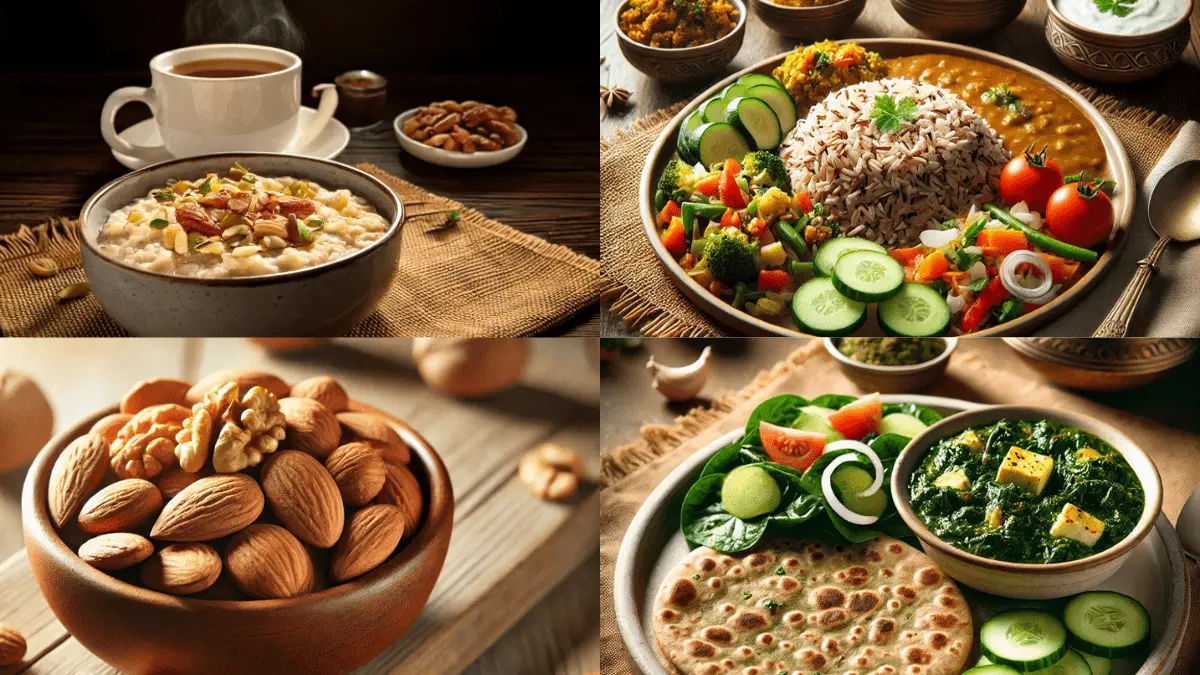
Breakfast: Oats porridge topped with nuts + Herbal tea
Lunch: 1 bowl of brown rice + Dal + Mixed vegetable sabzi + Curd
Snack: A handful of almonds and walnuts
Dinner: 1 roti + Palak paneer + Cucumber salad
Day 2
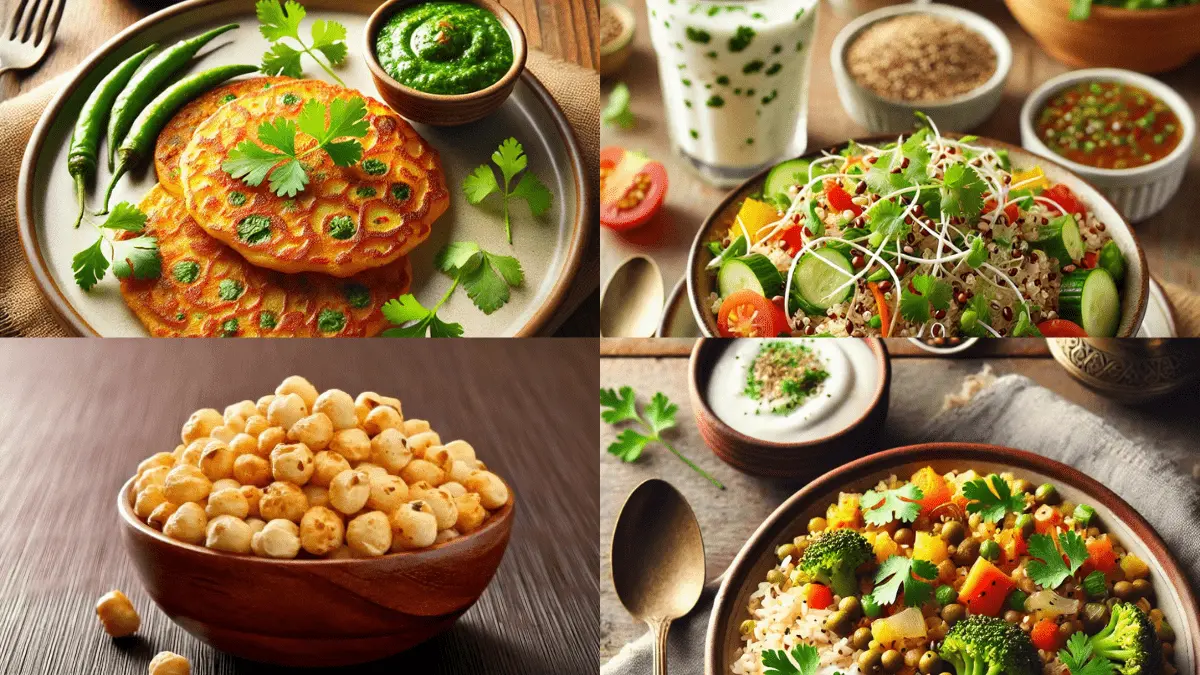
Breakfast: Besan chilla served with mint chutney
Lunch: Quinoa salad with sprouts + Buttermilk
Snack: Roasted makhana
Dinner: 1 bowl of vegetable khichdi + Curd
Day 3
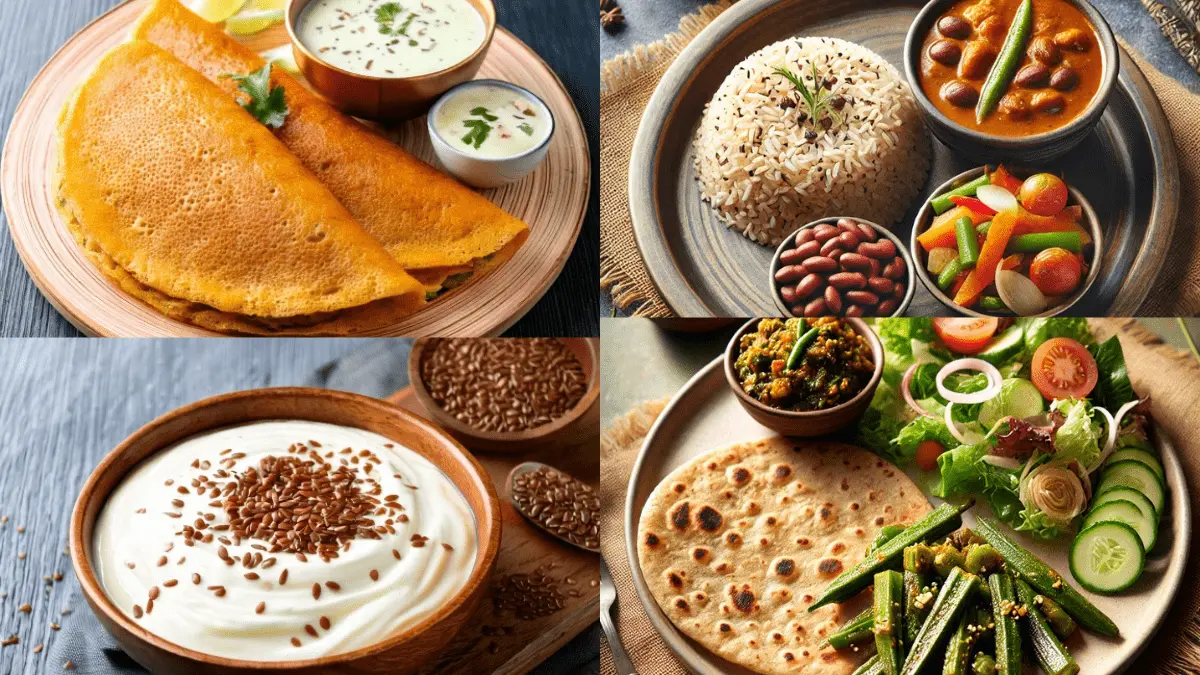
Breakfast: Moong dal dosa with coconut chutney
Lunch: 1 bowl of brown rice + Rajma + Vegetable stir-fry
Snack: Greek yogurt mixed with flaxseeds
Dinner: 1 roti + Bhindi sabzi + Mixed greens salad
Day 4
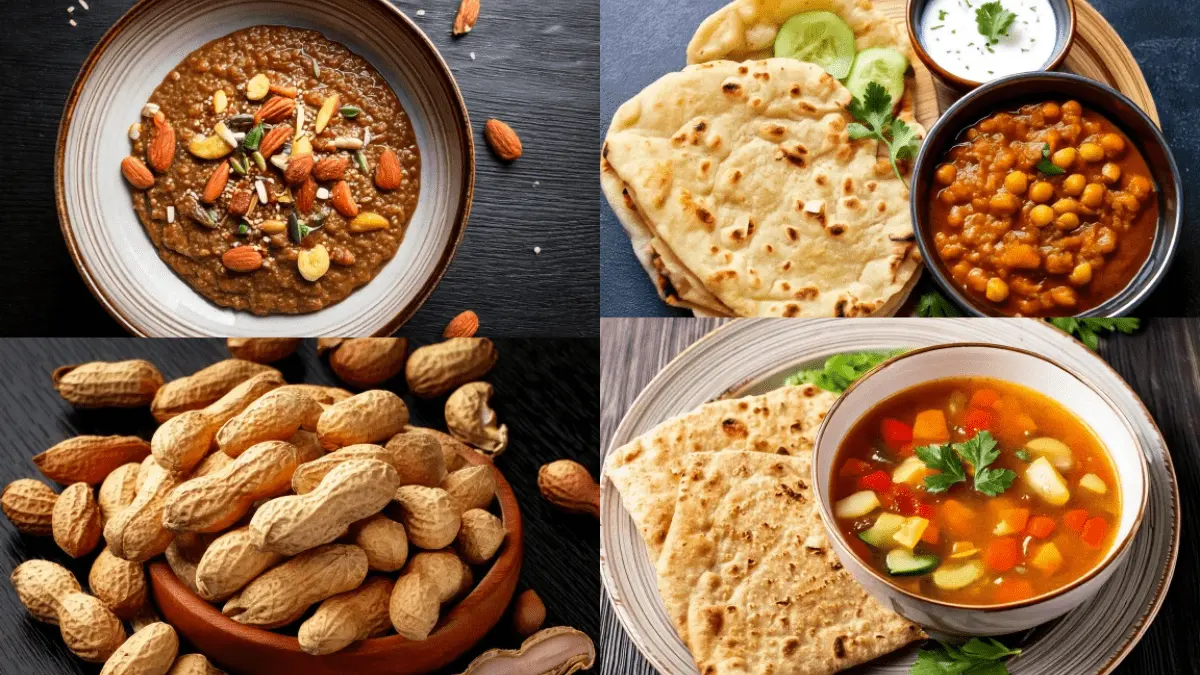
Breakfast: Ragi porridge with dry fruits
Lunch: 1 chapati + Chole + Cucumber raita
Snack: A handful of peanuts
Dinner: Vegetable soup + 1 Multigrain roti
Day 5
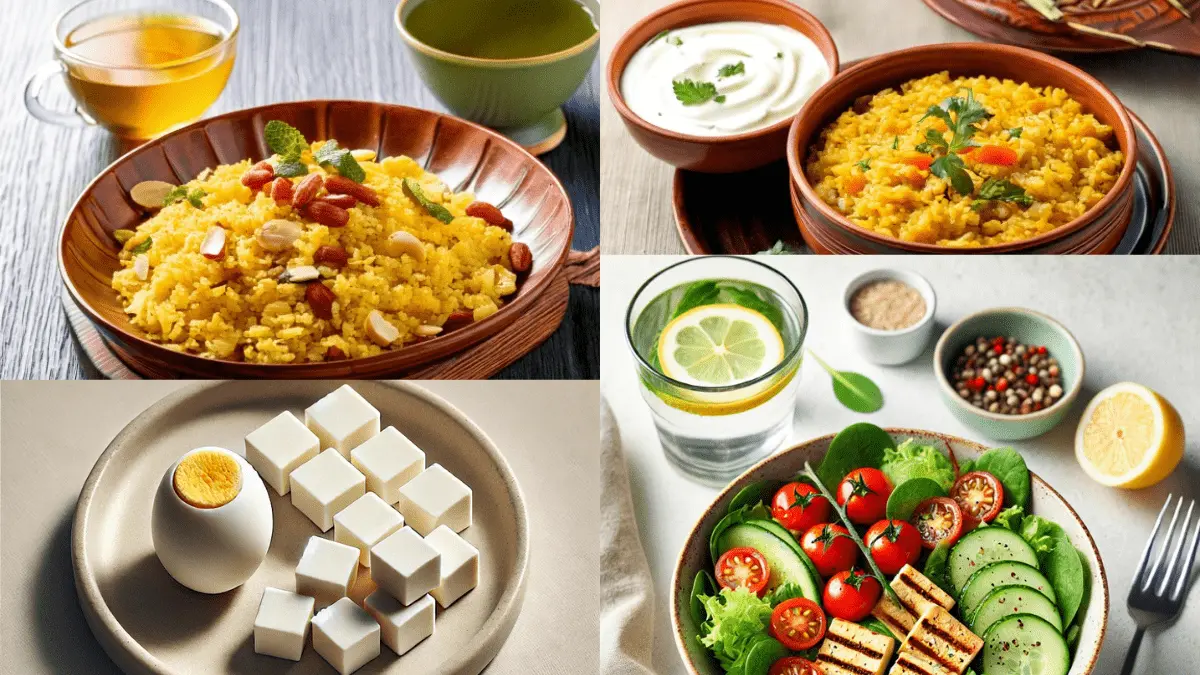
Breakfast: Poha with peanuts + Green tea
Lunch: 1 bowl of millet khichdi + Curd
Snack: 1 boiled egg or paneer cubes
Dinner: Grilled tofu salad + Lemon water
Day 6
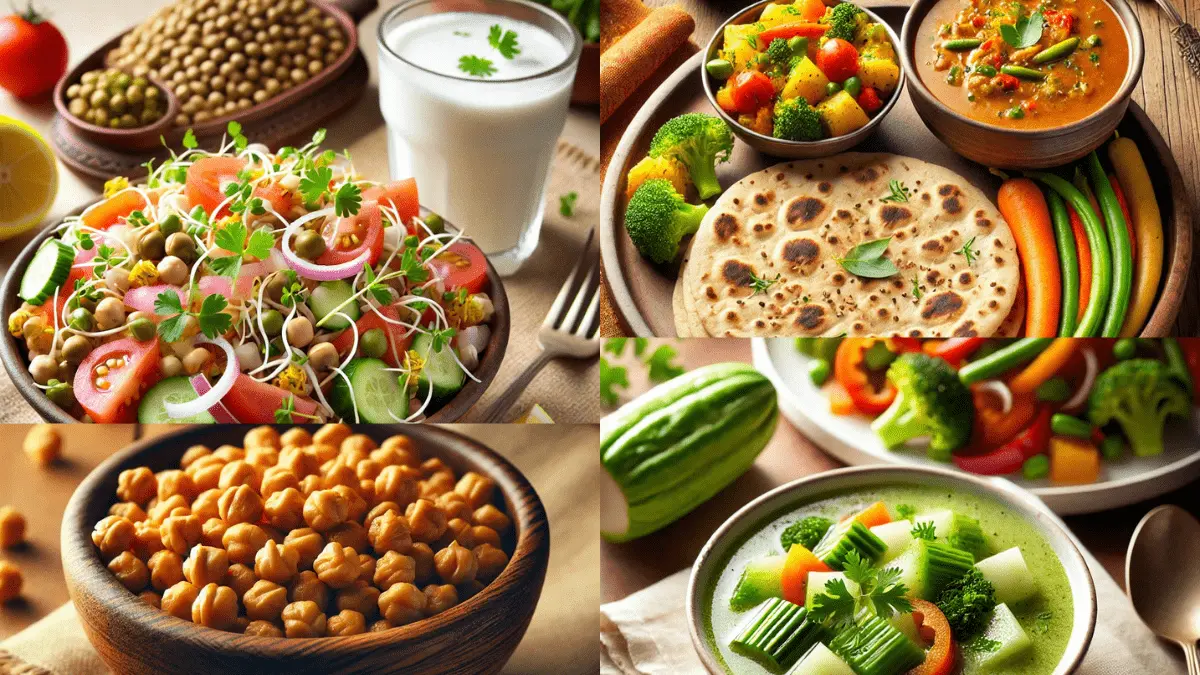
Breakfast: Sprouts salad + Buttermilk
Lunch: 1 roti + Mixed vegetable curry + Dal
Snack: Roasted chana
Dinner: 1 bowl of lauki soup + Vegetable stir-fry
Day 7
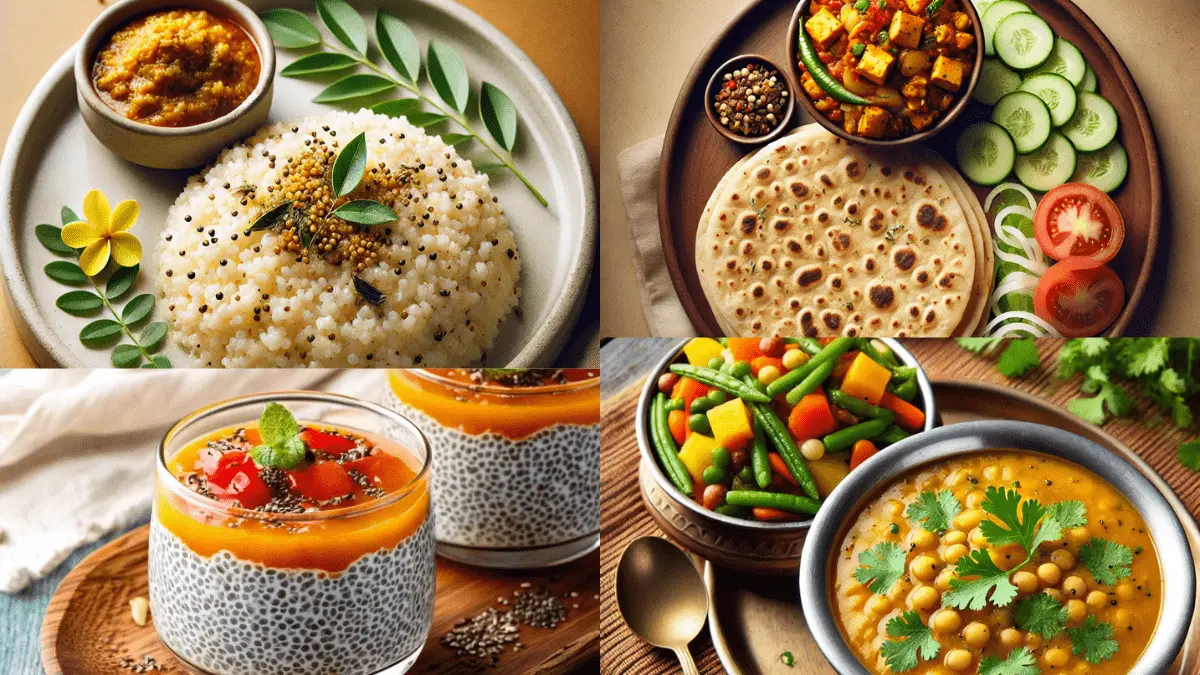
Breakfast: Rava upma with coconut chutney
Lunch: 1 chapati + Paneer bhurji + Cucumber salad
Snack: Chia seed pudding
Dinner: Dal soup + Mixed vegetable sabzi.
Additional Tips for Weight Loss
- Stay active – Incorporate activities like walking, yoga, or gym sessions to support your weight loss journey.
- Be mindful while eating – Take your time and minimize distractions during meals.
- Prioritize sleep – Lack of sleep can elevate hunger hormones, which may result in overeating.
- Consider intermittent fasting – This approach has gained popularity and works well for many individuals.
FAQ (Frequently Asked Questions)
Absolutely! A well-rounded vegetarian diet that includes proteins, healthy fats, and fiber-rich foods can be very effective for weight loss.
Some healthy choices are oats, besan chilla, moong dal dosa, poha, and sprouts.
Yes, you can! Just choose brown rice, quinoa, or millet over white rice, and be mindful of your portion sizes.
Yes, ghee can be beneficial for metabolism and provides healthy fats when consumed in moderation.
The timeline for weight loss varies based on diet, activity level, metabolism, and consistency. A healthy target is to lose about 0.5-1 kg per week.
