
Hormonal imbalances can significantly affect a woman’s overall health. As a result, many women experience symptoms such as weight gain, fatigue, mood swings, acne, and irregular periods.
However, when you understand these symptoms early, it becomes easier to take control. By identifying the root causes and making small lifestyle changes, hormonal balance can be restored naturally.
In this guide, we will explore common hormonal imbalance symptoms in women, their causes, and simple natural solutions. Additionally, you’ll find a healthy Indian diet plan designed to support hormonal balance and weight loss.

According to medical research, hormonal imbalance in women can be influenced by stress, diet, thyroid disorders, and conditions like PCOS.
Common Symptoms of Hormonal Imbalance in Women
While symptoms may vary from person to person, many women experience a similar pattern when hormones fall out of balance.
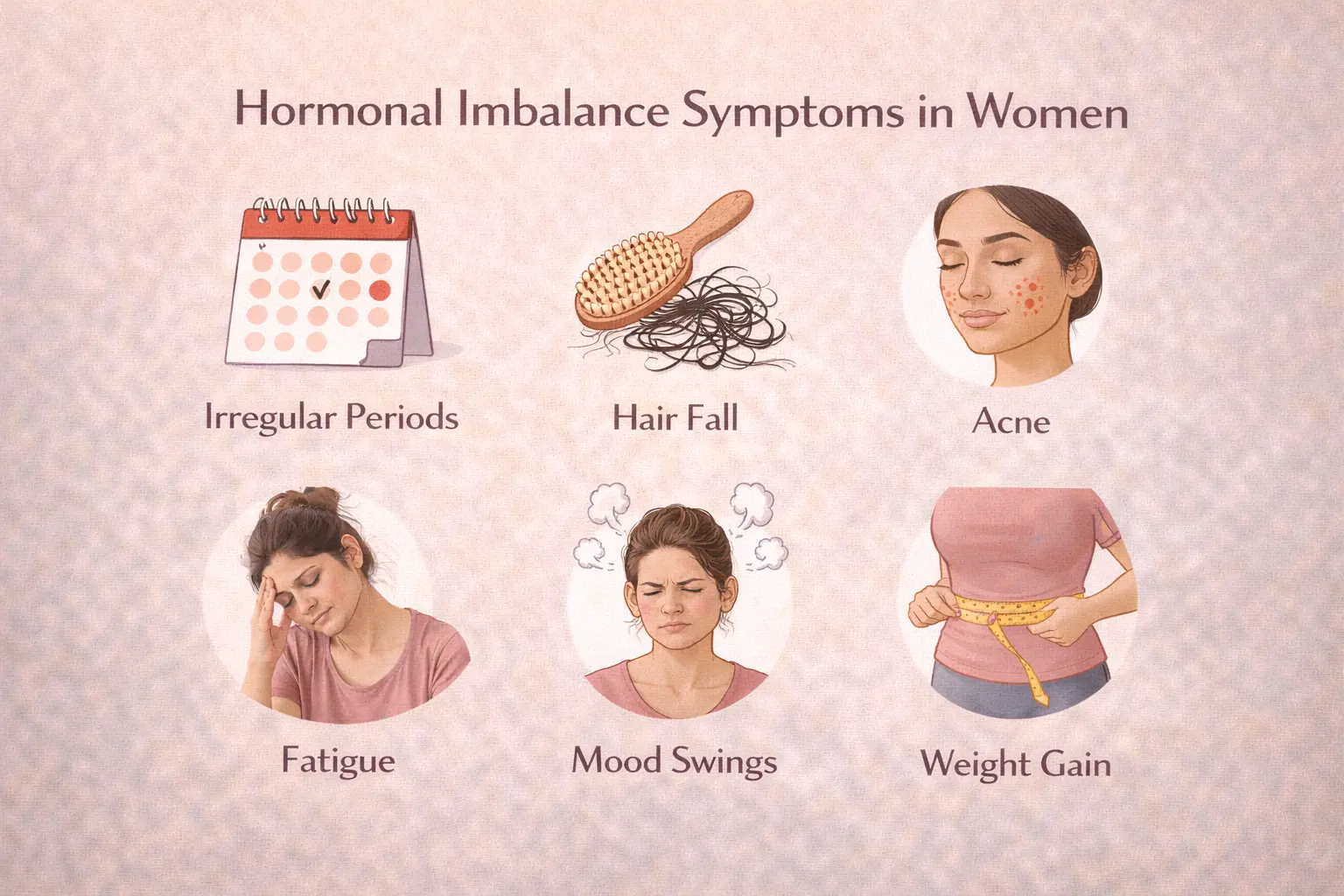
1. Irregular Periods
When hormones fluctuate, it can throw menstrual cycles out of whack, leading to missed periods or heavy bleeding. This is often associated with conditions like PCOS or thyroid issues.
2. Unexplained Weight Gain or Loss
If you notice sudden weight changes, particularly around your midsection, it might be due to hormonal imbalances that affect your metabolism, insulin levels, and thyroid function.
3. Fatigue and Low Energy Levels
Feeling constantly tired, even after a good night’s sleep, could be a sign of imbalances in cortisol, thyroid hormones, or insulin levels.
4. Mood Swings and Anxiety
Changes in hormone levels can affect neurotransmitters, resulting in mood swings, anxiety, or even feelings of depression.
5. Hair Thinning or Hair Loss
An excess of androgens (male hormones) or thyroid imbalances can lead to hair loss and thinning, especially in women dealing with PCOS.
6. Acne and Skin Issues
Hormonal acne, particularly around the jawline and chin, is often tied to high levels of androgens, insulin resistance, or an imbalance between estrogen and progesterone.
7. Sleep Disturbances
Low levels of progesterone can disrupt sleep, while elevated cortisol levels from stress can contribute to insomnia.
8. Digestive Issues
Experiencing bloating, constipation, or diarrhea? These can be linked to stress hormones and imbalances in gut bacteria, often due to estrogen dominance.
Causes of Hormonal Imbalance

Several factors can disrupt hormonal balance in women. Most often, these causes are linked to daily lifestyle habits and underlying health conditions.
Stress
When stress becomes chronic, cortisol levels rise. As a result, other hormones such as insulin and thyroid hormones are affected.
Poor Diet
A diet high in sugar and processed foods can interfere with hormone production. Moreover, nutrient deficiencies make the imbalance worse.
Sedentary Lifestyle
Lack of physical activity slows metabolism and reduces insulin sensitivity, which directly impacts hormonal health.
Thyroid Disorders
Conditions like hypothyroidism and hyperthyroidism significantly affect energy levels, metabolism, and weight.
Polycystic Ovary Syndrome (PCOS)
This common condition causes excess androgen production. Therefore, symptoms like irregular periods, acne, and weight gain appear.
Menopause
As estrogen levels decline with age, women may experience hot flashes, sleep issues, and mood swings.
Healthy Indian Diet Plan for Hormonal Balance & Weight Loss

Morning Detox (6:00 AM – 7:00 AM)
Start your day with a refreshing glass of warm water mixed with lemon, ginger, and honey, or try sipping on some water infused with soaked fenugreek seeds.
Breakfast (8:00 AM – 9:00 AM)
Enjoy a hearty breakfast with multigrain roti paired with paneer or tofu bhurji. You could also opt for oats porridge topped with nuts and seeds, or a tasty poha loaded with veggies and flaxseeds.
Why this works: A protein-rich breakfast helps stabilize blood sugar and insulin levels, reducing fatigue, cravings, and mid-morning energy crashes caused by hormonal fluctuations.
Mid-Morning Snack (11:00 AM)
Grab a handful of almonds and walnuts for a quick energy boost, and wash it down with some green tea or refreshing coconut water.
Lunch (1:00 PM – 2:00 PM)
For lunch, dig into some brown rice or quinoa served with dal and sabzi. If you’re in the mood for something different, grilled fish or paneer alongside a bowl of curd is a great choice. Don’t forget to add a sprouted moong salad drizzled with lemon dressing!
Why this works: A balanced lunch with complex carbs, protein, and healthy fats supports thyroid function, maintains steady energy levels, and prevents cortisol spikes linked to hormonal imbalance.
Evening Snack (4:00 PM – 5:00 PM)
Snack time? Enjoy some roasted makhana or chana, paired with a soothing cup of herbal tea infused with turmeric and cinnamon.
Dinner (7:00 PM – 8:00 PM)
Wind down your day with a warm vegetable soup and some whole-grain bread. If you’re feeling a bit more indulgent, grilled chicken or tofu with sautéed vegetables is sure to satisfy. Alternatively, a comforting bowl of khichdi with ghee and curd is always a winner.
Why this works: A light, nutrient-dense dinner supports digestion and better sleep, helping regulate cortisol and melatonin—two key hormones for recovery and hormonal balance.
Before Bed (9:30 PM – 10:00 PM)
End your day on a cozy note with a glass of warm milk sprinkled with nutmeg or a calming cup of chamomile tea.
If you’re following intermittent fasting or home workouts along with diet, hormonal balance can improve even faster.