
Intermittent fasting (IF) has really taken off as a go-to method for shedding pounds, increasing energy levels, and enhancing overall well-being.
If you’re just starting out, you might be asking yourself, “What is intermittent fasting all about? How does it actually work? And, perhaps most crucially, is it the right fit for me?” No need to stress!
We’re here to simplify it all for you, breaking down the essentials of IF so you can grasp everything you need to know and figure out how to make it work in your life.
What is Intermittent Fasting?
Intermittent fasting isn’t your typical diet. Instead, it’s more of a way to eat that involves alternating between times when you eat and when you fast.
The emphasis here isn’t really on the types of food you consume, but rather on the timing of your meals.
How Does Intermittent Fasting Work?
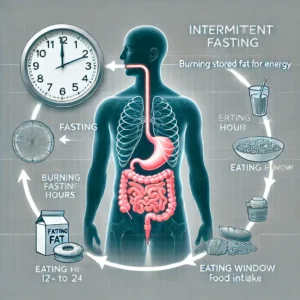
During fasting, your body taps into its stored energy, mainly fat, instead of relying on food for fuel.
Think of it as a little vacation for your digestive system, giving it a chance to rest while your body works on burning fat and enhancing its overall function.
Those who embrace intermittent fasting usually refrain from eating for anywhere between 12 to 24 hours, followed by a designated time frame to enjoy their meals.
Popular Intermittent Fasting Methods:
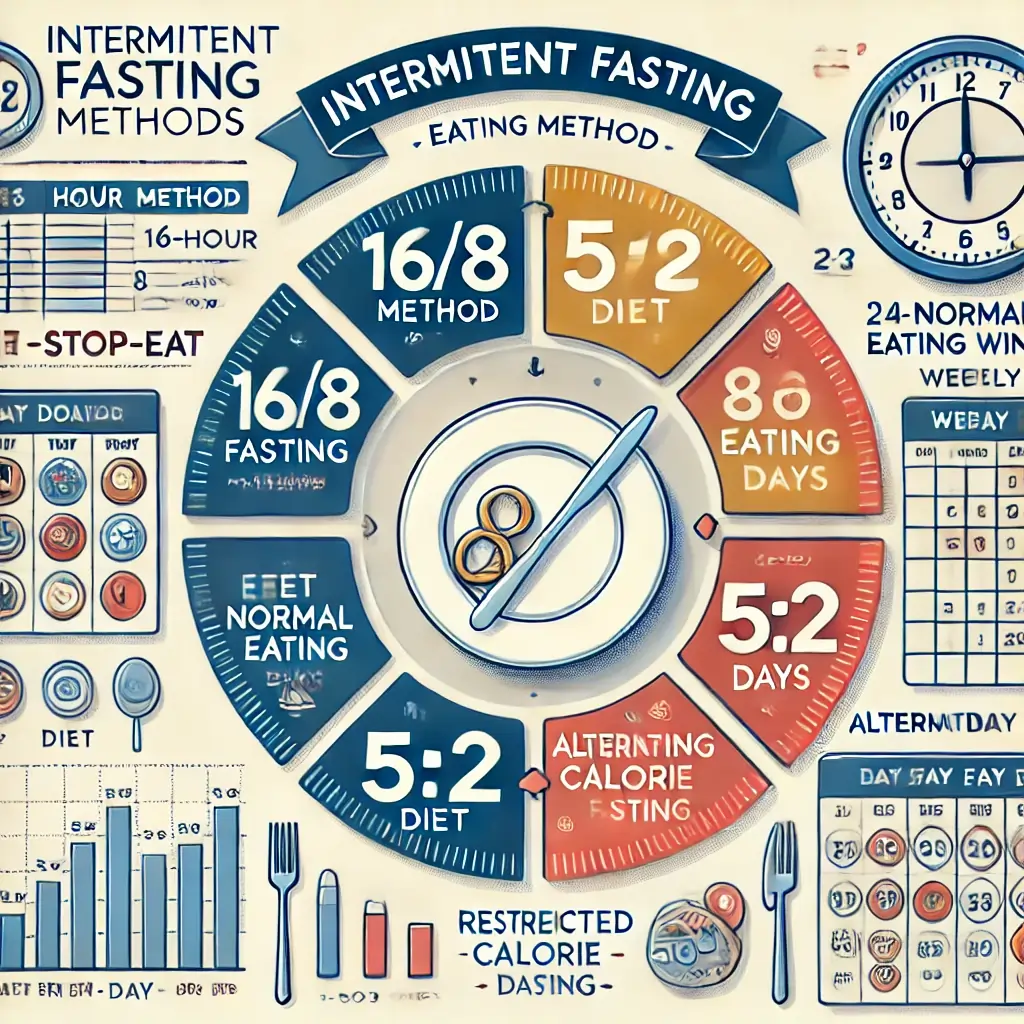
Here are the most common ways people follow IF:
The 16/8 Method
This is the most popular method, where you fast for 16 hours and eat during an 8-hour window. For example, you could eat from 12 pm to 8 pm and fast from 8 pm to 12 pm the next day.
The 5:2 Diet
This method involves eating normally for 5 days a week and restricting calories to 500-600 calories on the other 2 days.
Eat-Stop-Eat
This involves fasting for 24 hours, once or twice a week. For example, you would stop eating at dinner one day and not eat again until dinner the next day.
Alternate-Day Fasting
As the name suggests, you alternate between fasting days and normal eating days.
Benefits of Intermittent Fasting
Many people try intermittent fasting for weight loss, but the benefits go beyond just that! Here are some of the amazing things IF can do for your body:
Helps with Weight Loss
Since you’re eating fewer meals, you naturally consume fewer calories. Plus, your body starts burning stored fat for energy during the fasting periods.
Improves Insulin Sensitivity
IF can help lower blood sugar levels, which is great for people with type 2 diabetes or those at risk.
Boosts Brain Health
Fasting triggers the release of brain-derived neurotrophic factor (BDNF), which supports brain function and helps prevent neurodegenerative diseases.
Reduces Inflammation
Studies have shown that intermittent fasting can help reduce inflammation in the body, leading to better overall health.
Improves Heart Health
IF has been shown to lower blood pressure, reduce cholesterol, and improve heart health markers.
What to Eat During Your Eating Window?
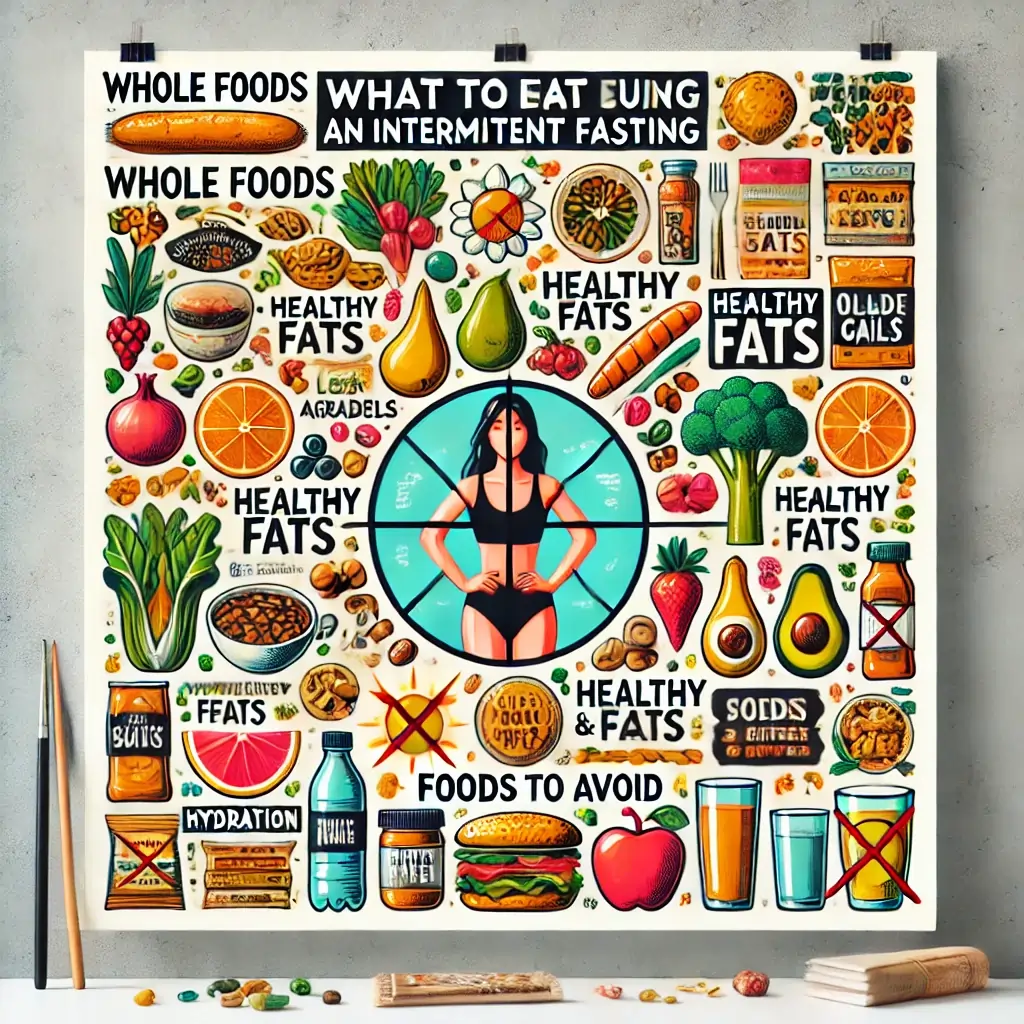
While intermittent fasting focuses on when you eat, it’s important to choose healthy, nutritious foods during your eating window. Here are some ideas:
Whole foods
Fruits, vegetables, whole grains, and lean proteins like chicken, fish, and beans.
Healthy fats
Avocados, nuts, olive oil, and fatty fish like salmon.
Hydration
Drink plenty of water throughout the day. Herbal teas and black coffee are also great during fasting periods.
Note: Avoid processed, sugary foods, as they can spike your blood sugar and make it harder to stick with fasting.
Is Intermittent Fasting Safe?
Intermittent fasting is safe for most people, but it’s important to listen to your body. If you have any health conditions (like diabetes, eating disorders, or if you’re pregnant), it’s best to talk to a doctor before trying IF.
Some people may feel a bit light-headed or irritable when they first start fasting, but those feelings usually pass as your body adjusts.
According to Healthline, intermittent fasting can be safe for many people when done correctly, but it may not be suitable for everyone, especially during pregnancy or certain medical conditions.
Pingback: Home Workouts for Women: Stay Fit Without the Gym -