
Ayurveda isn’t new—it’s been part of Indian households for centuries. But recently, it’s trending again worldwide as people search for natural, affordable ways to stay healthy. Wellness enthusiasts are looking beyond supplements and returning to what’s already in their spice racks.
Imagine this: you have a cough, and your grandmother makes you warm turmeric milk. Or when your stomach hurts, she reaches for ajwain seeds. These little kitchen remedies are what Ayurveda has always promoted—food as medicine.
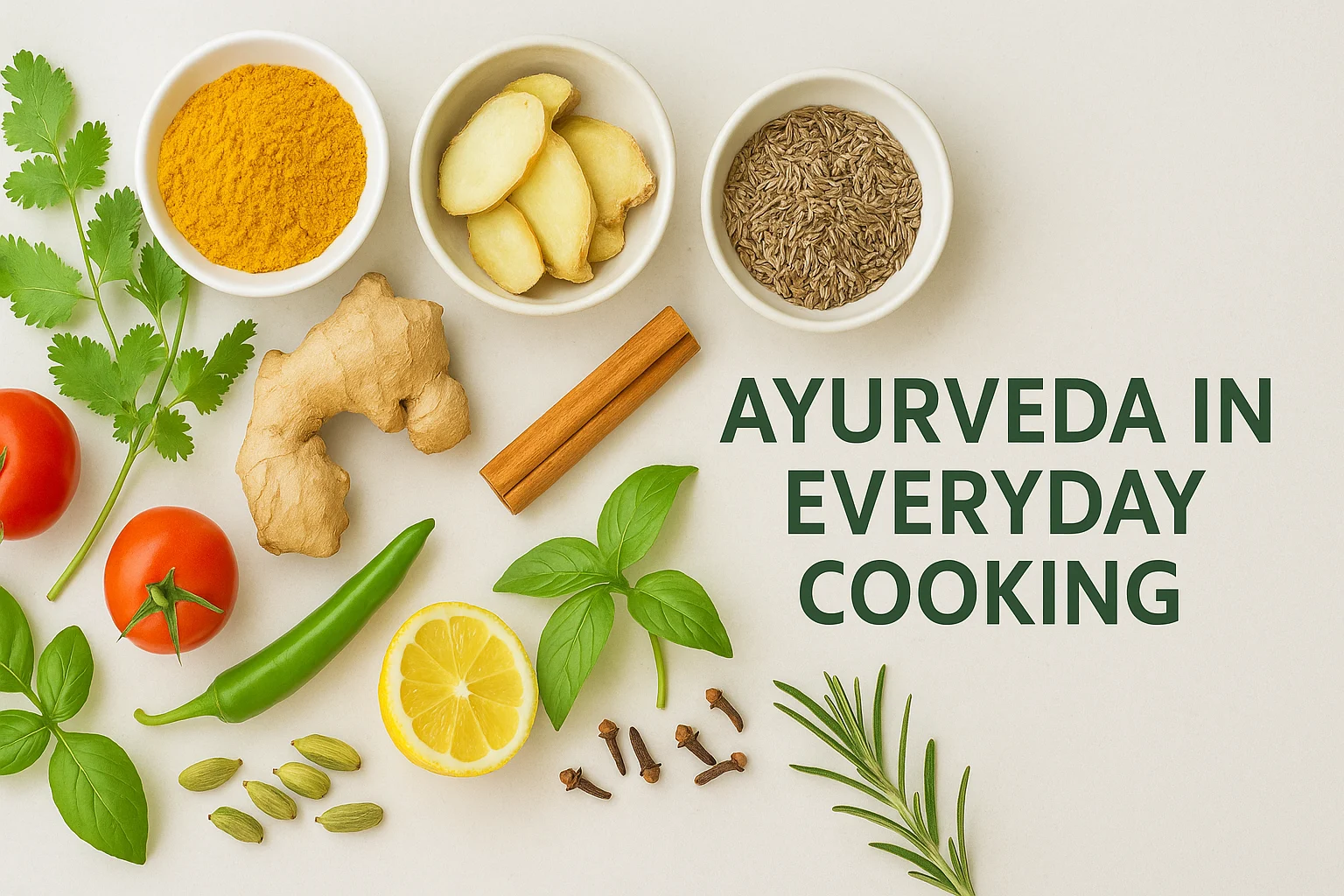
Today, let’s explore the Ayurvedic power of everyday Indian spices—how they heal, how you can use them daily, and why they’re worth more than fancy imported supplements.
What is Ayurveda in Everyday Cooking?
Ayurveda teaches that food is not just fuel—it’s medicine. Spices and herbs balance the body’s doshas (Vata, Pitta, Kapha) and keep digestion strong, which Ayurveda considers the root of health.
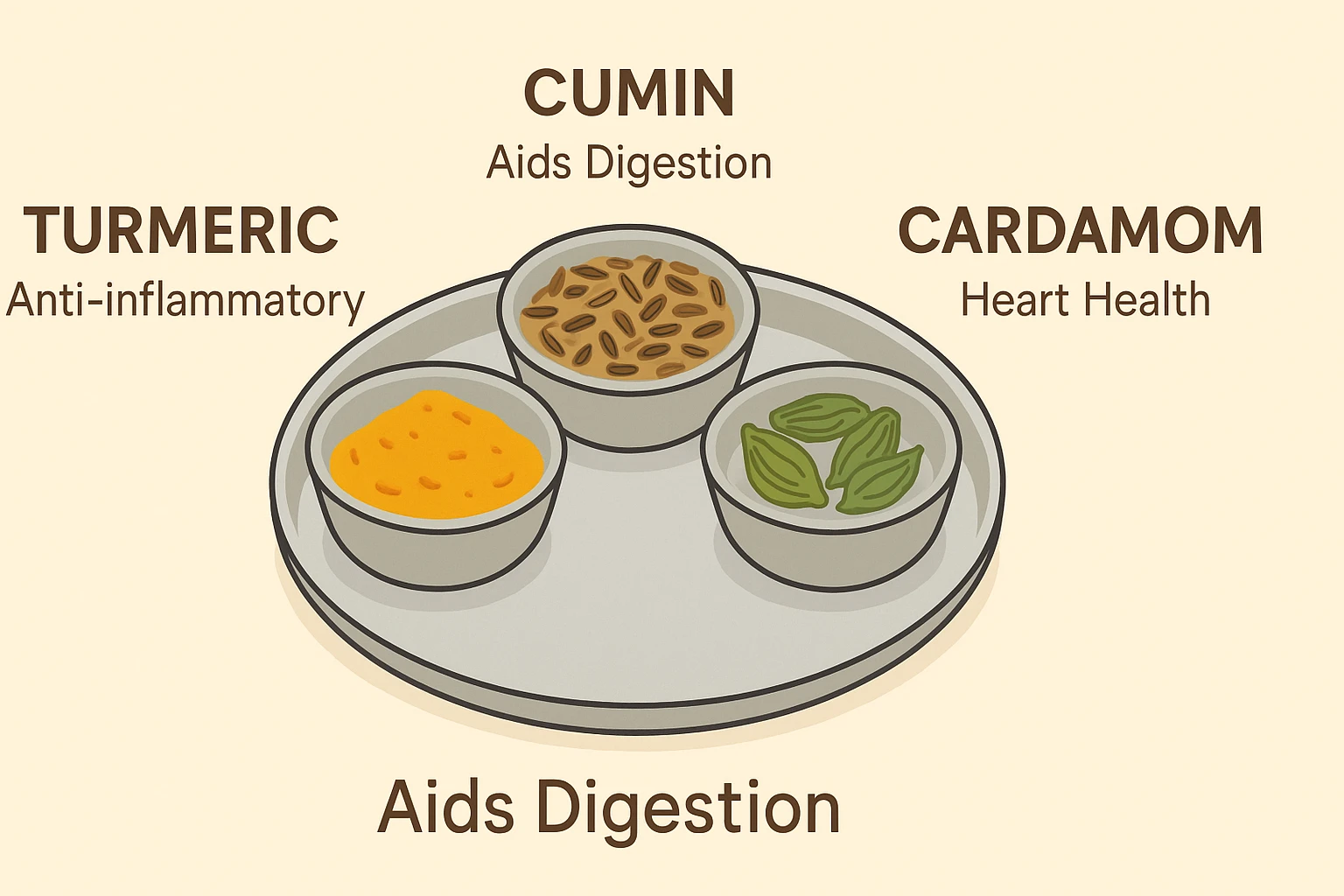
Unlike complicated treatments, Ayurveda in cooking is simple. You don’t need rare herbs. Just everyday spices like:
Turmeric (haldi)
Ginger (adrak)
Cumin (jeera)
Ajwain
Cinnamon (dalchini)
Cloves (laung)
Cardamom (elaichi)
These kitchen staples aren’t just flavor enhancers. They’re natural healers hiding in plain sight.
1. Turmeric (Haldi) – The Golden Healer

If Ayurveda had a crown jewel, it would be turmeric. Known as “Haridra” in Sanskrit, this bright yellow spice contains curcumin, a compound famous for its anti-inflammatory, antibacterial, and antioxidant powers. That’s why haldi doodh (turmeric latte) has gone from dadi’s nuskha to a global health trend.
Benefits:
Boosts immunity and fights infections
Speeds up wound healing (haldi paste is still used for cuts and burns)
Reduces joint pain and stiffness, especially in arthritis
Improves skin glow and reduces acne
Daily Use: Add a pinch to curries, soups, or warm milk before bed. Blend in smoothies for a golden boost.
2. Ginger (Adrak) – The Digestive Fire

In Ayurveda, ginger is called Vishvabhesaj—the universal medicine. Fresh or dry, ginger sparks up your digestive fire (Agni), which is the root of good health in Ayurveda. Ever noticed how ginger tea instantly soothes nausea or a heavy stomach? That’s its magic.
Benefits:
Aids digestion and prevents bloating
Relieves nausea, motion sickness, and morning sickness
Improves blood circulation and keeps extremities warm
Acts as a natural remedy for coughs and colds
Daily Use: Make adrak wali chai, chew a small raw slice with salt before meals, or add grated ginger to dals and sabzis.
3. Cumin (Jeera) – The Cooling Spice
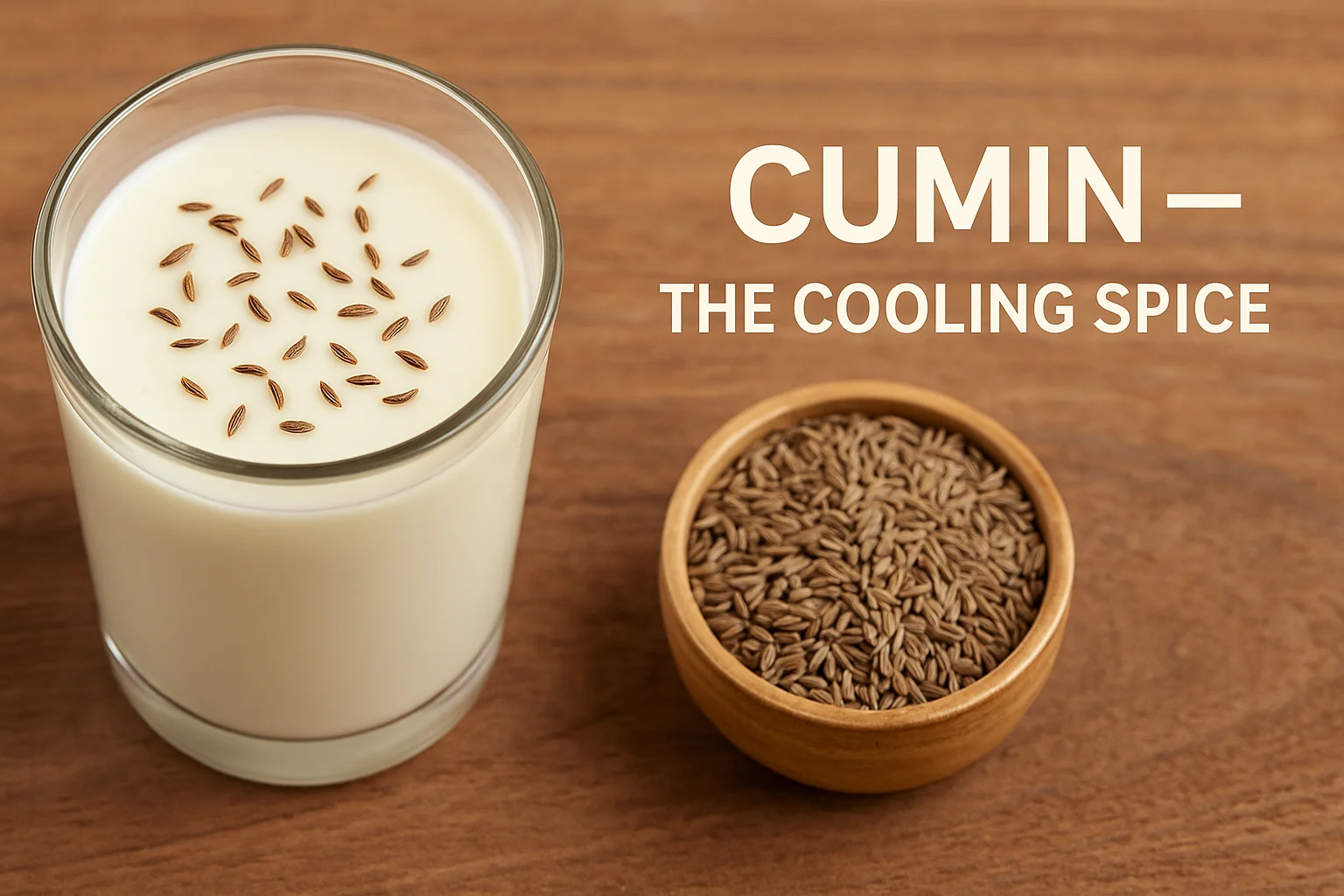
Jeera isn’t just for tadka—it’s a natural coolant and detoxifier. Ayurveda says cumin balances Agni without overheating the body. That’s why chaas with jeera is a must in Indian summers.
Benefits:
Reduces acidity, bloating, and indigestion
Supports weight management by improving metabolism
Helps regulate blood sugar levels naturally
Daily Use: Roast and grind cumin for spice mixes, sprinkle into buttermilk (jeera chaas), or add to soups and curries.
- Pure Organio Organic Jeera Whole (350g)
- Pure Organio Organic Jeera Powder (350g)
4. Ajwain – The Stomach’s Best Friend

Every Indian mom knows ajwain as the ultimate stomach savior. Chewing a handful after a heavy meal instantly eases gas and cramps. In Ayurveda, ajwain balances Vata and kindles digestive fire.
Benefits:
Relieves indigestion, gas, and stomach cramps
Clears cough and cold with its warming effect
Improves appetite and digestion in kids and adults
Daily Use: Chew roasted ajwain with black salt, knead it into paratha dough, or boil ajwain in water for a soothing drink.
5. Cinnamon (Dalchini) – The Sweet Protector

Dalchini is sweet, warming, and protective. Ayurveda uses it to balance Kapha dosha and improve circulation. Today, even modern science agrees that cinnamon helps control blood sugar.
Benefits:
Lowers cholesterol and blood sugar levels
Improves insulin sensitivity (great for pre-diabetics)
Enhances memory and brain function
Daily Use: Sprinkle a pinch on oatmeal, coffee, or warm milk. Use in curries or desserts for flavor and health.
6. Cloves (Laung) – The Natural Pain Reliever
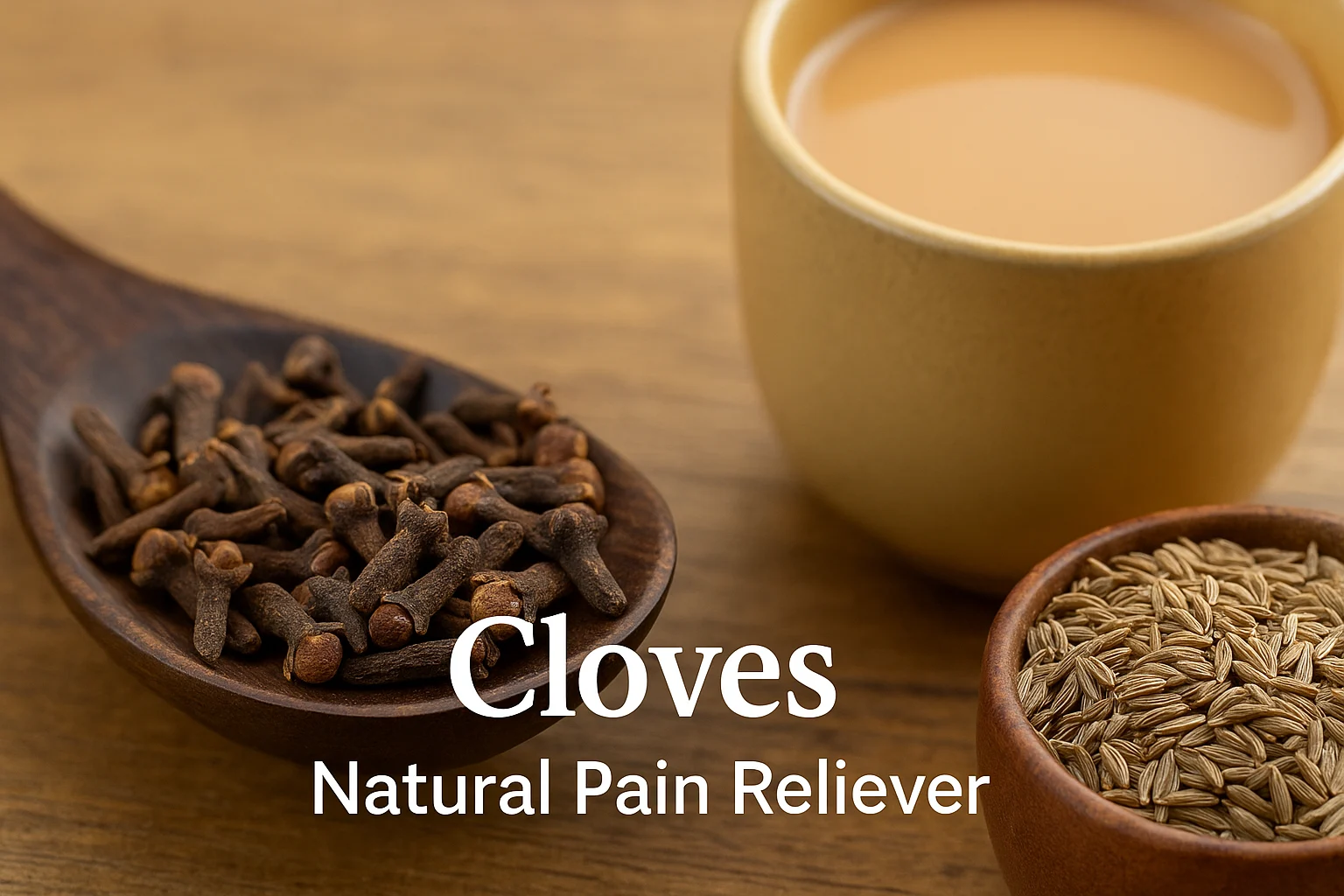
Small but mighty, cloves are packed with eugenol, a natural painkiller and antibacterial compound. That’s why laung is a go-to home remedy for toothache.
Benefits:
Soothes toothache and sore throat
Clears cough and congestion
Protects against harmful bacteria
Daily Use: Add to masala chai, biryani, or chew gently for toothache relief.
7. Cardamom (Elaichi) – The Sweet Breath Freshener
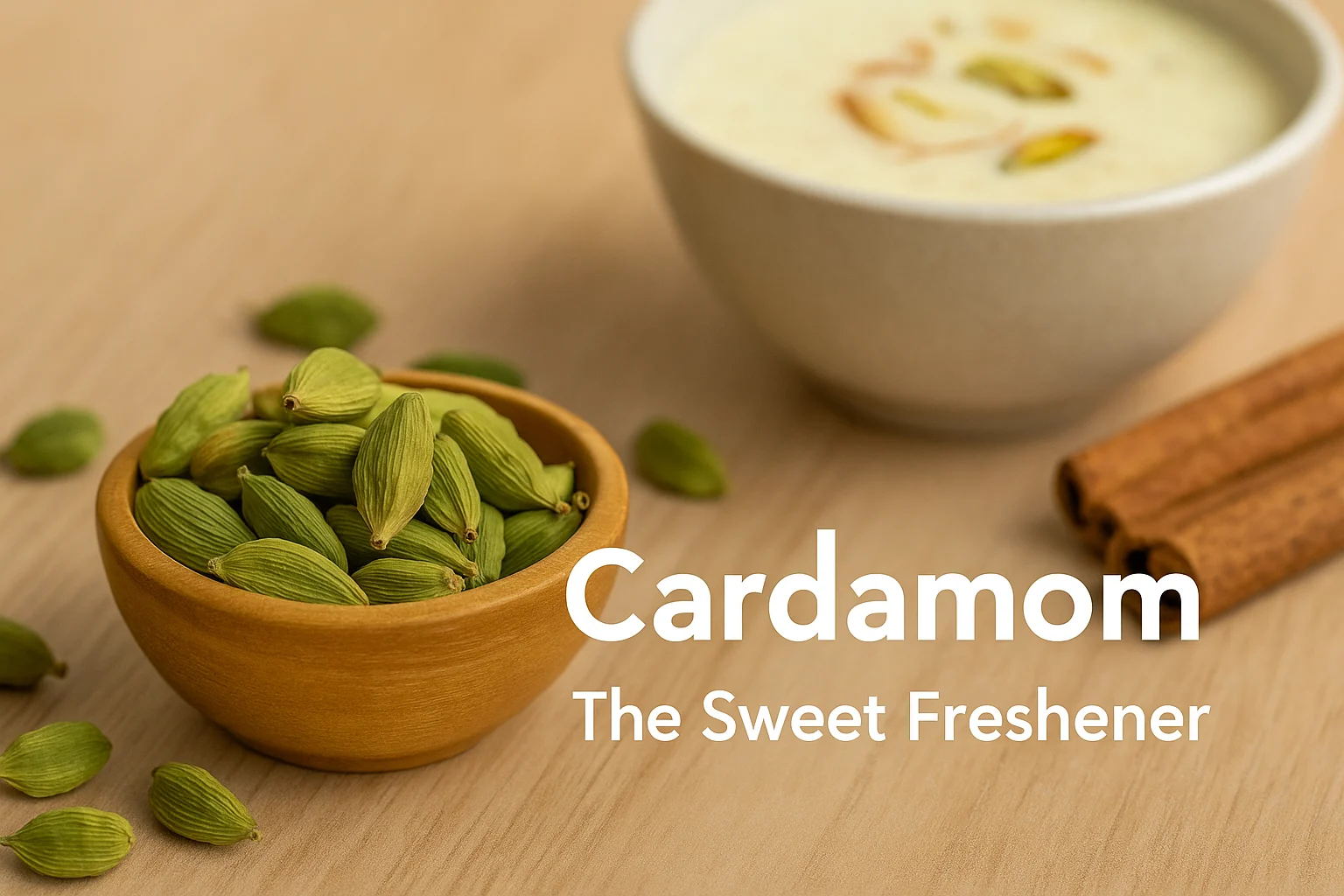
Elaichi isn’t just for flavor—it’s a natural detoxifier. In Ayurveda, it balances all three doshas and uplifts mood. That’s why cardamom is added to sweets, kheer, and even chai.
Benefits:
Relieves acidity and indigestion
Acts as a mild detox for kidneys and lungs
Freshens breath and calms the mind
Daily Use: Add to desserts, chai, or chew a pod after meals as a natural mouth freshener.