Having a healthy gut is key to good digestion, a strong immune system, and overall well-being. Your gut is home to trillions of bacteria that play a vital role in keeping you healthy. When your gut health is off balance, you may experience bloating, indigestion, fatigue, or even mood changes.
The good news is that you can naturally improve your gut health with simple lifestyle changes. Ready to get started? Follow these easy tips to support a healthier, happier gut!
Best Ways to Improve Gut Health
1. Eat a Fiber-Rich Diet
Fiber acts as food for gut bacteria, promoting their growth and diversity. A diet rich in fiber helps digestion and prevents constipation.
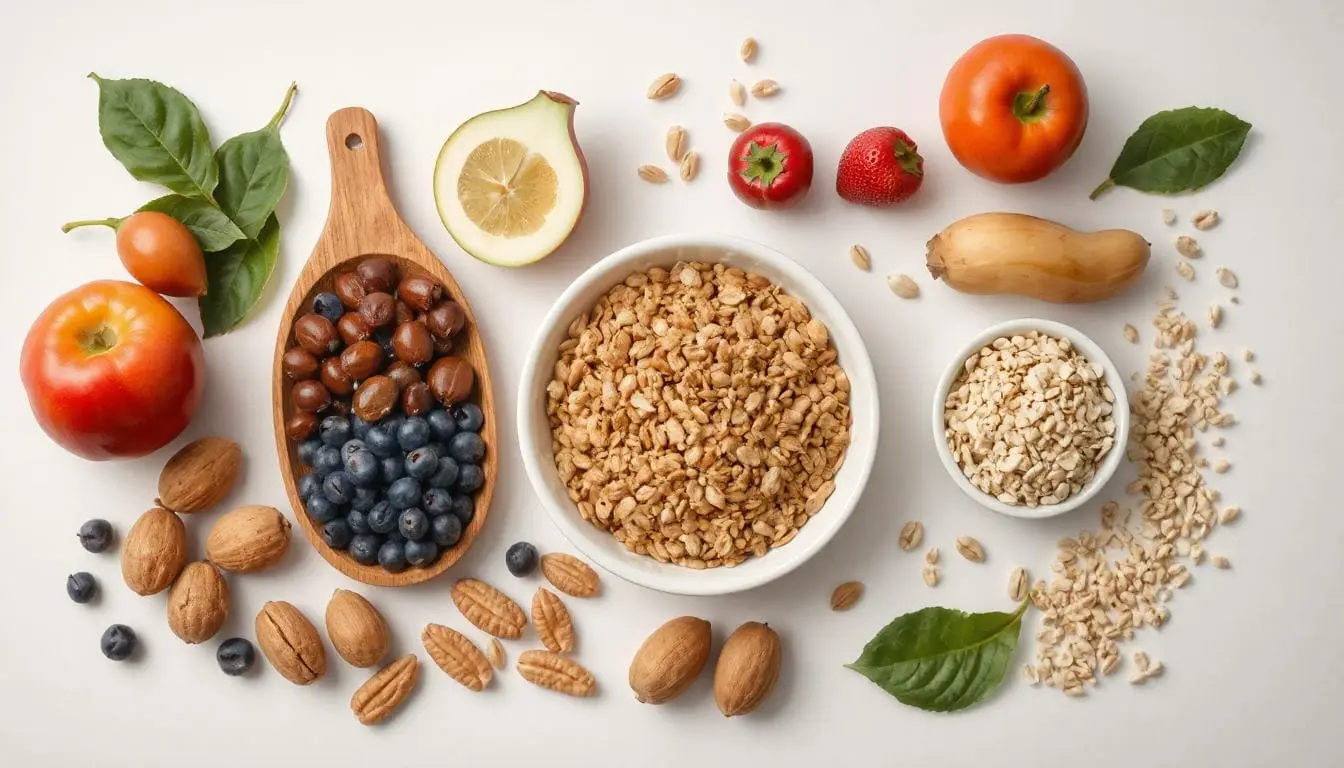
Best Fiber-Rich Foods:
- Whole grains (oats, quinoa, brown rice)
- Legumes (lentils, beans, chickpeas)
- Fruits (apples, bananas, berries)
- Vegetables (broccoli, spinach, carrots)
- Nuts and seeds (chia seeds, flax-seeds, almonds)
2. Include Probiotics and Fermented Foods
Probiotics are live bacteria that enhance gut flora and improve digestion. Fermented foods are natural sources of probiotics.

Best Probiotic-Rich Foods:
- Yogurt with live cultures
- Kefir
- Sauerkraut
- Kimchi
- Kombucha
- Miso and tempeh
3. Stay Hydrated
Drinking enough water supports digestion, nutrient absorption, and bowel movements. Aim for at least 8 glasses of water daily. Herbal teas like ginger and peppermint also aid gut health.

4. Reduce Sugar and Processed Foods
High sugar intake feeds harmful bacteria and disrupts the gut microbiome. Processed foods contain preservatives and additives that may lead to inflammation and digestive issues.
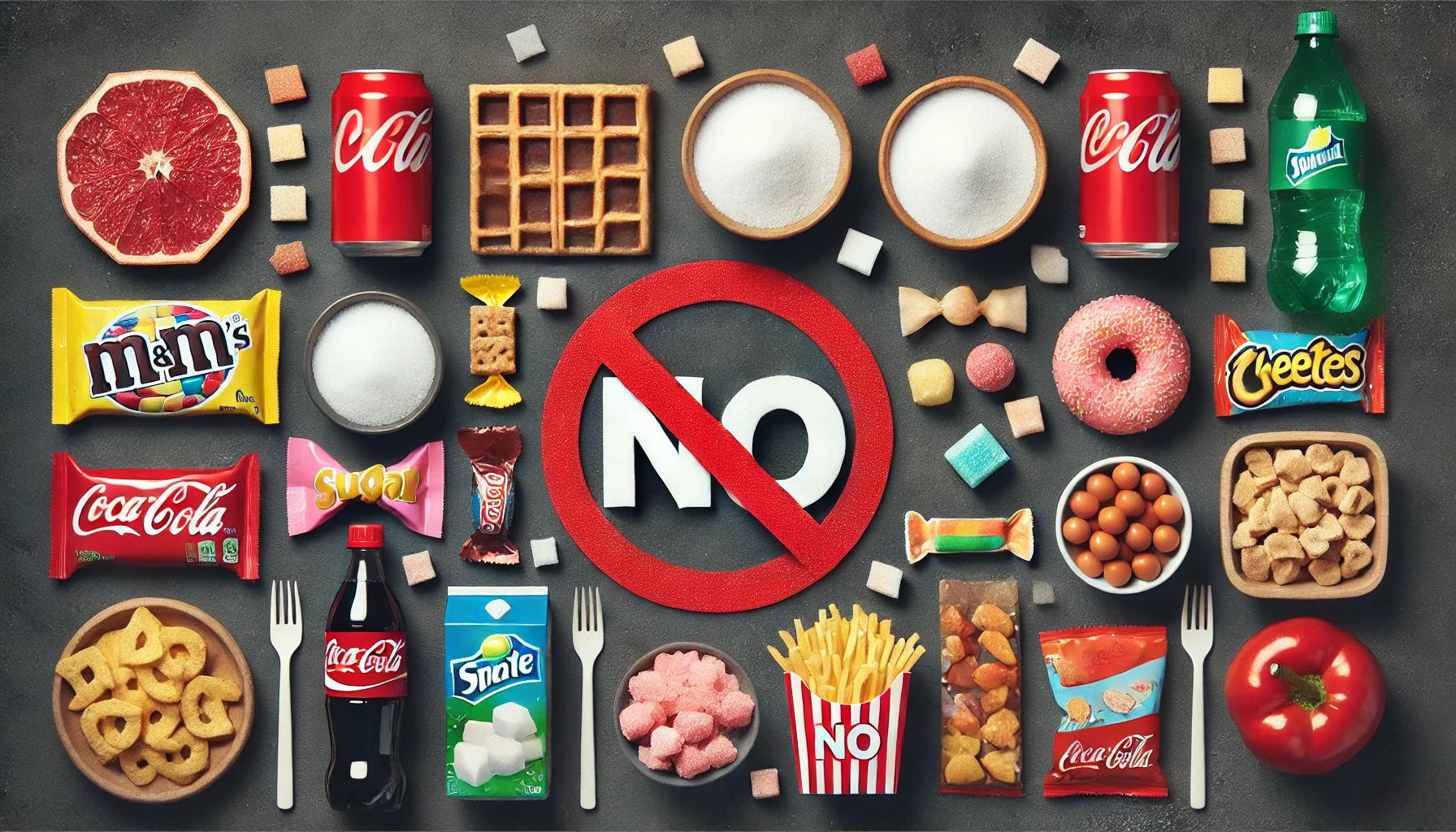
Healthier Alternatives:
- Replace refined sugar with honey or maple syrup
- Opt for whole, unprocessed foods
- Eat fresh fruits instead of sugary snacks
5. Manage Stress Levels
Chronic stress negatively affects gut bacteria and digestion. Practicing stress management techniques can improve gut health.

Effective Stress-Relief Practices:
- Meditation and deep breathing
- Yoga and regular exercise
- Spending time in nature
- Getting enough sleep
6. Get Enough Sleep
Poor sleep disrupts gut flora and digestion. Aim for 7-9 hours of quality sleep each night to support a balanced gut.
7. Exercise Regularly
Physical activity enhances digestion and promotes the growth of beneficial gut bacteria. Even simple activities like walking, stretching, and yoga can improve gut health.8. Avoid Overuse of Antibiotics
While antibiotics are essential for treating infections, overuse can kill beneficial bacteria and disrupt gut balance. Use antibiotics only when necessary and consider taking probiotics afterward.9. Try Gut-Healing Herbs
Certain herbs can soothe the digestive system and promote gut health.Best Herbs for Gut Health:
- Ginger (reduces bloating and inflammation)
- Turmeric (anti-inflammatory properties)
- Peppermint (aids digestion)
- Licorice root (supports gut lining)
Frequently Asked Questions
Yes! Curd contains probiotics that promote healthy gut bacteria, aiding digestion and improving overall gut health.
Highly processed foods, refined sugars, artificial sweeteners, and excessive alcohol can harm gut bacteria and lead to digestive issues.
Probiotic-rich foods like yogurt, kefir, sauerkraut, kimchi, and kombucha are excellent for maintaining a balanced gut microbiome.
While a balanced diet provides essential nutrients, gut health supplements like probiotics and prebiotics can be beneficial for those with digestive issues.
Indian diets naturally support gut health with fermented foods like curd, buttermilk, and pickles. Adding fiber-rich lentils, spices like turmeric, and herbal teas can enhance gut health.
