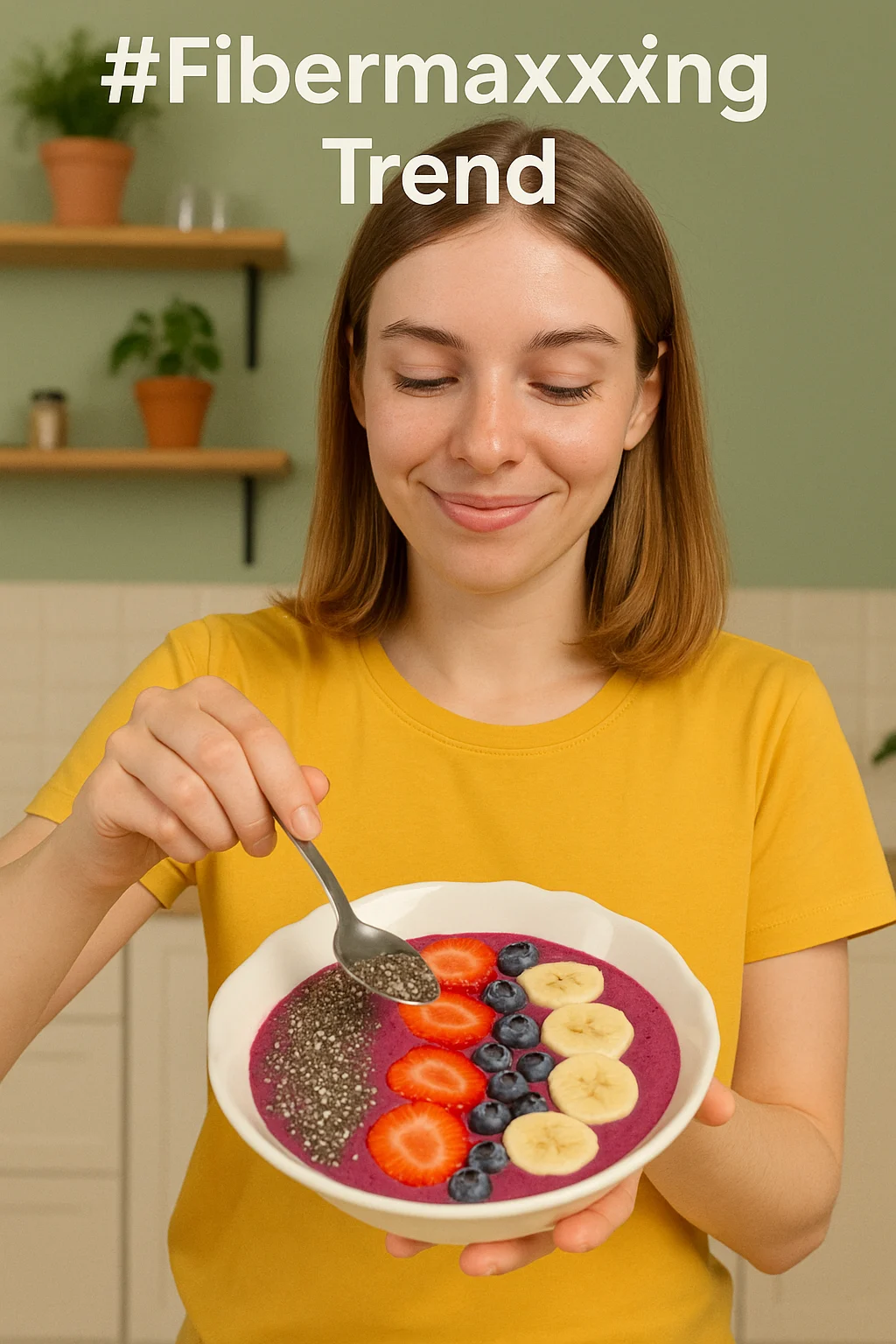
Social media loves catchy health hacks — first it was “proffee” (protein coffee), then “greens powders.” Now, the newest buzzword is fibermaxxing. On TikTok alone, videos with #fibermaxxing are getting millions of views.
But what exactly does it mean? In simple words, fibermaxxing is about intentionally eating more fiber-rich foods daily. The idea is that fiber helps you stay full longer, reduces cravings, improves digestion, and even supports weight loss naturally. Sounds perfect, right? But here’s the truth: like any diet trend, it comes with both benefits and risks.
Let’s dive deeper into how you can make fibermaxxing work for you safely — without the bloating, cramps, or confusion.
What is Fibermaxxing?
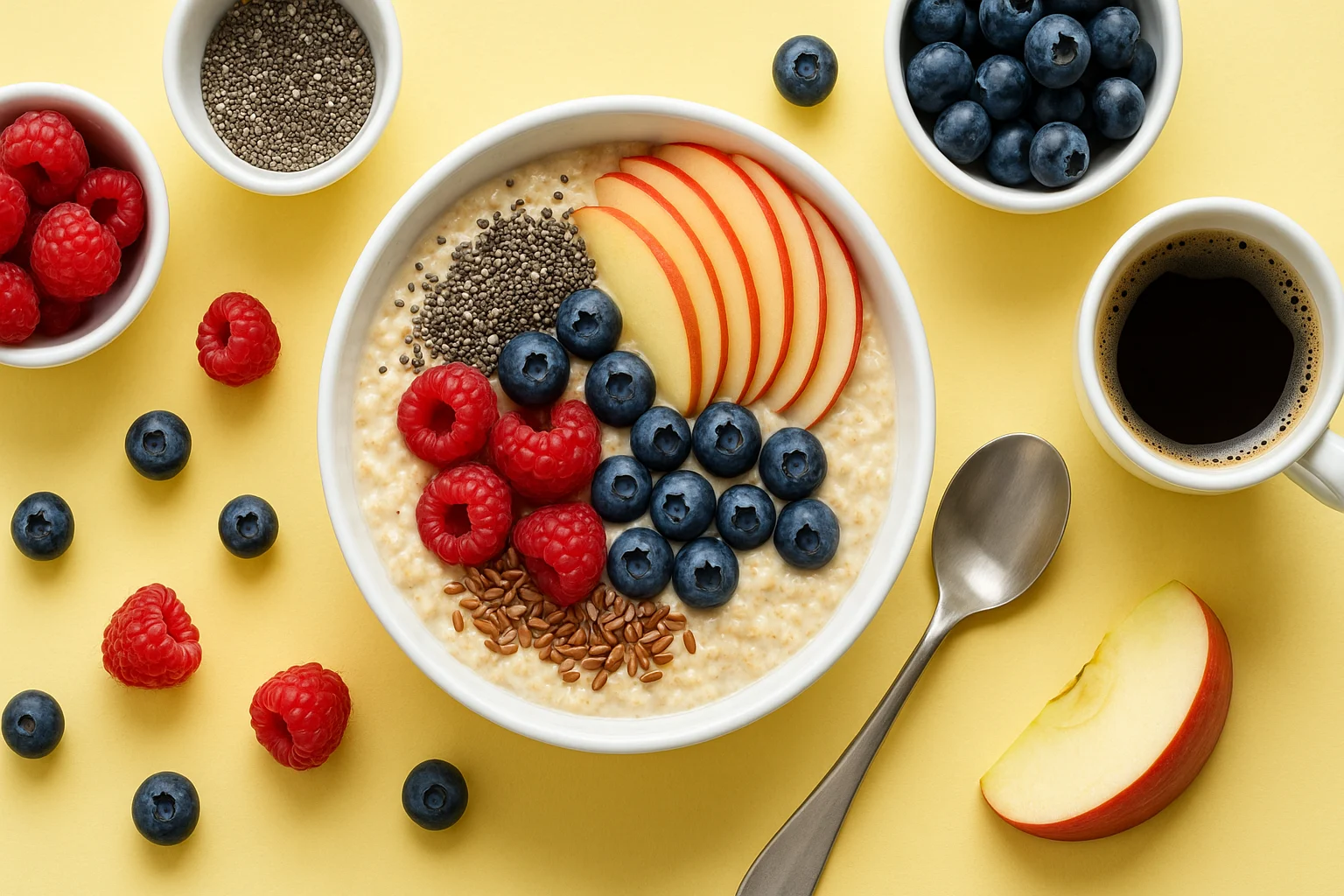
Fibermaxxing means maximizing your daily fiber intake by adding foods like oats, lentils, beans, fruits, veggies, chia seeds, and flaxseeds to your meals.
Think of it this way: fitness lovers often “protein-maxx” by adding extra chicken or whey protein to their meals. Fibermaxxing is the same idea, but with fiber.
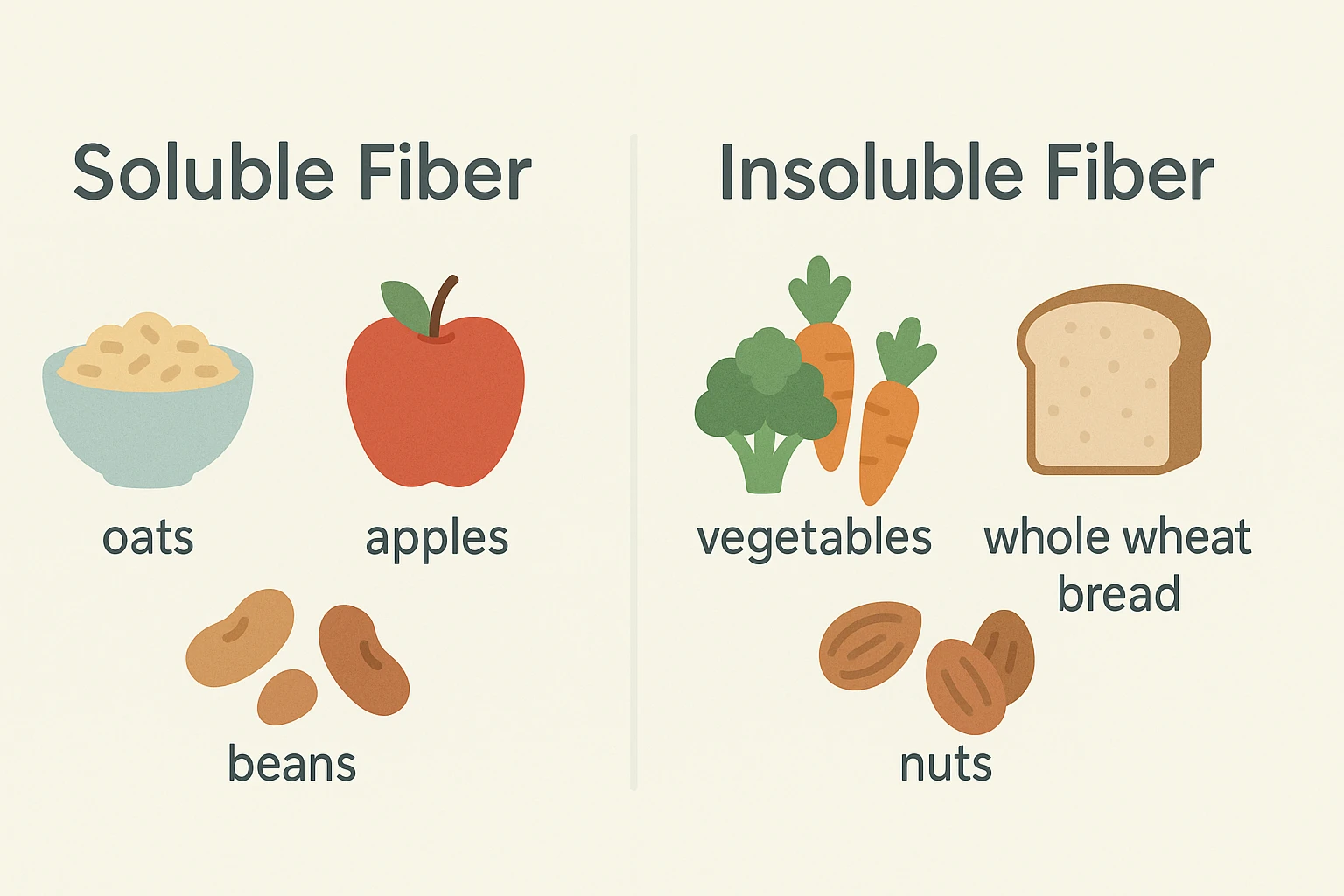
There are two types of fiber you need to know about:
Soluble fiber: Found in oats, apples, beans. It dissolves in water, slows digestion, keeps blood sugar steady, and lowers cholesterol.
Insoluble fiber: Found in vegetables, whole wheat, nuts. It adds bulk to stool and prevents constipation.
A smart fibermaxxing plan includes both types, so you feel full, energized, and regular.
Why is Fibermaxxing Trending?
The trend exploded because:
It’s simple – no calorie counting or extreme restrictions.
It’s relatable – most people already eat dal, oats, or vegetables; they just need more of it.
It works – fiber is backed by decades of research for gut health and weight control.
It fills a gap – studies show the average person eats only 15 g fiber/day, but experts recommend almost double that.
In short, fibermaxxing feels like an easy, science-approved way to be healthier — which is why it’s gone viral
Benefits of Fibermaxxing

1. Natural Weight Loss
Fiber makes meals bulky but low in calories. For example, a bowl of lentil soup + salad keeps you full longer than chips or biscuits. Over time, this prevents overeating and helps with fat loss.
2. Improved Digestion & Gut Health
Fiber feeds the “good bacteria” in your gut. A happy gut = better digestion, less bloating, improved immunity, and even better mood.
3. Steady Energy & Blood Sugar
Instead of sugar spikes and crashes, soluble fiber slows the release of glucose. This means fewer cravings and more consistent energy throughout the day.
4. Heart Health Support
High-fiber diets lower LDL (“bad”) cholesterol and support overall heart health. Psyllium husk, in particular, has proven cholesterol-lowering benefits.
The Dark Side: Can You Overdo Fiber?
Yes — and this is where many TikTokers get it wrong.
Eating 60–70 g fiber in a day can cause:
Gas & bloating
Stomach cramps
Constipation (if you don’t drink enough water)
Reduced absorption of minerals like iron and calcium
The recommended intake is:
Women: ~25 g/day
Men: ~38 g/day
So, more fiber isn’t always better. The trick is to increase slowly and balance it with water, protein, and fats.
How to Fibermaxx Safely
Jumping into fibermaxxing without a plan can backfire. Many people get excited by TikTok videos and suddenly go from eating very little fiber to stuffing their meals with oats, beans, and raw salads. The result? Gas, bloating, and stomach cramps. To make fibermaxxing work for you, here are the safest, most practical ways:
1. Start Small and Slow
Never jump from 10 grams of fiber a day to 40 grams overnight. Your gut bacteria need time to adapt. Instead, add about 5 grams extra per week. For example, if you usually eat two rotis, make one roti multigrain this week. Next week, add a fruit snack. This way your body adjusts comfortably.
2. Stay Hydrated
Fiber works like a sponge — it soaks up water to create soft, bulky stools that are easy to pass. But without water, it turns your gut into a traffic jam. Aim for 8–10 glasses of water daily, and more if you’re eating dry fiber sources like psyllium husk.
3. Mix Different Fiber Sources
There are two types of fiber — soluble (oats, apples, beans) and insoluble (whole grains, leafy vegetables). Both are important. Soluble fiber slows digestion and keeps blood sugar stable, while insoluble fiber prevents constipation. For best results, combine them in meals — for example, oats with berries at breakfast or dal with roti and sabzi at lunch.
4. Cook Your Vegetables
Raw salads look great on Instagram, but for beginners they can be hard to digest. Lightly cooking vegetables makes fiber gentler on your stomach. Try sautéed bhindi, boiled broccoli, or lauki curry instead of only raw carrots and cucumbers. Over time, you can add more raw veggies once your gut adjusts.
5. Balance Your Plate
Fiber is powerful, but it isn’t enough by itself. A healthy meal should also include protein (dal, paneer, eggs, tofu) and healthy fats (nuts, seeds, olive oil, mustard oil). This balance ensures you get satiety, energy, and muscle support along with digestive health.
Practical Fibermaxxing Meal Ideas
Not sure how to include more fiber in your day? Here’s a simple full-day meal plan that’s both Indian-friendly and trending:
Breakfast: Overnight oats with chia seeds, flaxseeds, and fresh berries. (Tip: Top with almonds for crunch.)
Lunch: Masoor dal with two whole wheat rotis and a cucumber-tomato salad.
Snack: Apple slices with a spoonful of peanut butter or a handful of roasted chickpeas.
Dinner: Quinoa salad mixed with vegetables like broccoli, carrots, and spinach, served with a bowl of curd.
👉 Tip for your blog: This section is perfect for placing an AdSense in-article ad or even a product card for oats, chia seeds, or blenders.
Indian High-Fiber Foods You Can Add Easily
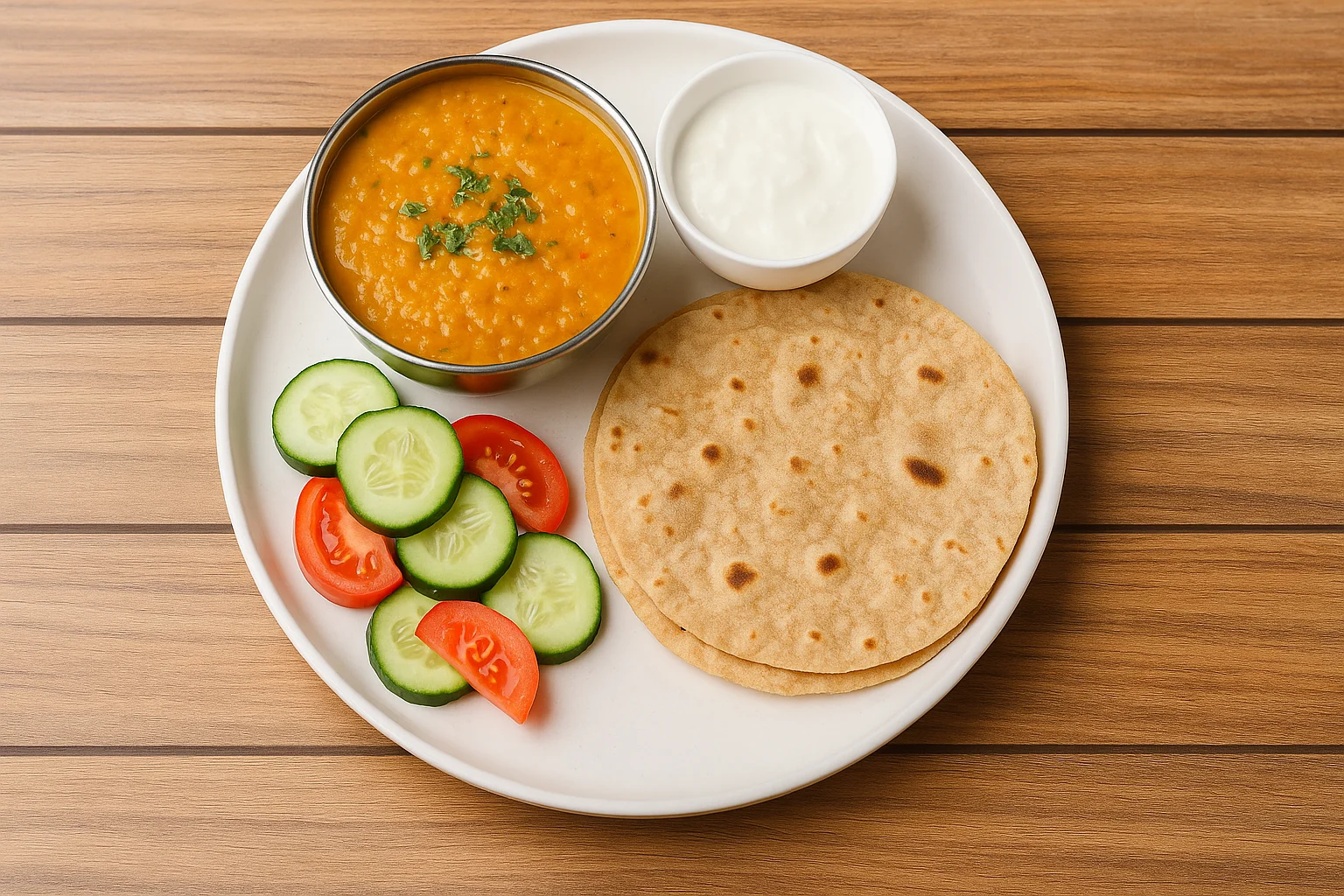
You don’t need fancy superfoods from abroad to fibermaxx. Indian kitchens are full of natural, affordable, and fiber-rich options:
Grains: Whole wheat roti, multigrain atta, barley (jau), bajra, quinoa, rolled oats.
Pulses & Legumes: Moong dal, masoor dal, rajma, chole, black chana — all excellent daily staples.
Vegetables: Bhindi (ladyfinger), lauki (bottle gourd), broccoli, spinach, carrots, cabbage.
Fruits: Guava (one of the highest fiber fruits), papaya, pear, apple, banana, berries.
Seeds & Nuts: Chia seeds, flaxseeds, pumpkin seeds, almonds, walnuts.
👉 Add these foods into meals you already eat. For example, sprinkle flax on your curd, replace white rice with barley once a week, or snack on roasted chana instead of biscuits.
Common Mistakes People Make (and Easy Fixes)
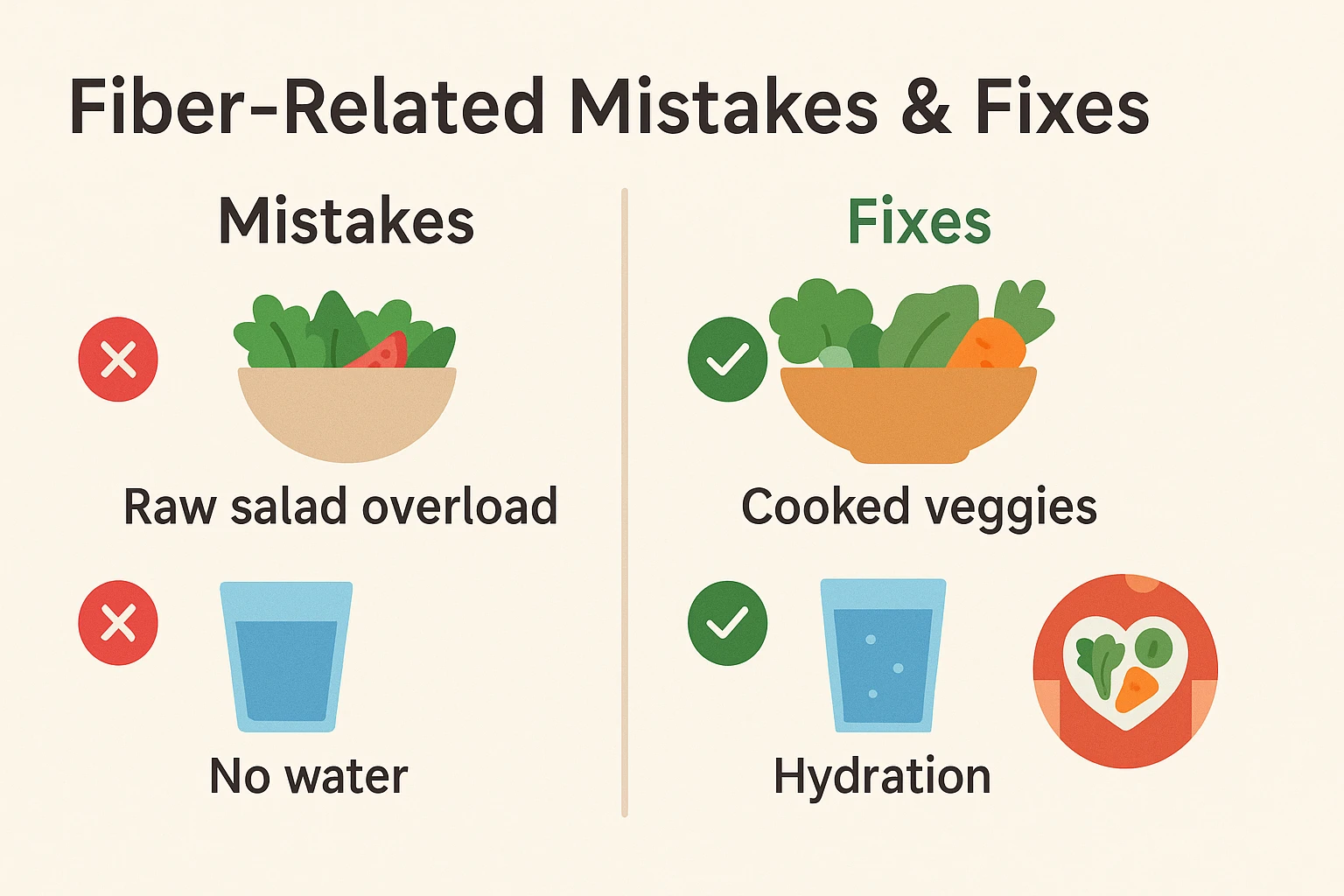
Even though fibermaxxing is simple, beginners often make mistakes that lead to discomfort. Here’s what to avoid:
❌ Eating only raw salads
Many think “fiber” = raw veggies. But raw vegetables can be harsh on the stomach.
✅ Fix: Start with cooked veggies like lauki curry, stir-fried broccoli, or palak dal. Gradually add more raw items later.
❌ Not drinking enough water
Fiber without water is like dry pasta without sauce — it clogs up instead of flowing smoothly.
✅ Fix: Carry a bottle, sip throughout the day, and drink one glass of water before each meal.
❌ Ignoring balance
Some people load on fiber but forget protein or fats, leaving meals incomplete.
✅ Fix: Add dal or eggs with your roti, or pair fiber snacks with nuts. Balance gives long-lasting energy.
❌ Increasing too fast
Going from 0 to 100 is a recipe for gas and cramps.
✅ Fix: Add fiber slowly — a fruit this week, extra sabzi next week, multigrain roti the week after.
Recommended Product Picks
Organic India Whole Husk Psyllium – 100 Gms
Why it’s great: This is organic, dual-action fiber (soluble + insoluble), offering gentle bulk-forming support to smooth digestion and regularity—even for sensitive tummies.
Top benefits:
Helps relieve both constipation and diarrhea
Supports gut health and lowers LDL (“bad”) cholesterol
Promotes satiety, which aids weight management.
Quick tip: Start with just ½–1 teaspoon in a glass of water or smoothie, drink it immediately, and always pair with water to avoid choking or blockage.
- click here to buy
Farmley Chia Seeds 200g
Why it’s great: These chia seeds deliver a powerful blend of high fiber, protein, omega‑3s, and antioxidants—a perfect match for fibermaxxing smoothies, parfaits, or yogurt bowls.
Top benefits:
Helps control appetite and supports weight loss
Enhances hydration, supports digestion, and may aid blood pressure control.
Quick tip: Soak 1–2 tablespoons in water or milk for 10 minutes before use. They expand, forming a gel that helps keep you full and hydrated.
- Click here to buy
Frequently Asked Questions
Generally, yes. Increasing fiber intake is safe and even beneficial for most people because it improves digestion, supports weight control, and lowers cholesterol. However, if you have conditions like IBS (Irritable Bowel Syndrome), Crohn’s disease, or chronic bloating, suddenly eating too much fiber may worsen symptoms. In that case, you should increase fiber gradually and consult a doctor before making major dietary changes. For healthy individuals, fibermaxxing is safe as long as you do it step by step and stay hydrated.
Nutrition experts recommend around 25 grams per day for women and 38 grams per day for men. But here’s the catch — most people get less than half of that. So if you’re eating only 10–12 grams today, don’t jump straight to 30 grams tomorrow. Instead, increase by 3–5 grams each week until you reach your goal. This gives your digestive system time to adjust. A good practical target is about 25–30 grams daily, which you can easily get from a mix of dal, roti, fruits, veggies, and seeds.
Yes, and that’s one reason it’s trending. Fiber adds bulk to food without adding extra calories. When your meals are rich in fiber, you feel fuller for longer, which reduces your tendency to snack on chips, biscuits, or sugary drinks. For example, eating two rotis with sabzi and dal will keep you satisfied longer than eating just white bread or noodles. Over weeks and months, this natural appetite control supports weight loss without extreme dieting. Just remember, fiber alone won’t burn fat — you still need balance with protein, healthy fats, and some physical activity.
There’s no single “best” time, but the smartest way is to spread your fiber across the day. If you try to eat all your fiber in one meal — like a giant raw salad — you’ll likely feel bloated. Instead:
Morning: add oats or fruit with chia seeds.
Lunch: eat dal, beans, or multigrain roti.
Snack: roasted chana or fruit.
Dinner: light veggies with quinoa or brown rice.
This way, your gut processes fiber smoothly, your energy stays stable, and you avoid stomach discomfort.
You can, but supplements should be your backup, not your main source. Psyllium husk (Isabgol), for example, is great for constipation relief and lowering cholesterol, and fiber gummies can help on busy days. But real food sources (dal, veggies, fruits, whole grains) come with extra nutrients like vitamins, minerals, and antioxidants that supplements don’t provide. Use supplements only if your diet falls short, and always pair them with enough water. If you’re aiming for long-term health, rely mostly on natural, fiber-rich foods.
