
Why Everyone’s Talking About the 21-21-21 Rule
Every year a new fitness trend goes viral, but few capture attention like the 21-21-21 rule for weight loss. From social media buzz to celebrity endorsements, this simple three-phase method is becoming a go-to choice for beginners who want structured yet doable guidance.

The rule gained massive popularity when Kapil Sharma’s fitness coach Yogesh Bhateja revealed how Kapil followed this 63-day formula to get back in shape. The best part? You don’t need fancy equipment or a restrictive crash diet—just discipline, consistency, and small changes.
What Is the 21-21-21 Rule?
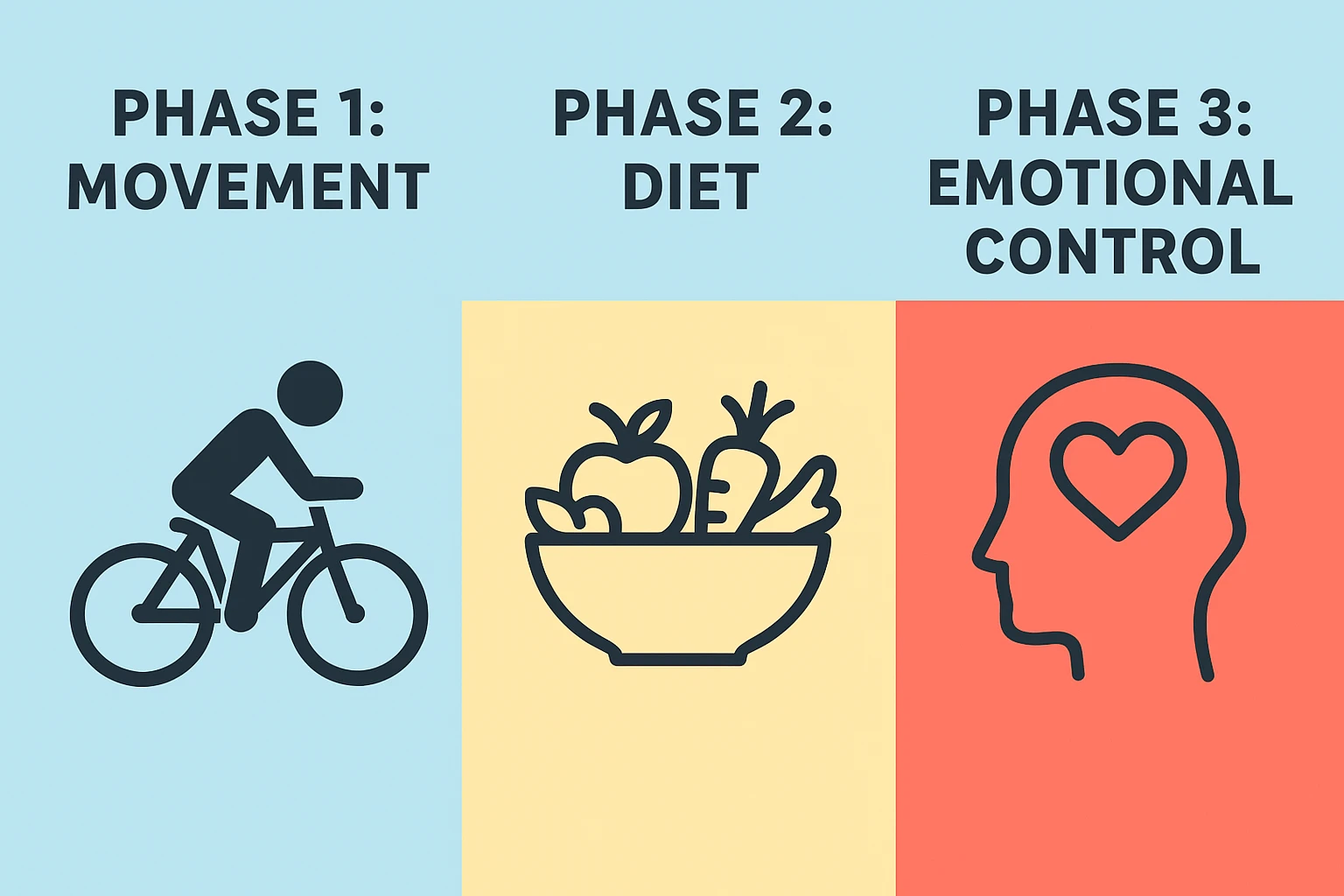
The 21-21-21 rule weight loss plan is a simple yet powerful approach that divides your health journey into three easy phases, each lasting 21 days. Instead of overwhelming you with strict diets or hardcore workouts, it focuses on small, consistent habits that build up over 63 days.
Why 21 days? Psychology studies suggest that it takes about 21 days to form or break a habit. This rule uses that principle: every three weeks, you add a new habit layer, making lifestyle changes sustainable rather than temporary.
Phase 1: Movement (Days 1–21)

The first 21 days are about getting your body moving daily. You don’t need the gym or fancy equipment—just commit to 30–45 minutes of activity every day.
✅ Examples of movement:
A brisk 30-minute walk in the park
Evening treadmill walk after dinner
Yoga or stretching session at home
Simple bodyweight workouts (squats, push-ups, planks)
👉 The goal is consistency, not intensity. Even light activity builds momentum, improves metabolism, and prepares your body for the next phase.
Phase 2: Diet Changes (Days 22–42)
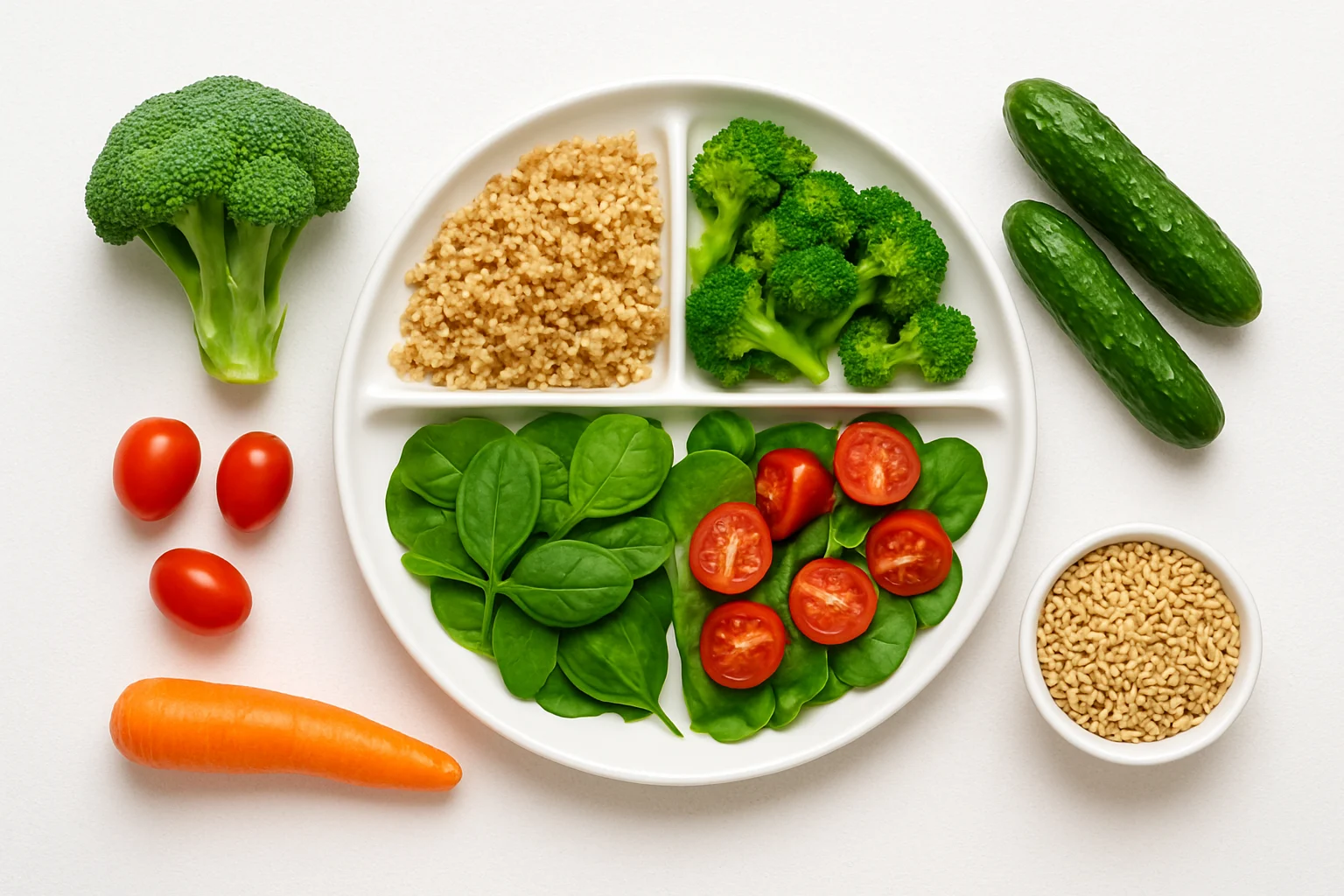
Once your body is used to regular movement, the next step is to clean up your diet. Instead of crash diets or starving, you make mindful swaps that are easy to stick with.
✅ Key changes include:
Practicing portion control (use smaller plates or portion bowls)
Adding more vegetables, fruits, and whole grains
Reducing fried foods, packaged snacks, and sugary drinks
Eating at consistent times to regulate digestion
👉 Think of it as upgrading your fuel. Just like a car runs better on clean fuel, your body works better when you eat fresh, balanced meals.
Phase 3: Emotional Dependency (Days 43–63)

The last 21 days are about breaking free from food addictions and emotional eating patterns. Many people fail in diets not because they don’t know what to eat, but because of cravings, stress-eating, or reliance on sugar and caffeine.
✅ Common habits to break:
Late-night binge eating
Excessive sugar or caffeine intake
Emotional snacking when stressed or bored
Dependency on alcohol or junk food for comfort
👉 Here, you train your mind just like you trained your body earlier. Techniques like journaling, meditation, drinking water before cravings, or substituting herbal teas for soda make it easier to stay in control.
Why the 21-21-21 Rule Works
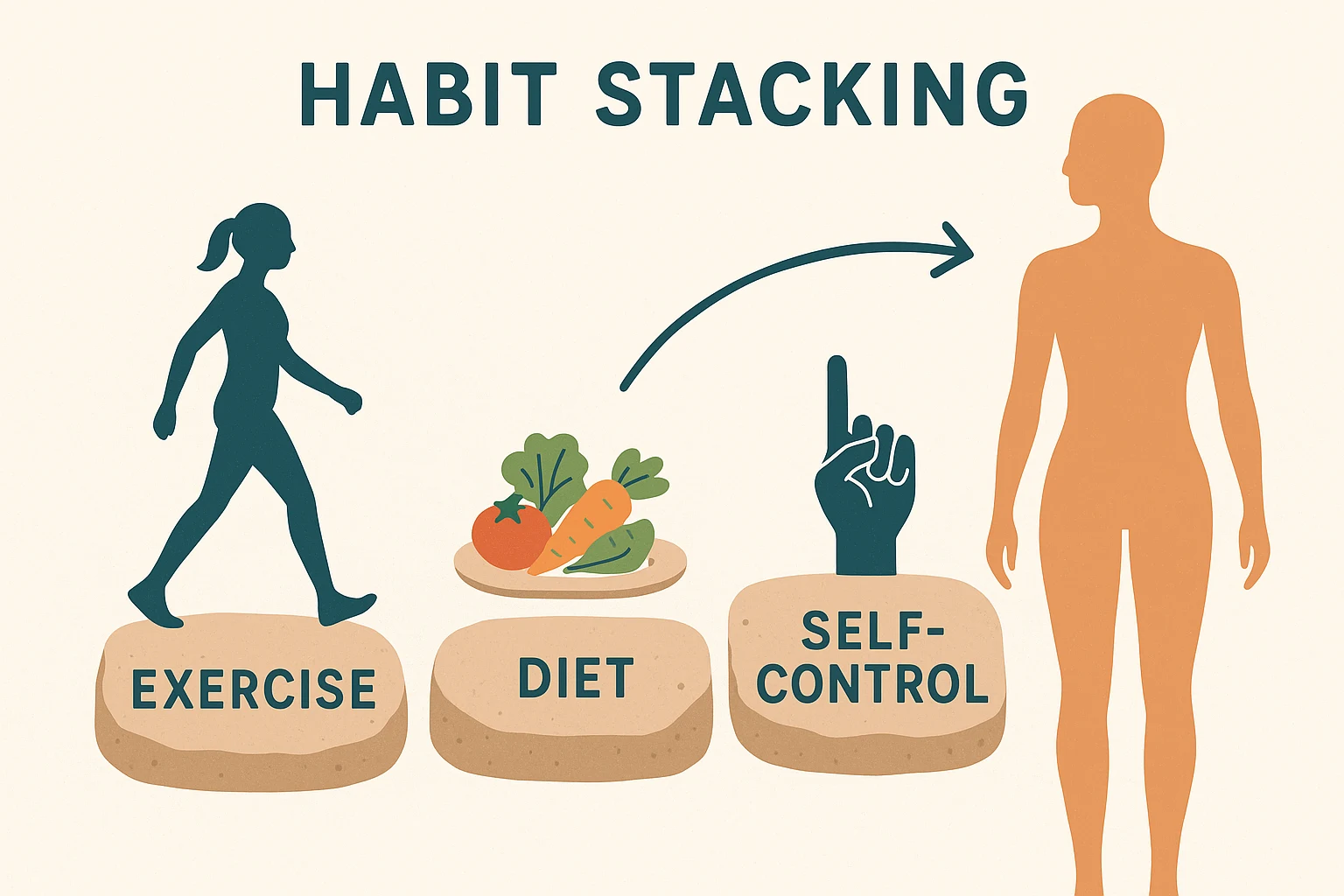
Step by step: You focus on one thing at a time, avoiding burnout.
Habit building: By the end of 63 days, exercise, mindful eating, and better self-control become second nature.
Balanced approach: Unlike fad diets, this covers physical, nutritional, and emotional health together.
Beginner-friendly: Anyone—from a busy mom to a working professional—can start without extreme changes.
Benefits of the 21-21-21 Rule

1. Steady Weight Loss Without Crash Dieting
Crash diets promise quick results but often lead to weakness and rebound weight gain. The 21-21-21 rule focuses on small lifestyle changes—regular exercise, mindful eating, and breaking cravings. This approach ensures your weight drops gradually while your energy and health improve.
2. Improved Energy Levels and Digestion
In Phase 1, daily movement boosts blood circulation and oxygen supply. In Phase 2, adding whole foods and cutting junk gives your body cleaner fuel. Together, these changes improve digestion, metabolism, and stamina, so you feel energetic throughout the day.
3. Better Sleep Patterns
Regular exercise and reduced junk food naturally improve sleep quality. Many people report falling asleep faster and waking up refreshed during this plan. Since emotional eating and caffeine reduction are tackled in Phase 3, you’re less likely to suffer from late-night restlessness.
4. Reduced Cravings and Emotional Eating
By the time you reach Phase 3, your body adjusts to healthier habits, making it easier to control cravings. Replacing cola with herbal tea or swapping chips for roasted chana may sound small, but these steps reduce stress eating and build long-term control.
5. Stronger Self-Discipline
The biggest benefit isn’t just weight loss—it’s mental strength. Sticking with this plan for 63 days proves to you that consistency is possible. Once you learn to control food cravings and stick to daily workouts, it’s easier to apply that discipline in other areas of life.
Common Mistakes Beginners Make (and How to Fix Them)
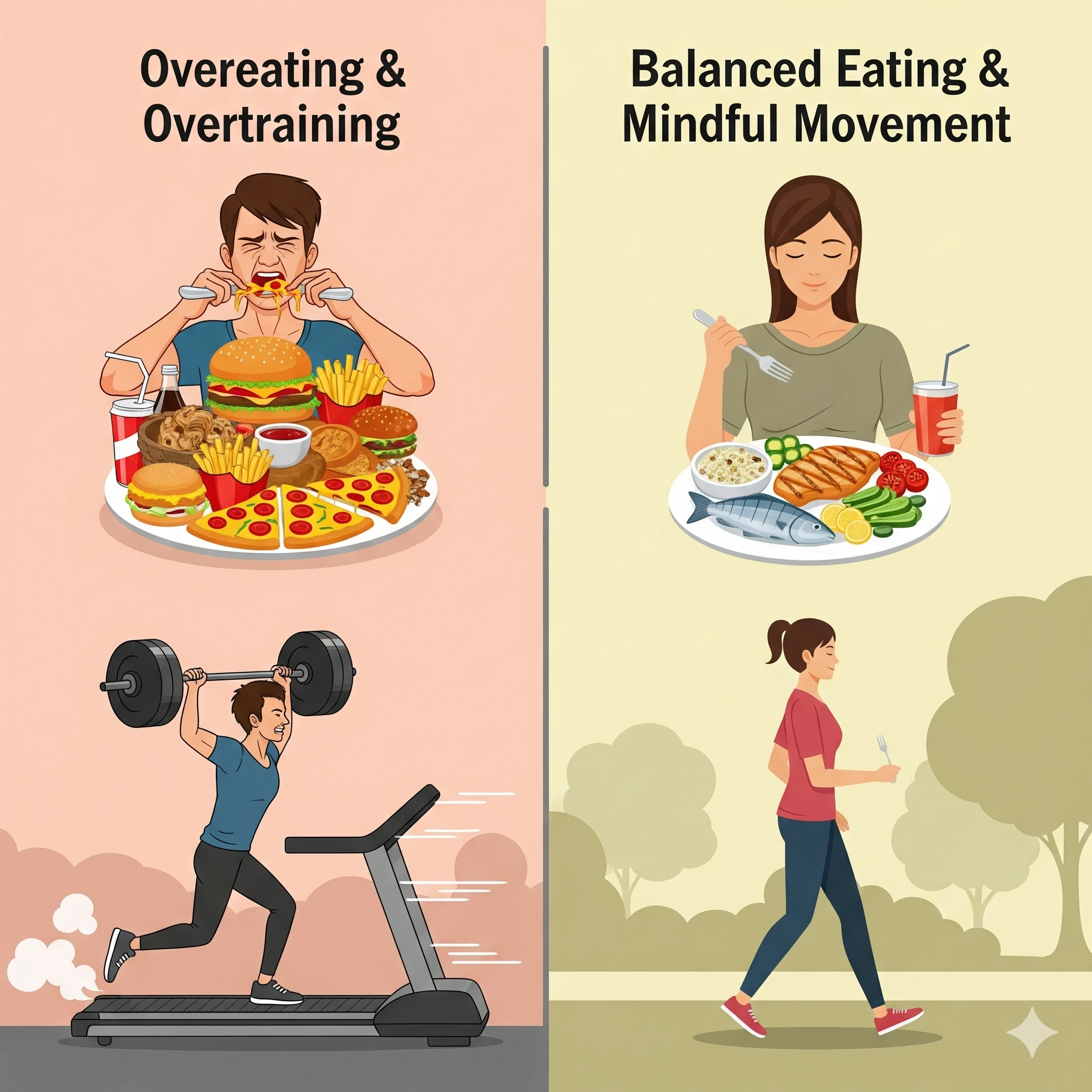
❌ Doing Intense Workouts on Day 1 → ✅ Start Slow, Increase Gradually
Many beginners get excited and push too hard on Day 1, leading to sore muscles or burnout. Instead, begin with low-intensity walks, yoga, or light cardio, then slowly increase duration and intensity over weeks.
❌ Skipping Meals in the Diet Phase → ✅ Focus on Balanced Nutrition
Some think “eating less” is the same as eating healthy. But skipping meals weakens metabolism and triggers overeating later. Instead, eat balanced meals with carbs, protein, fiber, and healthy fats—just in controlled portions.
❌ Expecting Quick Results → ✅ Think Lifestyle, Not Crash Plan
Weight loss takes time, and the 21-21-21 rule is about building habits, not shortcuts. Instead of weighing yourself daily, track progress weekly or focus on non-scale victories like better energy, looser clothes, or improved stamina.
❌ Ignoring Sleep → ✅ Recovery Is as Important as Workouts
Beginners often focus only on diet and exercise but ignore sleep. Lack of rest increases cravings and slows recovery. Aim for 7–8 hours of quality sleep—your body needs downtime to repair and burn fat effectively.
✨ By avoiding these mistakes, beginners can make the most of the 21-21-21 rule and actually enjoy the journey rather than feel stressed.